
 English
 русский
 Español
 عربى
عربى

No 1255, Xingye Road, Tianzihu Modern Industrial Park, Anji County, Zhejiang Province, China
Content
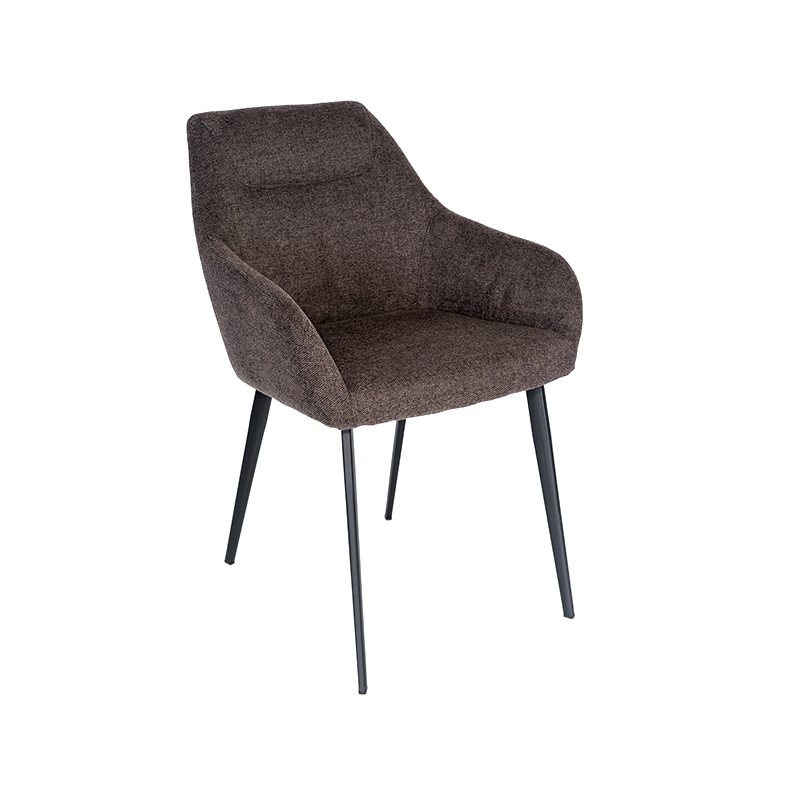
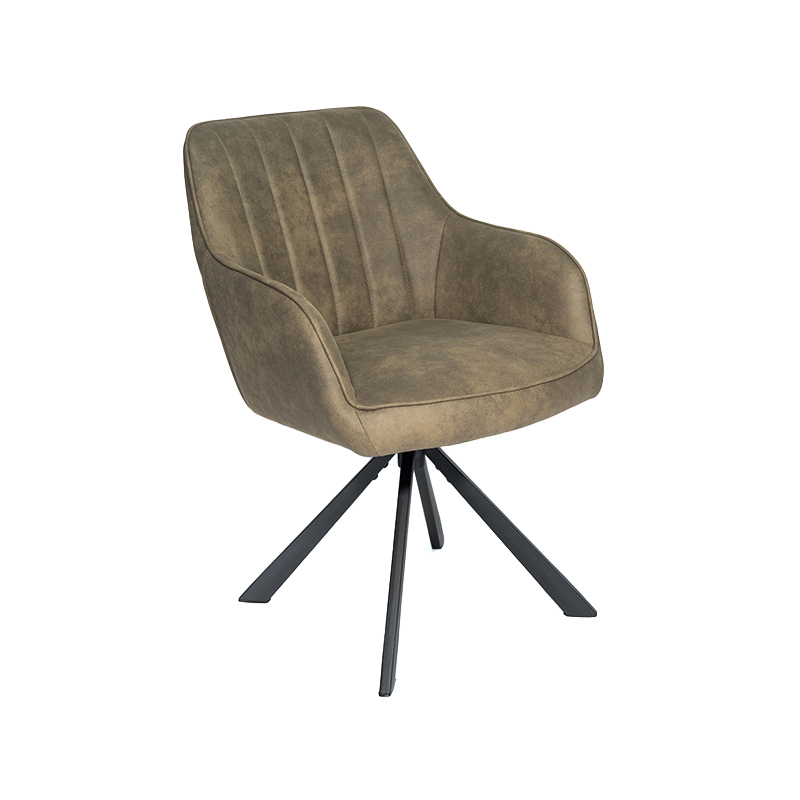
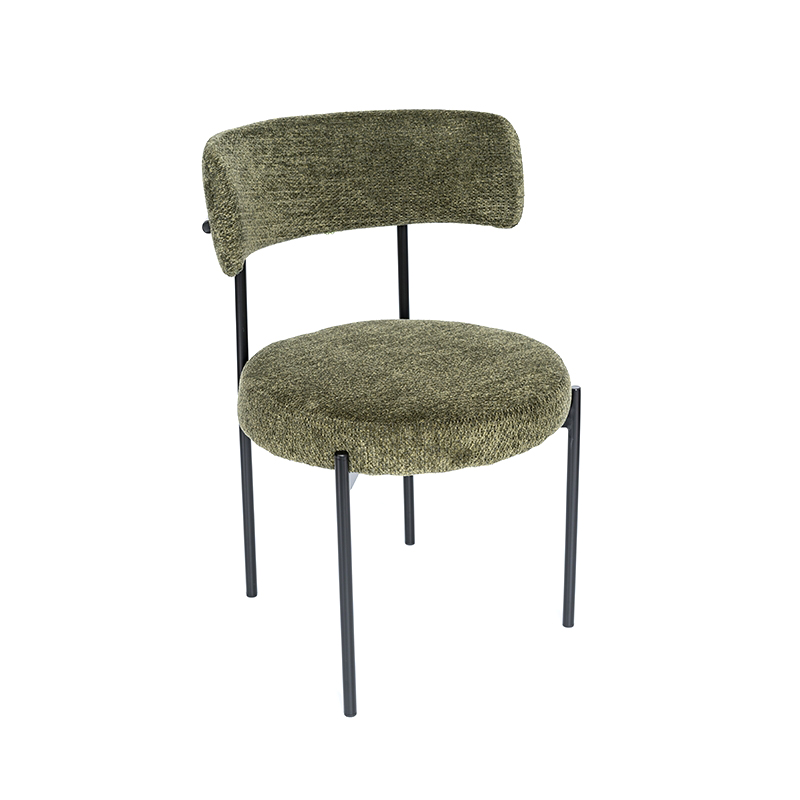
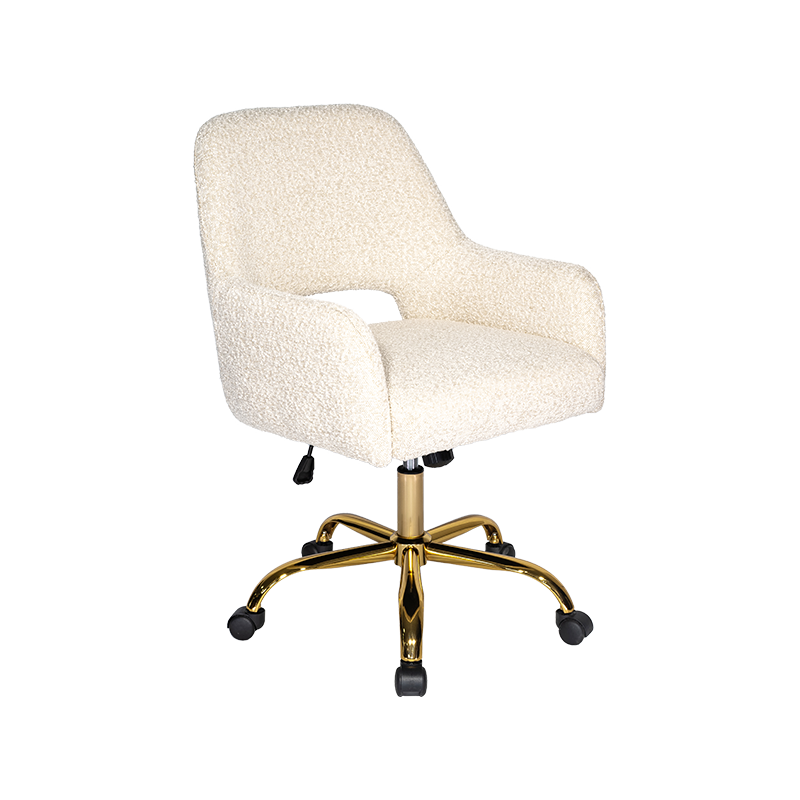
A fabric accent chair is much more than a supplementary seat; it is a vital tool for interior designers to introduce texture, color, and personality into a room. To address a common concern: accent chairs do not need to match your couch. In modern interior design, a deliberate contrast between your sofa and your fabric accent chair creates a more dynamic and curated living space. This guide explores the technical side of upholstery yardage, material selection, and the art of professional coordination.
If you are customizing a fabric accent chair, the first step is accurate yardage calculation. Standard upholstery fabric comes in 54-inch widths. The total amount required is influenced by the chair's size and whether the fabric features a pattern that requires alignment (pattern matching).
| Chair Prototype | Solid Fabric Needs | Patterned Fabric Needs |
| Armless Slipper Chair | 3.5 - 4.5 Yards | 5.0 - 5.5 Yards |
| Standard Club Chair | 6.5 - 7.5 Yards | 8.5 - 9.5 Yards |
| Large Wingback Chair | 7.0 - 9.0 Yards | 9.5 - 11.5 Yards |
| Bergère Chair (Exposed Frame) | 2.5 - 3.5 Yards | 4.0 - 5.0 Yards |
Should an accent chair match the couch? While matching creates a traditional, formal look, it often lacks visual excitement. Coordinating allows you to mix styles while maintaining harmony. A fabric accent chair can "speak" to the sofa through a shared accent color found in the pattern, even if the primary colors are different.
Consider the "Rule of Contrast." If your sofa is bulky and rests directly on the floor, select an accent chair with tall, tapered legs to create light and space. If your sofa is a smooth leather, choose a highly textured fabric accent chair like bouclé or a heavy weave to provide a tactile shift.
The longevity of your fabric accent chair depends on the "Double Rub" count. This industry standard measures how much friction a fabric can withstand before wearing out.
Performance fabrics like solution-dyed polyester are treated to repel spills and resist UV fading, making them ideal for chairs placed near large windows or in homes with pets and children.
A fabric accent chair must be proportional to the furniture surrounding it. A tiny slipper chair will look lost next to a massive deep-seated sectional. Conversely, an oversized wingback chair can overwhelm a small apartment sofa.
When placing your chair, ensure there is at least 18 inches of space between the chair and the coffee table, and 3 feet of "walkway" space around it. This ensures that the fabric accent chair functions as a comfortable seating option rather than a physical obstacle.
Using patterns on a fabric accent chair is an excellent way to mask wear and tear. Small, busy patterns are better at hiding pet hair and minor stains than solid light colors. Large-scale patterns, like oversized florals or wide stripes, work best on chairs with flat surfaces, such as Parsons chairs, where the pattern isn't broken up by too many seams or tufting.
One often overlooked benefit of a fabric accent chair is the ability to change its look seasonally. Using high-quality custom slipcovers allows you to switch from a heavy velvet in the winter to a breathable white linen in the summer. This not only extends the life of the original upholstery but also allows you to refresh your interior design without the cost of buying new furniture.

Products
Contact info.
No 1255, Xingye Road, Tianzihu Modern Industrial Park, Anji County, Zhejiang Province, China
+86-13587919519
sales@bftfurniture.com
