
 English
 русский
 Español
 عربى
عربى

No 1255, Xingye Road, Tianzihu Modern Industrial Park, Anji County, Zhejiang Province, China
Content
Furniture brands rarely lose deals on price alone — they lose them when a chair looks like everyone else's chair. A custom swivel lounge chair program gives OEM partners a way to control shape, material, and mechanism together, so the finished seating actually carries a brand's identity into a hotel lobby, an office floor, or a living room.
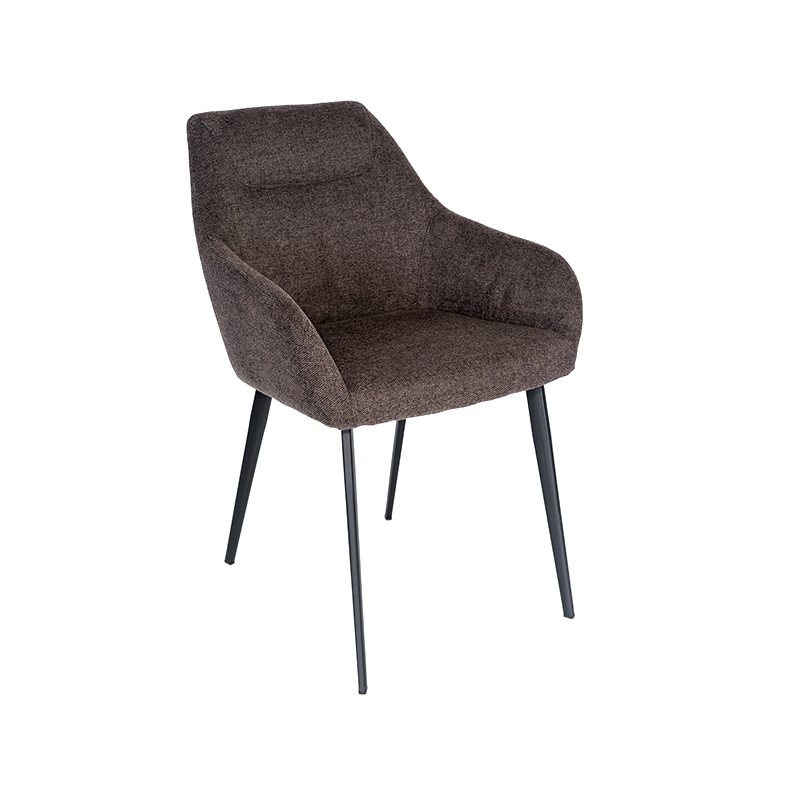
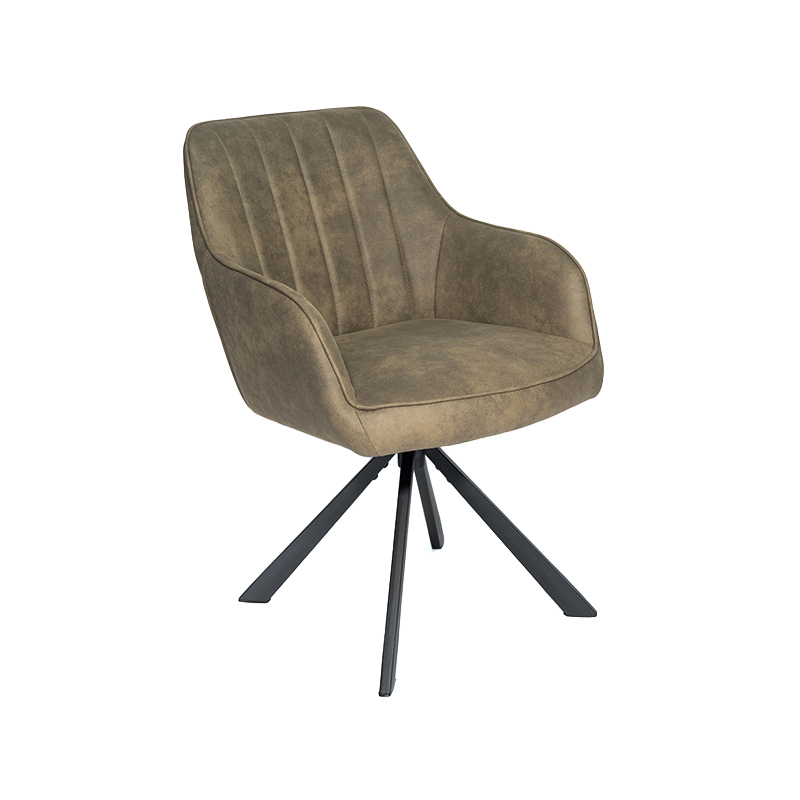
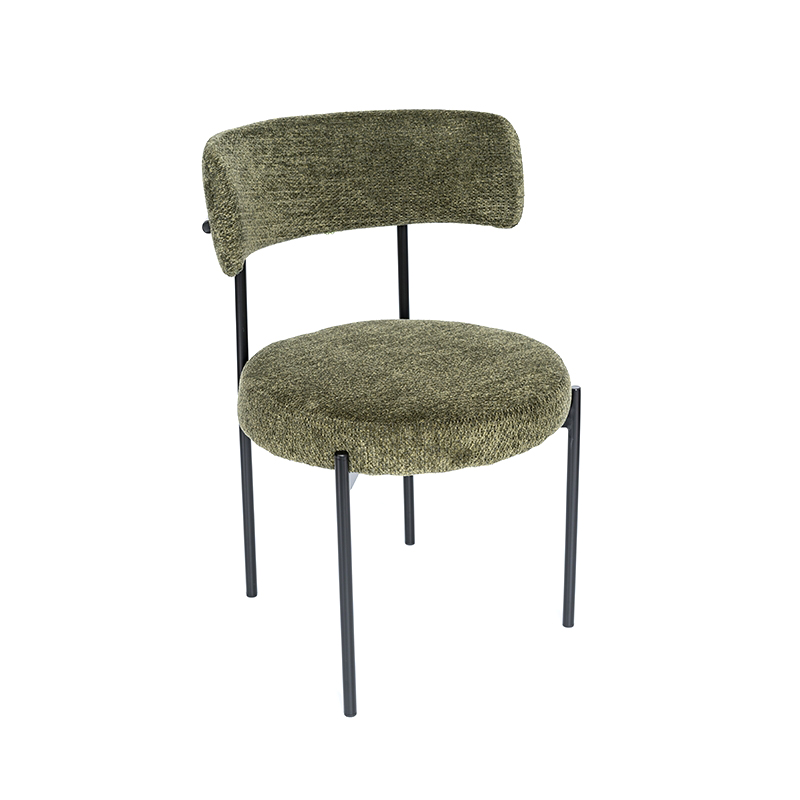
Standard catalog seating rarely satisfies a brand with its own interior language. A custom swivel lounge chair program opens up shape, upholstery, color, base design, and functional features as adjustable variables rather than fixed specifications, which means a hospitality brand chasing a premium finish and a home office brand chasing ergonomic modern styling can both start from the same manufacturing platform.
OEM furniture projects rarely serve one environment, and a custom swivel lounge chair needs to answer different questions depending on where it lands.
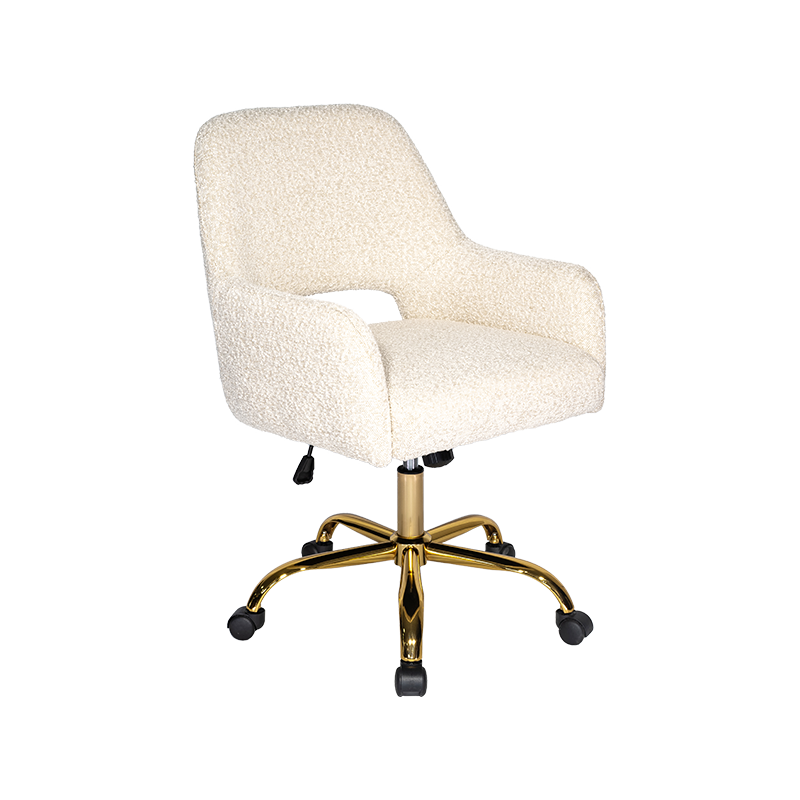
Living rooms and reading corners call for comfortable cushioning and space-saving rotation, while office settings shift the priority toward ergonomic support, adjustable height, and long-term comfort during full workdays.
Hotels, resorts, and lounges need a consistent style across dozens or hundreds of units, built from premium, durable materials that hold up to daily commercial use without losing their finish.
Material selection determines a large share of how a finished chair looks, feels, and holds up over years of use. Fabric upholstery offers a breathable surface and wide color range suited to home and office lounge areas. PU leather gives an easier-to-maintain, premium-looking finish at a lower cost point, common in hotels and commercial interiors. Genuine leather sits at the top of the range, delivering a luxury appearance and strong durability for premium collections.
Rotation is the defining feature of a swivel lounge chair, and OEM customization extends to rotation angle, swivel base design, lift mechanism, and stability requirements. Functional variants such as 360-degree rotation, height adjustment, reclining, or a fixed base let a single design platform serve very different user needs without a full redesign each time.
A structured production process keeps design intent intact from first sketch through final delivery of a custom swivel lounge chair order.
Brand requirements, target environments, and design direction are agreed before any tooling begins.
Upholstery, base design, and mechanism options are finalized against budget and use case.
A working prototype confirms comfort, structure, and finish before mass production is scheduled.
Frame strength, swivel base performance, and upholstery quality are checked across the full order.
Consistency across a bulk order depends on inspecting three areas closely: frame structure for strength and load capacity, swivel base performance for smooth and durable rotation, and upholstery quality for stitching and finish consistency. Strict inspection at each stage keeps a five-hundred-unit hotel order as reliable as a five-unit sample run.
| Stage | Process |
| 1 | Design discussion and requirement confirmation |
| 2 | Material and function selection |
| 3 | Prototype development and sample approval |
| 4 | Mass production and quality inspection |
| 5 | Delivery and after-sales support |
A dependable partner for a custom swivel lounge chair program should demonstrate real manufacturing capacity, genuine customization ability across design, material, and function, and direct experience across residential, commercial, and export furniture projects rather than one narrow niche.
Shape, structure, upholstery material, color and finish, base design, and functional features such as rotation angle, height adjustment, and reclining can all be adjusted for an OEM order.
PU leather is common in hotels and commercial spaces for its durability and easy maintenance, while genuine leather suits premium collections aiming for a higher-end position.
Timelines vary by order size and customization complexity, but most projects move through design confirmation, prototyping, sample approval, and mass production in stages, with quality inspection at each step.
Yes. OEM manufacturers commonly support prototype development and smaller initial runs before scaling to bulk production, allowing brands of different sizes to launch customized seating without building their own factory.

Products
Contact info.
No 1255, Xingye Road, Tianzihu Modern Industrial Park, Anji County, Zhejiang Province, China
+86-13587919519
sales@bftfurniture.com
