
 English
 русский
 Español
 عربى
عربى

No 1255, Xingye Road, Tianzihu Modern Industrial Park, Anji County, Zhejiang Province, China
Content
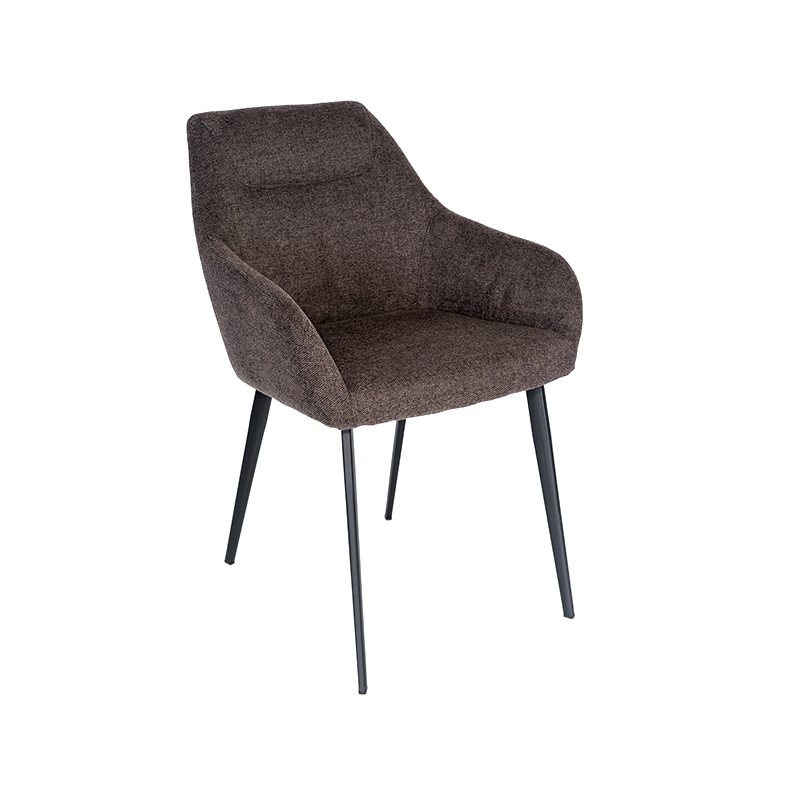
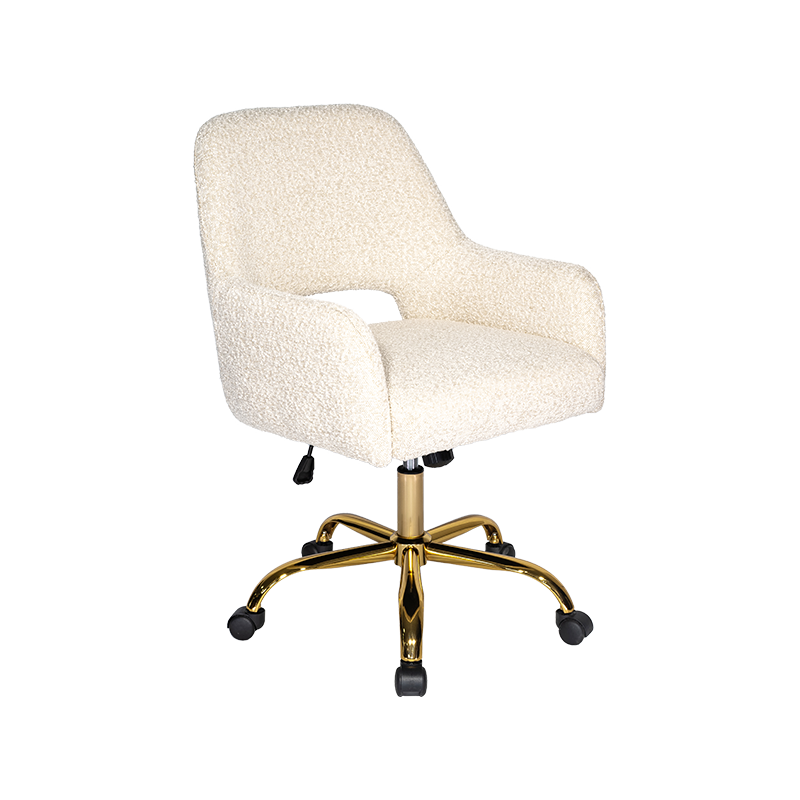
Anji Beifeite Furniture Co., Ltd., established in 2017 in the internationally renowned "China Chair Town" of Anji, operates a 60,000 square meter manufacturing facility integrating advanced automated production lines. Our technical expertise encompasses the design and large-scale manufacturing of specialized metal chairs, bar stools, and office seating, with a focus on material durability and ergonomic structural integrity. Over the past seven years, we have optimized our supply chain to meet complex industrial orders while adhering to strict quality protocols. As we look toward 2026, the light blue fabric dining chairs trend in modern minimalist homes is driven not only by visual psychology but by significant advancements in textile performance and cold-rolled steel frame engineering. For high-traffic residential environments, selecting upholstered seating with light blue hues offers a specific spectral reflectance that enhances the perception of spatial volume in compact urban layouts.
The transition toward light blue fabric dining chairs is supported by the development of high-tenacity polyester and linen-blend weaves. A primary engineering metric for these textiles is the Martindale abrasion test for dining chairs, where 2026 standards require a minimum of 40,000 to 50,000 cycles for heavy domestic use. This ensures the pilling resistance of light blue upholstery remains at a Grade 4 or higher, preventing surface degradation from friction. When analyzing light blue vs dark blue fabric for chairs, the lighter pigment demonstrates superior resistance to localized thermal absorption, which is critical for maintaining the structural elasticity of the internal polyurethane foam. Furthermore, hydrophobic treatments for fabric dining chairs are now standard, utilizing C6-based water repellents to ensure an 80+ spray rating without altering the fabric's breathability or tactile softness.
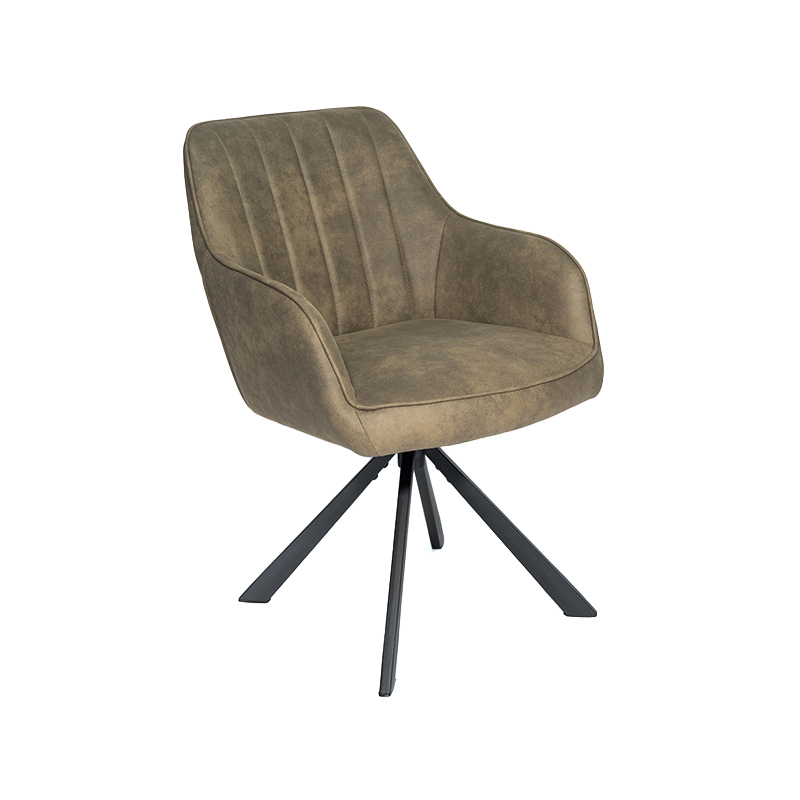
The minimalist aesthetic of a light blue fabric dining chair often necessitates a slender yet robust substructure. Our manufacturing process utilizes 1.2mm to 1.5mm wall-thickness carbon steel tubing, achieving high tensile strength for weight loads exceeding 150 kg. The powder coating process for metal dining chairs involves an electrostatic application of epoxy-polyester resin, resulting in a Ra surface finish of metal frames below 3.2 um. This precise coating prevents oxidation in high-humidity environments. For 2026 models, the swivel dining chair mechanism durability is verified through 120,000-cycle rotation tests, ensuring the pivot points maintain low-noise operation and smooth kinetic transition without mechanical fatigue in the ball-bearing assembly.
The selection of light blue is technically grounded in colorfastness to light for interior fabrics (ISO 105-B02), where our textiles achieve a Grade 5 rating or higher. This prevents UV-induced photo-degradation, which is a common failure point in south-facing dining areas. Understanding how light blue fabric impacts interior lighting involves measuring the Light Reflectance Value (LRV); typically, these fabrics occupy an LRV range of 45-60 percent, effectively diffusing natural light without the harsh glare associated with pure white surfaces. When evaluating performance fabrics for minimalist dining rooms, the integration of solution-dyed yarns ensures that the pigment is locked into the polymer matrix, allowing for cleaning light blue fabric chairs with mild solvents without the risk of dye migration or "crocking" (color transfer) onto the user's clothing.
The following table outlines the mechanical differences between the three primary upholstery options for 2026 minimalist chair designs, highlighting the technical superiority of engineered fabric blends.
| Property Metric | Standard Cotton/Polyester | Engineered 100% Polyester | High-End Performance Blend |
| Martindale Cycles | 20,000 | 45,000 | 60,000+ |
| Colorfastness (Grade) | 3.0 - 4.0 | 4.5 - 5.0 | 5.0 |
| Tensile Strength (N) | 800 | 1100 | 1350 |
| Stain Resistance (Grade) | 2.0 | 4.0 (Treated) | 5.0 (Built-in) |
| Seam Slippage (mm) | 3.5 | 2.0 | 1.5 |
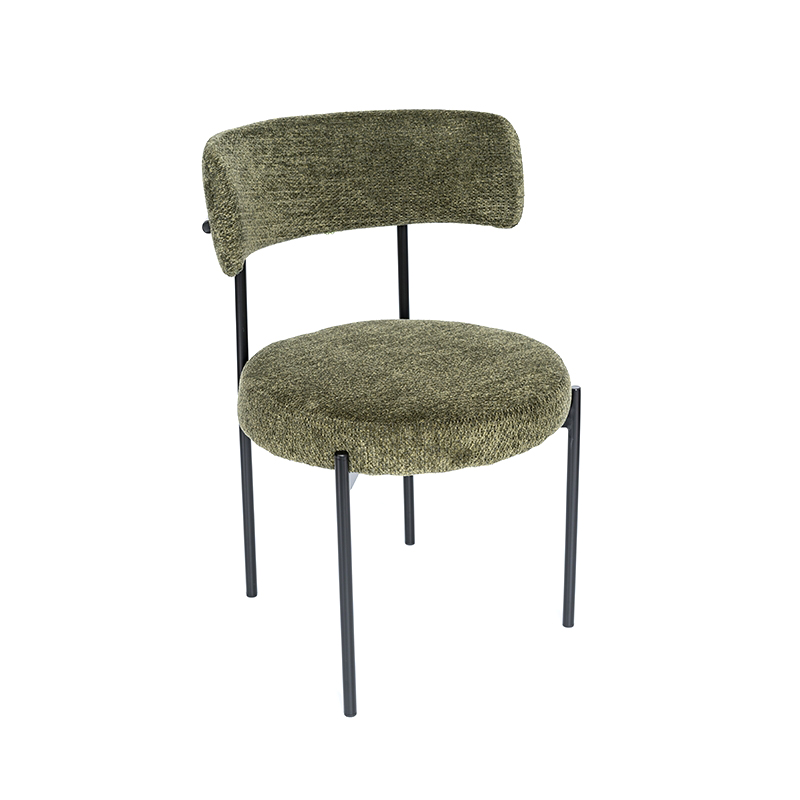
The comfort parameters of light blue fabric dining chairs are defined by the indentation load deflection (ILD) of the internal foam. Anji Beifeite utilizes high-resilience (HR) foam with a density of 30-35 kg/m3, providing a balanced compression set for upholstered dining chairs that resists "bottoming out" after prolonged use. The lumbar support angle in minimalist chairs is technically calibrated to 100-105 degrees, facilitating a neutral pelvic position and reducing intradiscal pressure during sedentary activities. By integrating ergonomic design in fabric chairs with high-precision metal fabrication, we provide a product that satisfies both the physiological requirements of the user and the aesthetic constraints of modern architecture, reinforcing our commitment to technology, development, and mutual success in the global furniture business.
Q1: What is the benefit of a steel frame over solid wood for minimalist chairs?
A1: Steel frames offer a significantly higher strength-to-weight ratio, allowing for thinner profiles (8-12mm diameters) that maintain structural integrity without the risk of joint loosening or moisture-induced warping common in timber.
Q2: How do you maintain the light blue color against food oil stains?
A2: We apply a cross-linking polymer finish to the fibers during the finishing stage. This creates a low-surface-energy barrier that prevents oil-based molecules from penetrating the yarn core.
Q3: Is the swivel mechanism in these chairs maintenance-free?
A3: Yes. Our swivel units utilize self-lubricating nylon bushings or sealed high-carbon steel bearings that require no additional greasing over a 10-year projected lifecycle.
Q4: Why is a 30-35 kg/m3 foam density considered optimal for dining?
A4: Lower densities lack the resilience to rebound, while higher densities can be too rigid for comfort. This specific range ensures the foam returns to its original geometry after 50,000 compression cycles.
Q5: Can these chairs pass international flammability standards?
A5: All upholstered components can be treated to comply with CA TB117-2013 or BS 5852 standards, depending on the specific regulatory requirements of the destination market.

Products
Contact info.
No 1255, Xingye Road, Tianzihu Modern Industrial Park, Anji County, Zhejiang Province, China
+86-13587919519
sales@bftfurniture.com
