
 English
 русский
 Español
 عربى
عربى

No 1255, Xingye Road, Tianzihu Modern Industrial Park, Anji County, Zhejiang Province, China
Content
Designing a small restaurant space requires strategic furniture selection to maximize both aesthetics and functionality. Among various options, the Fabric Dining Chair stands out as an excellent choice for compact dining areas. This comprehensive guide provides inspiration and practical tips for integrating fabric chairs into small restaurant designs, focusing on space optimization, color coordination, and comfort enhancement. We'll explore how the right fabric chairs can transform limited spaces into inviting, efficient dining environments that customers love.
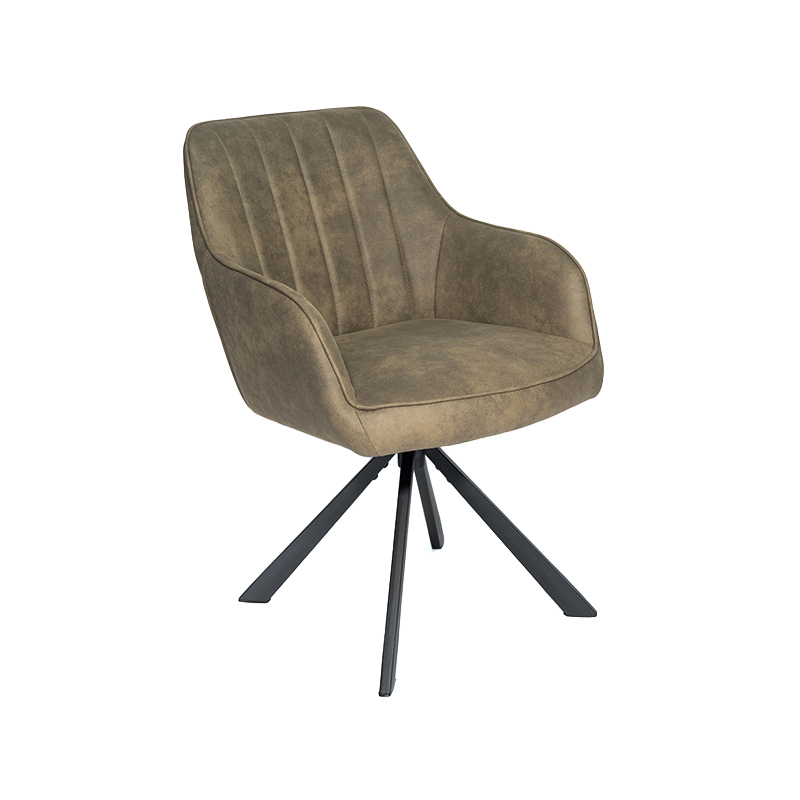
360° Swivel Function Classic Suede Fabric Dining Chair
Fabric dining chairs offer unique advantages that make them particularly suitable for small restaurant environments. Their inherent versatility, acoustic benefits, and visual warmth contribute to creating an intimate dining experience without compromising on space efficiency. Unlike harder materials, fabric chairs can absorb sound, reducing noise levels in compact areas—a crucial factor for customer comfort in busy restaurants.
Here's a comparison of how different chair materials perform in small restaurant settings:
| Material Type | Space Efficiency | Comfort Level | Acoustic Properties | Visual Impact |
| Fabric Upholstered | High (slim profiles available) | Excellent (padded support) | Superior (noise reduction) | Warm and inviting |
| Solid Wood | Medium (bulky designs) | Good (firm support) | Poor (sound reflection) | Traditional but heavy |
| Metal Framed | High (often sleek designs) | Fair (minimal cushioning) | Poor (sound amplification) | Industrial modern |
| Plastic/Molded | High (stackable options) | Basic (minimal ergonomics) | Poor (echo effect) | Utilitarian appearance |
For restaurant owners seeking space saving fabric dining chairs for restaurants, fabric options with slim profiles and lightweight frames provide the perfect balance of comfort and space optimization. The adaptability of fabric chairs makes them ideal for implementing fabric dining chair arrangements for compact dining that can be easily modified based on daily needs and customer flow.
Effective space planning is crucial when incorporating fabric dining chairs into small restaurant designs. The key lies in understanding traffic flow, table configurations, and customer movement patterns. Proper layout planning ensures maximum seating capacity while maintaining comfortable circulation space and accessibility for both customers and staff.
The following table illustrates optimal spacing measurements for fabric chair arrangements:
| Area Type | Recommended Aisle Width | Chair-to-Table Clearance | Back-to-Back Spacing | Minimum Circulation Path |
| Main Dining Area | 36-42 inches | 24-30 inches | 54-60 inches | 32 inches |
| Bar/Lounge Section | 30-36 inches | 20-24 inches | 48-54 inches | 28 inches |
| Private Booth Area | 28-32 inches | 22-26 inches | 46-52 inches | 26 inches |
| Outdoor Patio Space | 34-40 inches | 26-32 inches | 56-62 inches | 30 inches |
When planning your fabric dining chair arrangements for compact dining areas, consider using chairs with slightly narrower dimensions to maintain comfortable spacing while maximizing seating capacity. This approach is particularly effective for implementing small restaurant fabric chair layout ideas that need to accommodate peak-hour crowds without feeling cramped or uncomfortable.
Choosing the right colors and patterns for fabric dining chairs can significantly impact the perceived space in small restaurants. Light colors generally make spaces feel larger and more open, while strategic pattern use can create visual interest without overwhelming the environment. The psychology of color also plays a crucial role in influencing customer mood and dining duration.
This table demonstrates how different color schemes affect spatial perception:
| Color Family | Spatial Effect | Mood Influence | Maintenance Consideration | Best Paired With |
| Light Neutrals | Expansive and airy | Calm and relaxed | Shows stains more easily | Natural wood, metallic accents |
| Dark Tones | Intimate and cozy | Formal and sophisticated | Hides wear better | Light walls, warm lighting |
| Medium Tones | Balanced and warm | Comfortable and inviting | Moderate maintenance | Mixed materials, textured walls |
| Color Accents | Focal points | Energetic and vibrant | Depends on shade | Neutral backgrounds, natural elements |
Selecting fabric dining chairs for small restaurant interiors involves careful consideration of how color impacts both the visual space and practical maintenance needs. For establishments focusing on affordable fabric chairs for cafe settings, medium-toned fabrics often provide the best balance of style, spatial enhancement, and practicality for high-use environments.
Choosing the right fabric type is essential for ensuring longevity and maintaining appearance in high-traffic restaurant environments. Performance fabrics with stain-resistant treatments, high rub counts, and easy-cleaning properties are ideal for commercial use. Understanding fabric composition and construction helps in selecting materials that withstand daily wear while maintaining their aesthetic appeal.
Compare different fabric types for restaurant use:
| Fabric Type | Durability Rating | Stain Resistance | Cleaning Ease | Cost Range |
| Commercial Polyester | Excellent | High (with treatment) | Very Easy | Medium |
| Performance Velvet | Good to Excellent | High | Easy | Medium to High |
| Natural Linen/Cotton | Fair to Good | Low to Medium | Difficult | Low to Medium |
| Vinyl/Upholstery | Excellent | Very High | Very Easy | Low to Medium |
| Wool Blends | Good | Medium to High | Moderate | High |
When selecting easy clean fabric dining chairs for restaurants, prioritize fabrics with built-in stain protection and moisture barriers. This is particularly important for affordable fabric chairs for cafe settings where budget constraints must be balanced with practical durability requirements. Manufacturers like Anji Beifeite Furniture Co., Ltd. understand these commercial needs, offering fabric chairs designed specifically for high-use environments with focus on both aesthetics and longevity.
Implementing fabric dining chairs in small restaurant designs requires careful budget allocation and phased planning. Understanding cost factors, lead times, and implementation stages helps restaurant owners make informed decisions that balance quality, aesthetics, and financial constraints. A strategic approach ensures optimal resource utilization while achieving the desired design outcome.
Budget distribution guide for fabric chair implementation:
| Budget Category | Percentage Allocation | Key Considerations | Cost Saving Tips | Quality Indicators |
| Chair Purchase | 60-70% | Frame construction, fabric quality | Order in bulk, off-season | Solid joinery, commercial fabric |
| Shipping/Logistics | 10-15% | Delivery time, damage protection | Consolidate shipments | Professional packaging |
| Installation/Setup | 5-10% | Assembly requirements, timeline | Train staff for assembly | Clear instructions, proper tools |
| Maintenance Reserve | 10-15% | Cleaning supplies, repairs | Preventive maintenance | Warranty coverage, part availability |
For restaurant owners seeking affordable fabric chairs for cafe settings, working directly with manufacturers like Anji Beifeite Furniture Co., Ltd. can provide cost advantages while ensuring quality control. Their extensive manufacturing experience and large-scale production capabilities enable them to offer competitive pricing without compromising on the durability and comfort essential for commercial use.
The most space-efficient styles include armless chairs, slim-profile designs with narrow seats, and stackable fabric chairs. Armless designs typically save 4-6 inches per chair compared to armed versions, significantly increasing seating capacity in tight spaces. Look for chairs with overall widths under 22 inches and depths under 22 inches for optimal space utilization. These space saving fabric dining chairs for restaurants often feature slightly taller backs to maintain comfort despite their compact dimensions, making them ideal for implementing efficient fabric dining chair arrangements for compact dining areas.
Several strategies can prevent a crowded appearance: use light-colored upholstery to create visual space, select chairs with exposed legs to maintain floor visibility, and implement consistent spacing between chairs. Avoid over-patterned fabrics that can create visual clutter. Instead, opt for solid colors or subtle textures. Transparent acrylic or thin metal frames can also reduce visual weight. For fabric dining chairs for small restaurant interiors, maintaining clear sightlines and adequate negative space around each chair is crucial for creating an open, inviting atmosphere regardless of the actual square footage.
Essential treatments include stain-resistant coatings, moisture barriers, and anti-microbial applications. Commercial-grade fabrics should have at least 50,000 double-rubs for durability and feature built-in stain protection like Teflon or similar treatments. For easy clean fabric dining chairs for restaurants, look for fabrics with hydrophobic properties that repel liquids and prevent absorption. Many performance fabrics now offer these features while maintaining breathability and comfort. Regular professional cleaning combined with immediate spot treatment ensures longevity and maintains the fresh appearance of your investment.
For a 40-seat restaurant, purchase 48-52 chairs to account for backups, damage replacement, and seasonal fluctuations. This 20-30% overage ensures you can immediately replace damaged chairs without disrupting service consistency. Consider dividing your order between different configurations if your space has varied seating areas. When planning your small restaurant fabric chair layout ideas, having extras allows for flexible arrangements and accommodates unexpected large parties. Working with manufacturers that offer consistent production runs, like Anji Beifeite Furniture Co., Ltd., ensures you can obtain matching chairs for future expansions or replacements.
Yes, specifically designed outdoor fabric chairs can work excellently in covered outdoor spaces. Look for chairs with solution-dyed acrylic fabrics, UV-resistant treatments, and rust-proof frames. These materials withstand weather exposure while maintaining comfort and appearance. For partially covered patios, consider quick-dry foam and drainage holes in frames. While standard indoor Fabric Dining Chair options aren't suitable for full weather exposure, many manufacturers now offer outdoor-specific versions that provide the same aesthetic appeal with enhanced durability for exterior use.

Products
Contact info.
No 1255, Xingye Road, Tianzihu Modern Industrial Park, Anji County, Zhejiang Province, China
+86-13587919519
sales@bftfurniture.com
