
 English
 русский
 Español
 عربى
عربى

No 1255, Xingye Road, Tianzihu Modern Industrial Park, Anji County, Zhejiang Province, China
Content
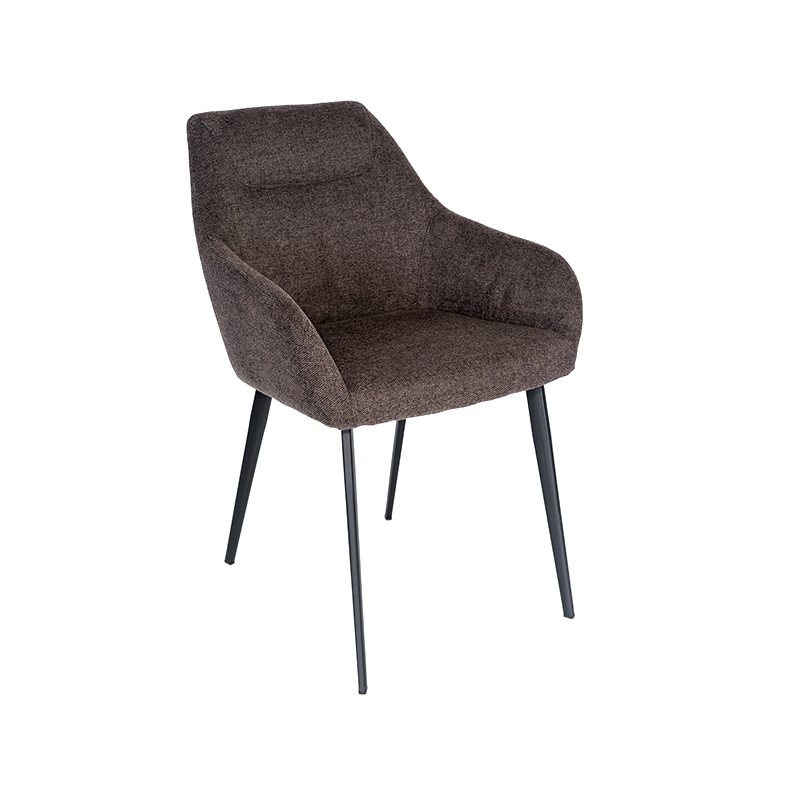
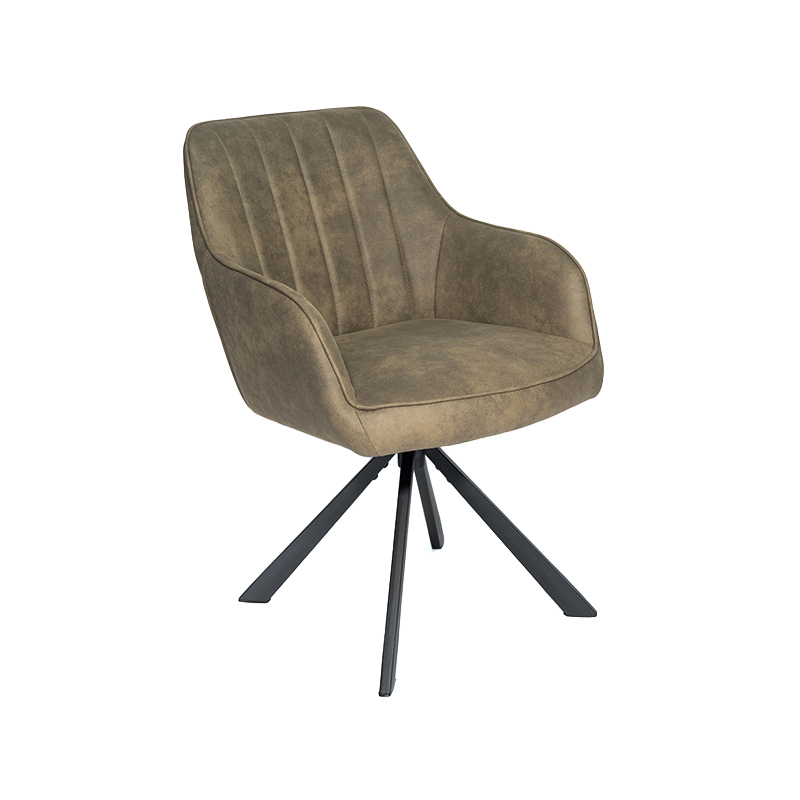
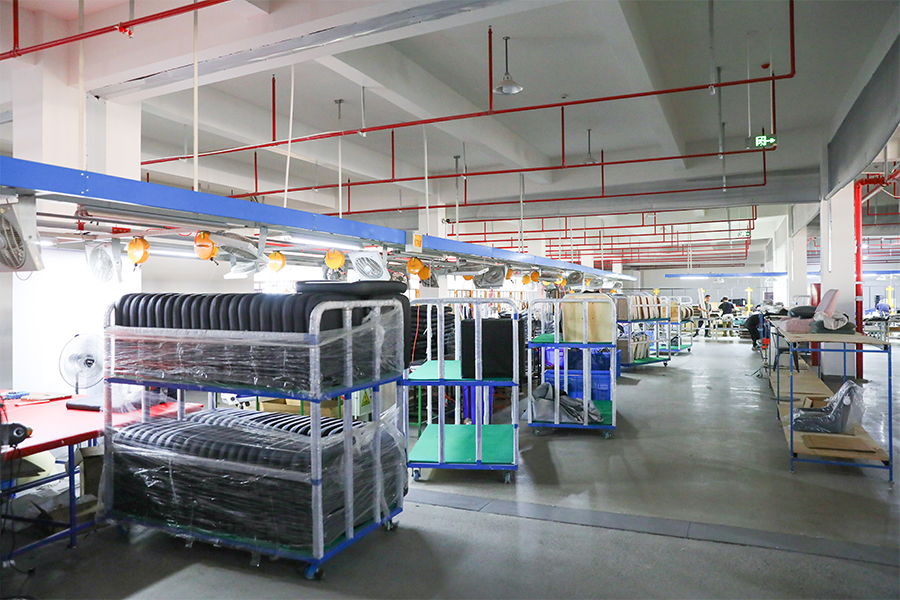
In the contemporary furniture market, the upholstered dining chairs with metal legs category has evolved beyond simple aesthetics into a domain of rigorous engineering. For B2B buyers and wholesalers, the value of a chair is measured by its adherence to international ergonomic standards and the resilience of its internal components. Anji Beifeite Furniture Co., Ltd., established in 2017 in the renowned "China Chair Town" of Anji, operates a 60,000-square-meter facility dedicated to the professional large-scale manufacturing of high-specification seating. By integrating design, development, and production, we ensure that every modern upholstered dining chair with black metal legs meets the precise physiological requirements of the end-user while maintaining structural integrity over years of intensive use.
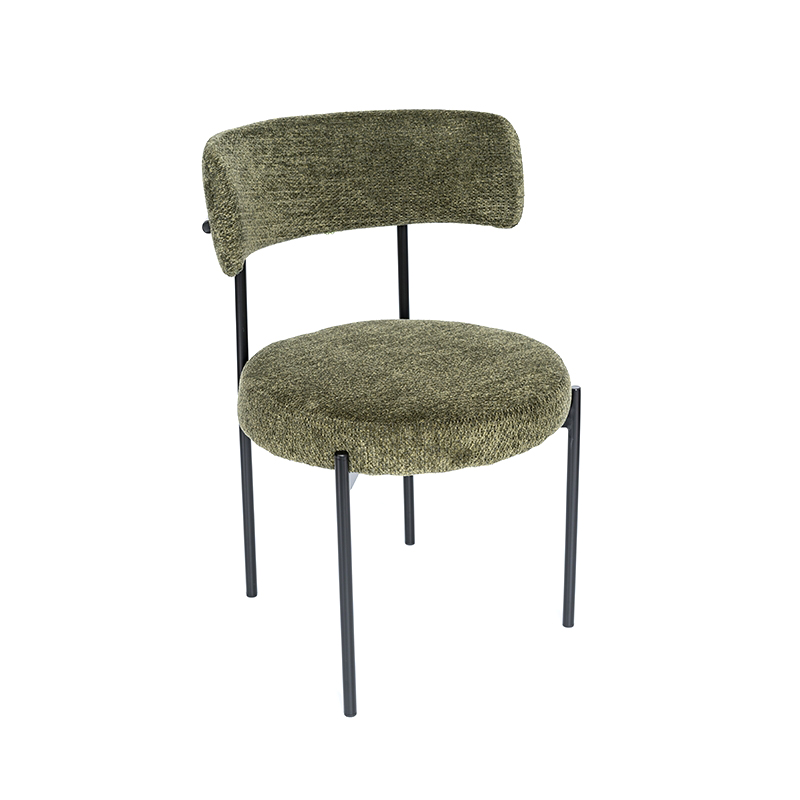
Designing an ergonomic upholstered dining chairs with metal legs setup requires a deep understanding of anthropometric data. The primary objective is to facilitate a "neutral posture" that minimizes pressure on the ischial tuberosities and lumbar spine. According to the ANSI/BIFMA X5.1-2024 General-Purpose Office and Institutional Seating standard, professional-grade seating must accommodate a diverse user range (5th to 95th percentile) through specific dimensional constraints. For a comfortable upholstered side chair for dining room use, the seat height must align with standard table clearances to prevent shoulder strain, while the seat depth must provide enough support without compressing the popliteal area behind the knees.
Source: BIFMA - ANSI/BIFMA X5.1-2024 Seating Standards and Safety Requirements
Standard retail chairs often prioritize style over substance, resulting in seat depths that are either too shallow for support or too deep for comfort. In contrast, an engineered mid century upholstered dining chair with metal legs utilizes a slight 105-degree to 110-degree backrest recline to encourage natural spinal alignment.
| Dimension Attribute | Ergonomic Standard (BIFMA/ISO) | Non-Ergonomic "Fast Furniture" |
| Seat Height | 430mm - 480mm (Adjusted for average table heights) | Inconsistent (often too high or low) |
| Seat Depth | 400mm - 450mm (Prevents leg numbness) | Over 500mm (Causes slouching/back pain) |
| Backrest Angle | 100° - 110° (Promotes lumbar support) | 90° Vertical (Rigid and uncomfortable) |
| Waterfall Edge | Included to reduce pressure on thighs | Sharp edges (Restricts blood flow) |
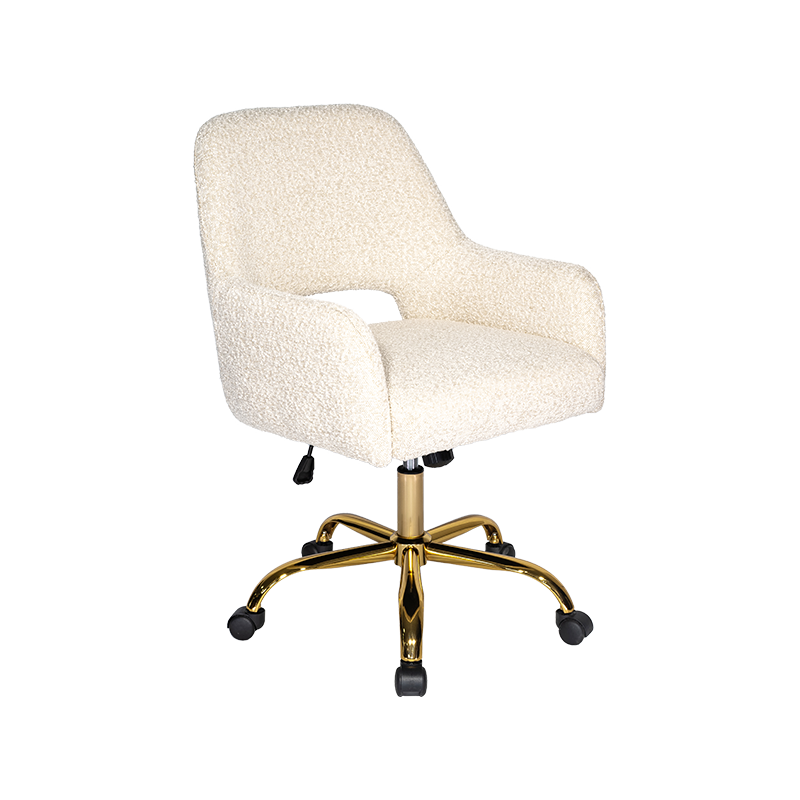
The "comfort life" of a chair is dictated by the Indentation Load Deflection (ILD) and density of its filling. A velvet upholstered dining chair with gold metal legs may feel soft initially, but without high-density (HD) foam, the seat will "bottom out" within months. Technical reports from the Polyurethane Foam Association (PFA) 2025 Industry Outlook indicate that for commercial-grade seating, a minimum density of 30kg/m³ is required to maintain 90% of original loft after 50,000 compression cycles. At Anji Beifeite, our production lines utilize multi-layer foam structures, combining a high-ILD base layer for support with a softer top layer for immediate comfort, ensuring our stackable upholstered dining chairs for restaurants remain viable for high-traffic hospitality environments.
Source: Polyurethane Foam Association - 2025 Flexible Polyurethane Foam Market and Technical Report
Low-density foams contain more air pockets and fewer polymer chains, leading to rapid cell wall collapse. High-density resilient (HR) foam provides a "push-back" force that supports the user's weight evenly across the surface area.
| Foam Property | High-Density (HD) / High-Resiliency (HR) | Standard Low-Density Foam |
| Density Range | 30 - 45 kg/m³ | 18 - 22 kg/m³ |
| Compression Set | < 5% after intensive use | > 20% (Visible sagging) |
| Support Factor | High (Contours to body weight) | Low (Collapses under pressure) |
| Expected Lifespan | 7 - 10 years | 1 - 2 years |
The synergy between the upholstered seat and the metal base is the final pillar of durability. For a modern upholstered dining chair with black metal legs, the gauge of the steel and the quality of the welding determine the weight capacity. Anji Beifeite utilizes advanced production equipment to perform stress tests on leg joints, ensuring they withstand lateral forces and prevent metal fatigue. According to the International Organization for Standardization (ISO) 7173, dining chairs intended for heavy-duty use should withstand a seat static load of 1600N without structural failure.
Our upholstered dining chairs with metal legs are engineered to exceed standard residential requirements. Most models are tested to support up to 135kg (approx. 300 lbs) in accordance with BIFMA safety standards.
For a comfortable upholstered side chair for dining room use, we recommend fabrics with high Martindale rub counts. Regular vacuuming and the use of water-based cleaning agents for spills will maintain the aesthetic for years.
An ergonomic modern upholstered dining chair with black metal legs must allow the user's feet to rest flat on the floor while maintaining a 90-degree angle at the knees to ensure proper circulation during long meals.
Yes. Our stackable upholstered dining chairs for restaurants are designed with both space-saving storage and commercial-grade durability in mind, utilizing high-density foam and reinforced steel legs.
As a professional manufacturer, Anji Beifeite can produce furniture that complies with various regional fire safety standards, such as CA117 or BS5852, depending on the requirements of our B2B partners.

Products
Contact info.
No 1255, Xingye Road, Tianzihu Modern Industrial Park, Anji County, Zhejiang Province, China
+86-13587919519
sales@bftfurniture.com
