
 English
 русский
 Español
 عربى
عربى

No 1255, Xingye Road, Tianzihu Modern Industrial Park, Anji County, Zhejiang Province, China
Content
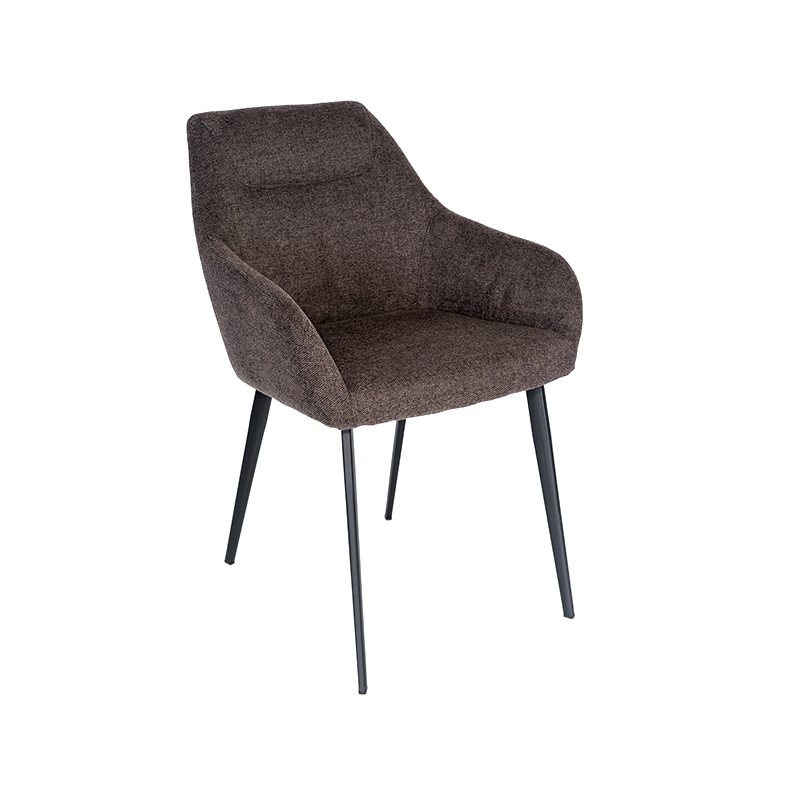
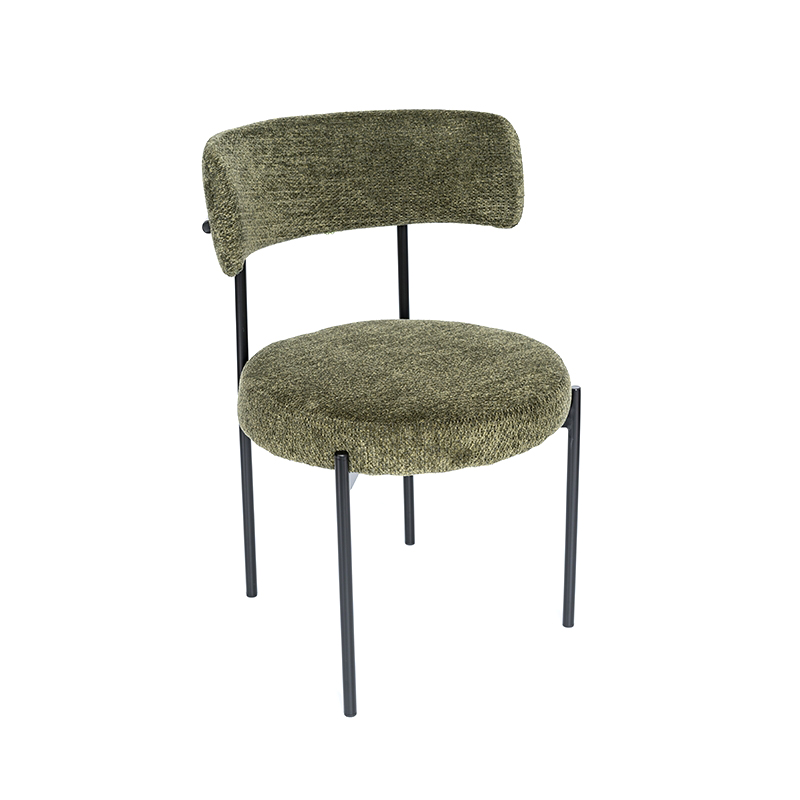
Choosing the right seating for a modern home involves a delicate balance between structural engineering and interior aesthetics. The debate often centers on the base support: upholstered dining chairs with metal legs versus traditional wooden legs. At Anji Beifeite Furniture Co., Ltd., located in the renowned "Chair Town" of Anji, we have spent over 7 years integrating professional design and large-scale production. Our 60,000-square-meter facility utilizes advanced equipment to ensure that every upholstered dining chairs with metal legs unit meets rigorous quality standards. This article provides a technical deep-dive into the mechanical properties, longevity, and maintenance requirements of both configurations to help you decide which is better for your specific environment.
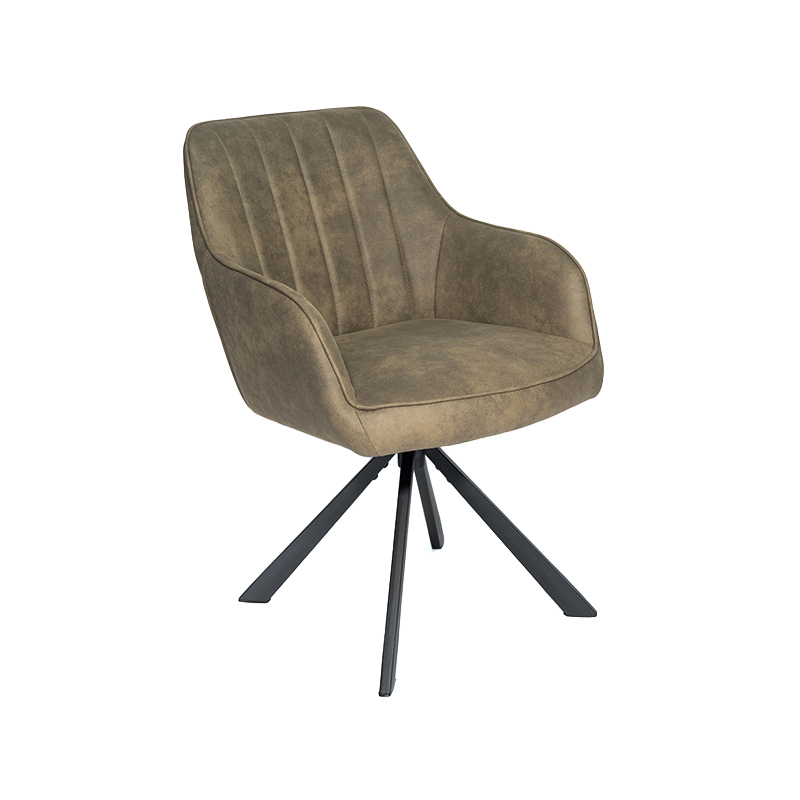
From an engineering standpoint, the material density and tensile strength of the chair legs dictate the product's lifespan. Upholstered dining chairs with metal legs typically utilize high-grade carbon steel or stainless steel, which offers superior resistance to lateral stress and heavy weight loads. In contrast, upholstered dining chairs with wooden legs rely on the natural grain density of hardwoods like ash or beech, which can be prone to microscopic fractures over time. When comparing metal vs wood leg durability for chairs, metal legs are less susceptible to environmental changes such as humidity-induced warping. For those seeking heavy duty upholstered dining chairs with metal legs, the weld strength and gauge of the metal tubing provide a safety margin that timber simply cannot match.
| Metric | Metal Legs (Steel/Iron) | Wooden Legs (Solid Hardwood) |
| Static Load Capacity | Superior (High Yield Strength) | Moderate (Grain Dependent) |
| Joint Failure Risk | Low (Welded/Lock-bolted) | Moderate (Glue fatigue over time) |
| Impact Resistance | High (Ductile) | Moderate (Brittle under extreme force) |
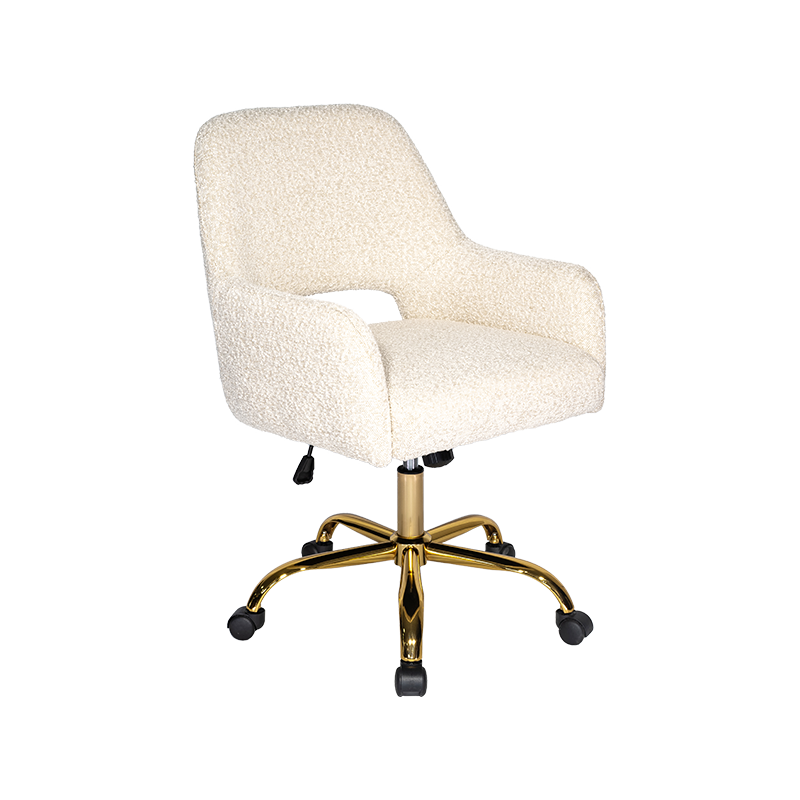
Maintenance is a critical factor for high-frequency use environments. Modern upholstered dining chairs with metal legs are often finished with powder coating or electroplating, providing an impermeable barrier against spills and cleaning agents. Conversely, wooden legs require periodic polishing and are sensitive to scratches and moisture absorption. When analyzing how to clean upholstered chairs with metal legs, the process is significantly more efficient than treating porous wood surfaces. Furthermore, for upholstered dining chairs with metal legs for small spaces, the reflective nature of chrome or gold finishes creates a visual lightness that solid wood cannot provide. Understanding why metal legs are popular for modern dining chairs requires looking at the industrial-minimalist trend that prioritizes sleek, low-maintenance silhouettes.
| User Concern | Metal Leg Solution | Wooden Leg Solution |
| Scratch Resistance | High (Powder-coated/Plated) | Low (Easily dented) |
| Cleaning Complexity | Low (Simple wipe-down) | High (Requires wood-specific oils) |
| Visual Weight | Sleek and minimalist | Warm and substantial |
The marriage of soft upholstery and rigid support defines the comfort of a home office upholstered chair with metal legs. Engineers design the rake and splay of metal legs to ensure the center of gravity remains stable during recline. While wood offers a traditional "warmth," upholstered dining chairs with metal legs vs wood legs comfort is largely determined by the foam density and ergonomic curvature of the seat rather than the leg material itself. However, the best fabric for upholstered chairs with metal legs—such as velvet or high-performance linen—often pairs better with the clean lines of metal for a contemporary look. Choosing upholstered dining chairs with metal legs for durability ensures that the structural foundation of your furniture remains "like new" even after years of daily use.
For the modern homeowner, upholstered dining chairs with metal legs provide a technically superior solution in terms of load capacity, ease of maintenance, and contemporary design flexibility. While wooden legs offer a classic aesthetic, the mechanical advantages of metal—specifically in high-traffic dining areas—make it the preferred choice for longevity. Anji Beifeite Furniture Co., Ltd. continues to lead the industry from our China Chair Town facility, providing top-tier metal chairs and stools that embody our tenet of "Best Quality and Service."
No, high-quality metal legs are treated with powder coating or chrome plating. At Anji Beifeite, we use advanced production equipment to ensure a perfect finish that protects the steel from oxidation even in humid climates.
All of our metal-legged chairs are equipped with high-density plastic or felt floor protectors to prevent any damage to hardwood or tiled surfaces, ensuring stability and floor safety.
The upholstery should be vacuumed regularly and spot-cleaned with a damp cloth. The metal legs simply require a wipe with a microfiber cloth and a mild detergent to maintain their original luster.
Yes. Because of the superior yield strength of metal tubing and welded joints, these chairs are specifically designed to withstand the high-frequency use common in restaurants and offices.
Absolutely. We support customized designs for fabrics, metal finishes, and overall structures. With over 7 years of R&D experience, we can manufacture furniture that fits your specific brand or home aesthetic.

Products
Contact info.
No 1255, Xingye Road, Tianzihu Modern Industrial Park, Anji County, Zhejiang Province, China
+86-13587919519
sales@bftfurniture.com
