
 English
 русский
 Español
 عربى
عربى

No 1255, Xingye Road, Tianzihu Modern Industrial Park, Anji County, Zhejiang Province, China
Content
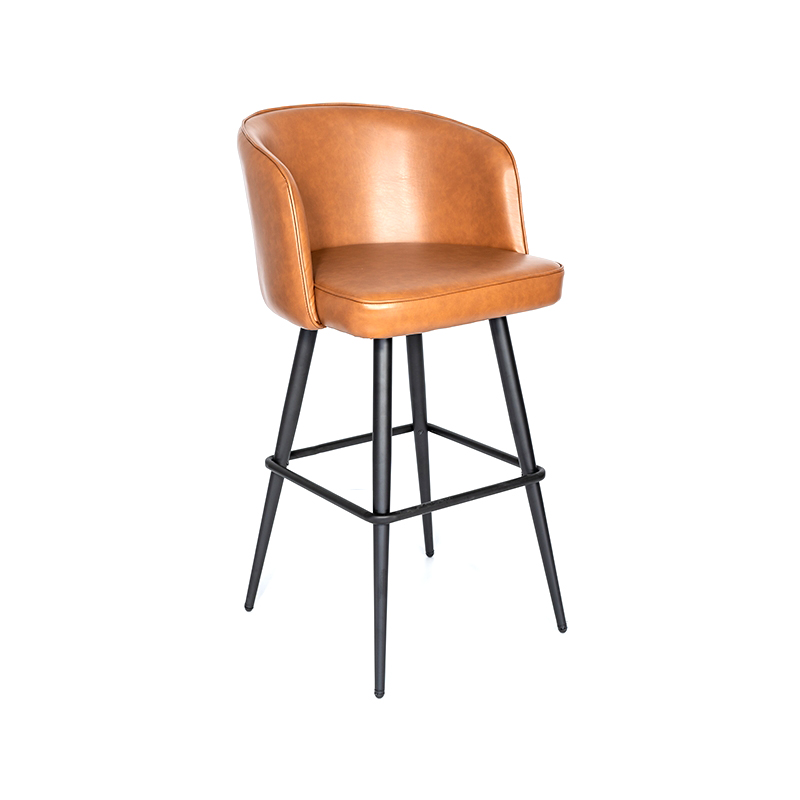
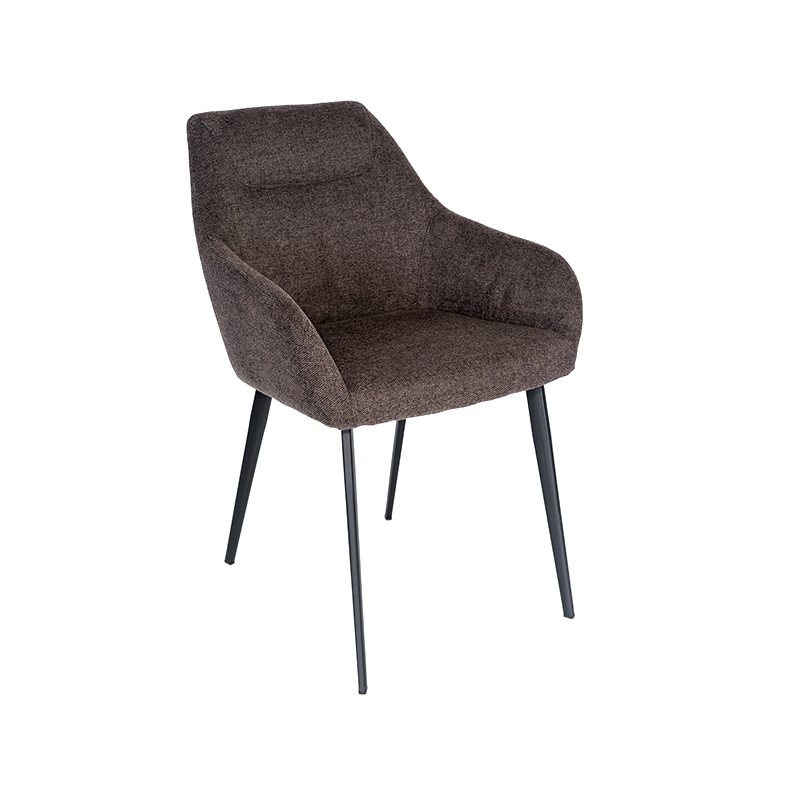
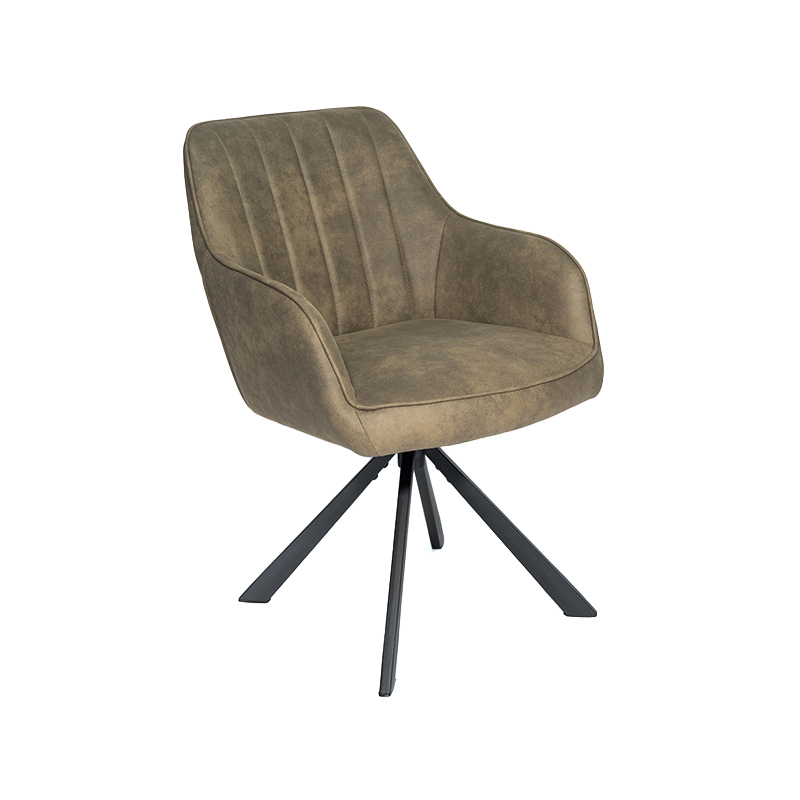
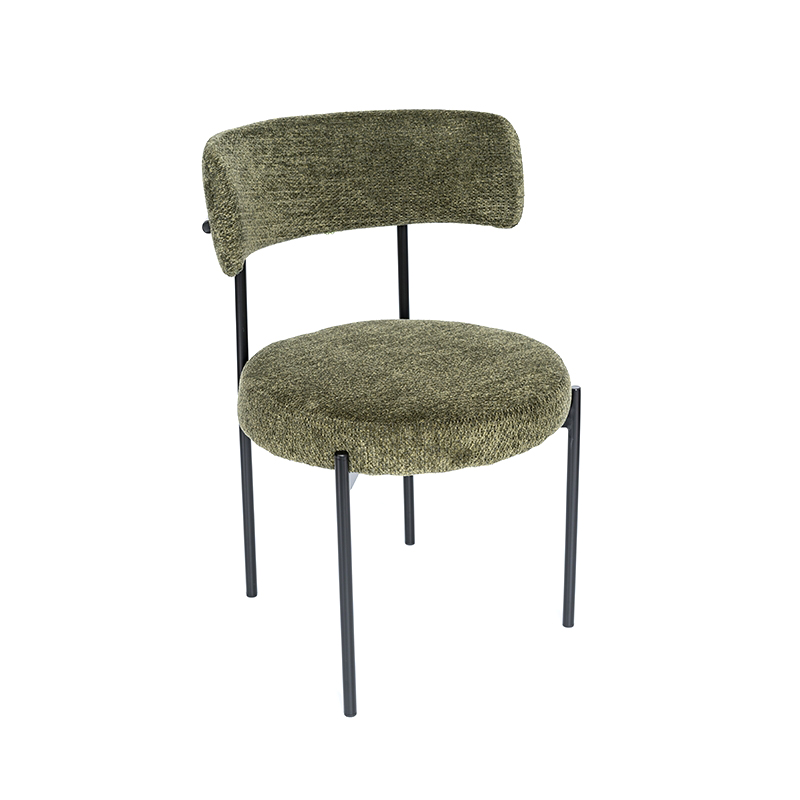
In modern contract and hospitality design, the upholstered dining chairs with metal legs stand as a centerpiece of both style and utility. Achieving excellence in this category requires a delicate balance: the chair must offer the inviting warmth and comfort of a fully upholstered seat while simultaneously showcasing the sleek, contemporary lines and structural honesty of the metal base. Furthermore, the commercial environment dictates that aesthetic considerations cannot compromise functional longevity, requiring engineering focus on stability, floor protection, and noise reduction.
Anji Beifeite Furniture Co., Ltd. is a large-scale manufacturer integrating design, development, and production. Our seven years of expertise are dedicated to creating upholstered dining chairs with metal legs that embody this fusion, ensuring that every product delivers on our commitment to the best quality and service, from the initial design concept to the final, functional detail.
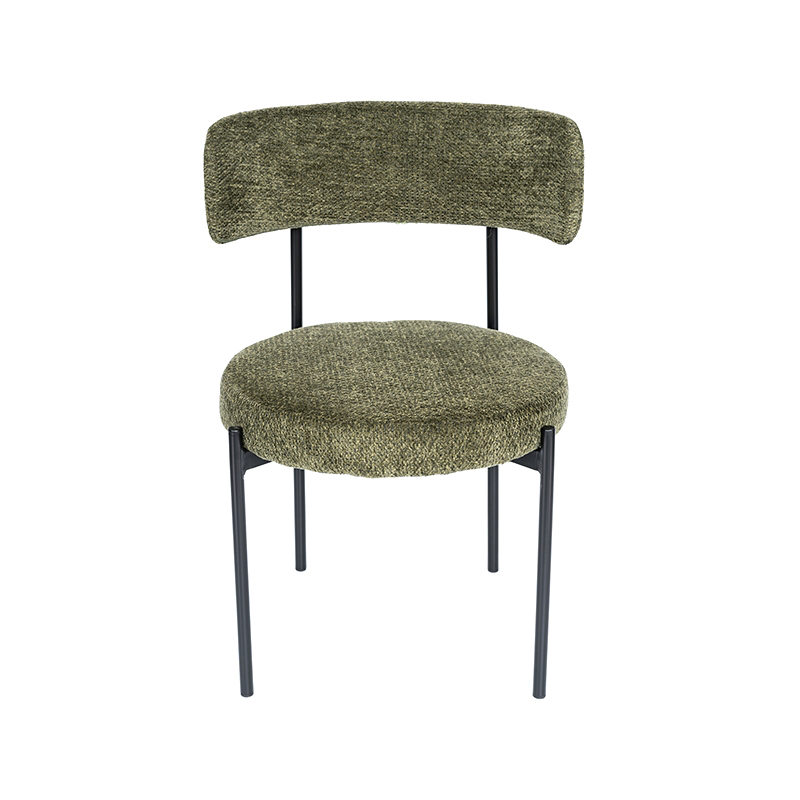
The successful design of this hybrid chair relies on meticulous attention to the interaction between the soft and hard elements—the upholstery and the metal frame.
To achieve seamless Aesthetic integration of upholstery and metal chair legs, designers employ techniques that make the metal base appear as a deliberate extension of the seating structure. This can involve matching the material of the metal legs (e.g., polished chrome) to design details in the seating shell, or using the metal structure to visually frame or wrap the upholstery. The quality of the finish, whether powder-coated matte black or electroplated brass, must be flawless to maintain the aesthetic integrity of the clean lines.
Comfort is not solely achieved through foam density. Ergonomic seating design for metal leg dining chairs must integrate structural angles to support the natural curve of the human spine. Ideal backrest angles range from 98 degrees (upright) to 105 degrees (relaxed). The Design principles for comfortable metal dining chairs prioritize seat depth and height to ensure the user's feet are grounded and posture is maintained during extended use. The inherent rigidity of the metal base ensures structural stability, which is then softened by the contoured upholstery.
| Design Element | Impact on Comfort/Aesthetic | Metal/Upholstery Integration Strategy |
|---|---|---|
| Backrest Angle | Comfort (Lumbar support) | Fixed angle defined by the rear metal leg connection point. |
| Metal Finish | Aesthetic (Visual Harmony) | Metal finish (e.g., brushed finish) complements or contrasts with the fabric texture. |
| Connection Joint | Structural Integrity/Aesthetic Cleanliness | Recessed or concealed fasteners for a seamless transition. |
In high-traffic environments, the chair's footprint must be engineered to prevent damage to expensive flooring and minimize disruptive noise.
The choice of glide material is a critical engineering decision. Felt glides are effective for noise reduction but wear quickly and are susceptible to moisture and dirt ingress. Hard plastic or nylon glides are durable but provide poor Noise reduction floor protection for metal furniture on hard surfaces. Therefore, for contract upholstered dining chairs with metal legs, durable materials like heavy-duty TPE (Thermoplastic Elastomer) or PTFE/Teflon pads are preferred. TPE glides offer superior grip and sound damping, while PTFE provides low friction for easy movement over various surfaces without marking, thereby effectively Selecting chair glides to prevent floor damage.
Effective noise reduction goes beyond the glide material; it encompasses the connection method. A poorly fitted glide or one secured with adhesive will rattle and detach, leading to increased noise and floor damage. Premium design employs internal screw threads or robust, tight-fitting snap-in mechanisms to ensure a secure, noise-dampening fit. This mechanical stability is crucial for long-term Noise reduction floor protection for metal furniture when the chairs are frequently dragged or repositioned.
Achieving the synergy between comfort and function requires high-precision manufacturing processes for both the metal and soft components.
The metal leg structures are produced using advanced equipment, including CNC bending and precise welding processes, ensuring that the structural integrity is uncompromised and the final geometry perfectly aligns with the seating shell. Any deviation in the metal leg angle directly compromises the chair's stability and the intended Ergonomic seating design for metal leg dining chairs.
Anji Beifeite Furniture Co., Ltd.'s comprehensive quality control system ensures that the upholstered dining chairs with metal legs are inspected for both aesthetic alignment and functional detail. This includes the tensile strength of the metal welds, the flawless application of the metal finish, and the rigorous testing of the floor glides to guarantee their non-slip, non-marking performance before the chairs are approved for shipment, ensuring mutual success in business relationships.
The best upholstered dining chairs with metal legs are engineered solutions that transcend simple assembly. The optimal chair must master the Aesthetic integration of upholstery and metal chair legs by ensuring the soft and hard elements complement each other. Crucially, the functional details—such as the selection of durable glides for Noise reduction floor protection for metal furniture—must be prioritized to maximize product longevity and user experience in demanding commercial environments.

Products
Contact info.
No 1255, Xingye Road, Tianzihu Modern Industrial Park, Anji County, Zhejiang Province, China
+86-13587919519
sales@bftfurniture.com
