
 English
 русский
 Español
 عربى
عربى

No 1255, Xingye Road, Tianzihu Modern Industrial Park, Anji County, Zhejiang Province, China
Content
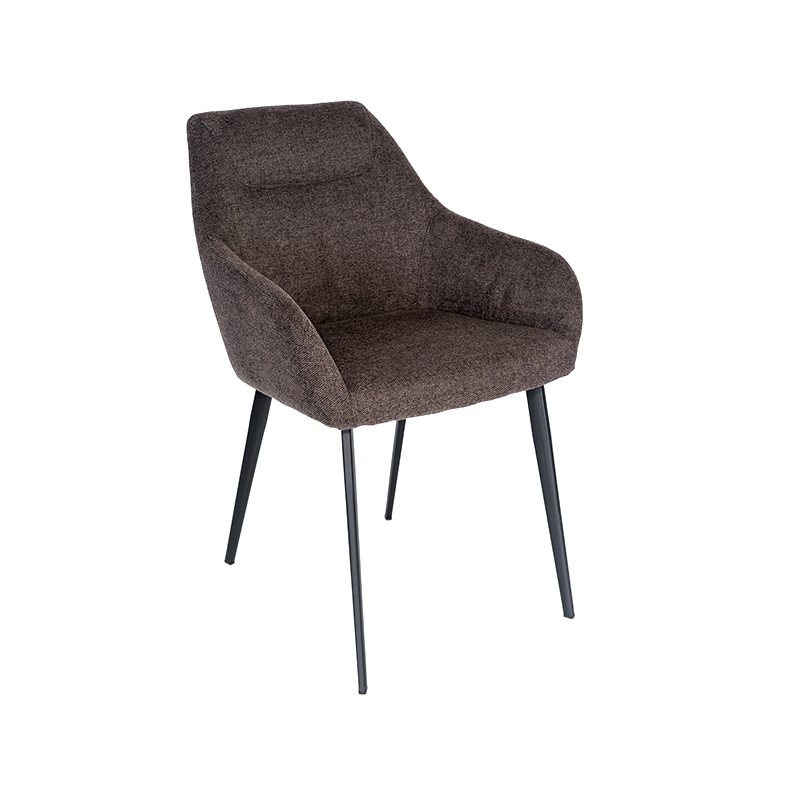
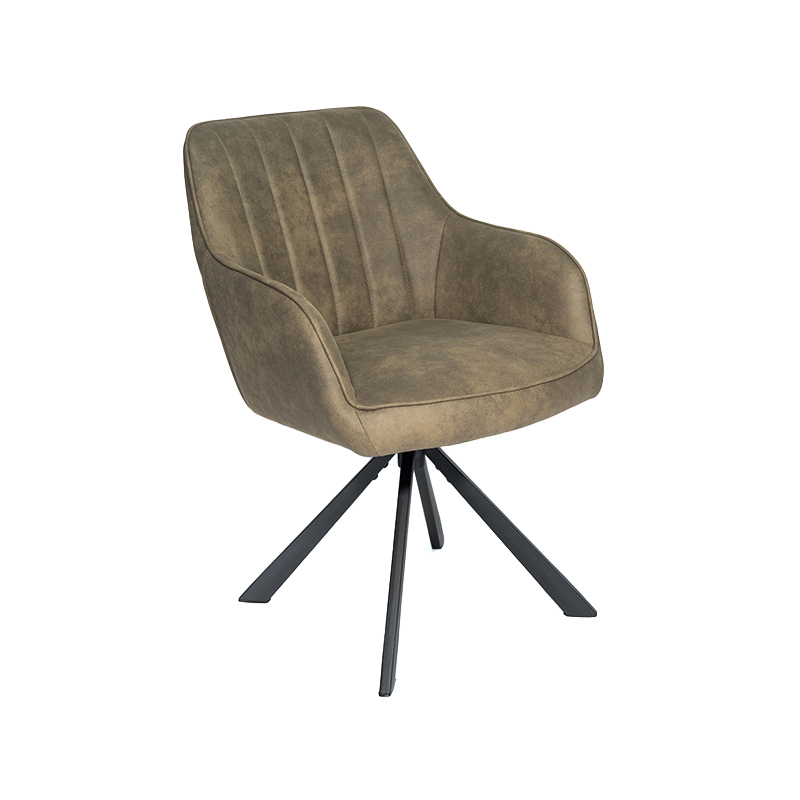
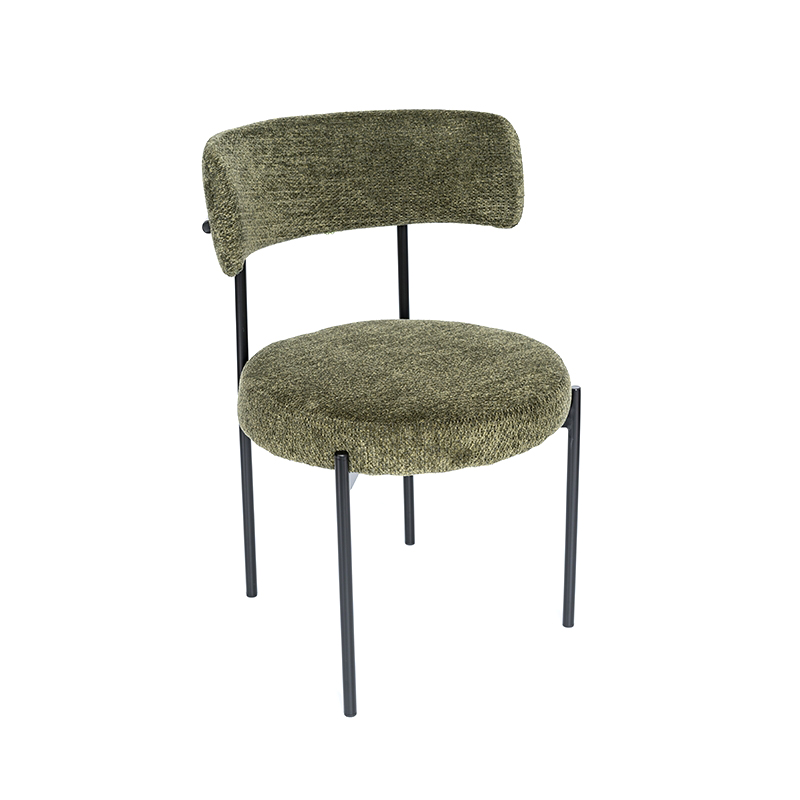
The contemporary demand for upholstered dining chairs with metal legs in the contract and hospitality sectors goes far beyond aesthetic design. These chairs must withstand intense daily use, repeated cleaning, and constant abrasion. The longevity and return on investment (ROI) of commercial seating are fundamentally determined by the technical specifications of the upholstery fabric—specifically, its resistance to mechanical wear (abrasion), chemical degradation (staining and cleaning), and visual deterioration (fading).
Anji Beifeite Furniture Co., Ltd., with over seven years of engagement in furniture production, understands these stringent requirements. Our commitment to utilizing advanced production equipment and maintaining a great production capacity ensures that our upholstered dining chairs with metal legs are built with high-performance materials that align with the eternal tenet: best quality and service to satisfy our customers.
Abrasion resistance is the most critical metric for any fabric destined for commercial seating. The Martindale test provides the standard quantifiable measure of a fabric's resilience to rubbing and friction over time.
The Martindale test (ISO 12947-2) measures the number of cycles a fabric withstands before two yarns break or noticeable pilling/wear occurs. General domestic seating typically requires 15,000 to 25,000 cycles. However, high-traffic commercial environments necessitate a higher engineering standard. For upholstered dining chairs with metal legs used in restaurants, cafeterias, or waiting areas, the minimum technical requirement for Martindale abrasion cycles for commercial dining chair fabric must be 40,000 cycles or higher. Many high-performance contract fabrics reach 70,000 to 100,000 cycles (Heavy Duty Contract Grade) to ensure a minimum lifespan of 5-7 years under intensive daily use.
The required Martindale rating can vary significantly depending on the material type. While high-performance polyester and vinyl typically achieve the highest numbers, natural fibers like cotton blends struggle to meet the 40,000 cycle threshold without synthetic reinforcement.
| Upholstery Material Type | Typical Martindale Rating (Cycles) | Wear Mechanism | Suitability for Heavy Contract Chairs |
|---|---|---|---|
| High-Performance Polyester | 40,000 - 100,000+ | Fiber breakage (Abrasion) | Excellent |
| PU Leather (Polyurethane) | 30,000 - 60,000+ | Surface peel/cracking (Hydrolysis) | Good (Check backing strength) |
| Commercial Velvet (Treated) | 40,000 - 60,000 | Pile crushing/loss (Rubbing) | Acceptable (Requires specific weave density) |
Beyond mechanical wear, upholstery must maintain its appearance and structural integrity against spills, stains, and light exposure—all common in dining settings.
Restaurant environments demand immediate cleanability. Non-porous materials like PU leather offer innate resistance, but their longevity is threatened by hydrolysis (chemical breakdown due to moisture/cleaning agents), often addressed by using high-quality backing and formulation. In contrast, woven fabrics like Performance upholstery materials for restaurant seating (high-denier polyester) rely on specialized topical or integrated treatments (e.g., C6/C8 stain repellency) to achieve comparable performance.
For high-end aesthetics, the challenge of Selecting stain-resistant velvet for dining chairs involves choosing velours with short, dense piles made from synthetic fibers (polyester or nylon) that are chemically treated. The Durability comparison of PU leather vs polyester for dining chairs shows that while PU leather is easier to wipe immediately, high-performance, stain-resistant polyester fabrics often provide a better long-term aesthetic return by avoiding the cracking associated with prolonged use and harsh chemicals.
Fading and color transfer are major aesthetic failure modes. Lightfastness (ISO 105 B02) measures resistance to UV exposure. Commercial upholstered dining chairs with metal legs positioned near windows require a minimum Blue Wool Scale rating of 4 out of 8, with 5 or higher being ideal to resist fading over years. Rubbing fastness (ISO 105 X12) ensures that the color does not transfer onto clothing, a critical detail for deep-colored Performance upholstery materials for restaurant seating.
Procurement professionals should specify both performance grades and materials to ensure long-term value.
A contract-grade specification for upholstered dining chairs with metal legs must clearly define a minimum Martindale score (e.g., >40,000 cycles), a verified stain-resistance rating (e.g., AATCC stain release test compliance), and a lightfastness score (e.g., ISO B02 Grade 4+). Furthermore, the fabric backing—whether woven or non-woven—must be specified to possess high tear strength to prevent seam failure and stretching.
Anji Beifeite Furniture Co., Ltd.'s 60,000 square meter facility and systematic production integration ensure that these technical material specifications are consistently met across large-volume orders. Our capacity to manage high-quality input materials, from the specialized fabric to the structural metal legs, guarantees product reliability from design to delivery.
The true ROI of upholstered dining chairs with metal legs in a commercial environment is dictated by the durability of the upholstery. Specifying fabrics with high Martindale abrasion cycles for commercial dining chair fabric, verified resistance to common stains, and high Color fastness standards for dining chair upholstery is not merely a purchase detail—it is an engineering decision that ensures lower maintenance costs, fewer replacement cycles, and long-term aesthetic integrity.

Products
Contact info.
No 1255, Xingye Road, Tianzihu Modern Industrial Park, Anji County, Zhejiang Province, China
+86-13587919519
sales@bftfurniture.com
