
 English
 русский
 Español
 عربى
عربى

No 1255, Xingye Road, Tianzihu Modern Industrial Park, Anji County, Zhejiang Province, China
Content
The metal components of upholstered dining chairs with metal legs are subjected to constant stress, abrasion, and exposure to cleaning agents and moisture, especially in commercial settings. The longevity and aesthetic integrity of the chair are entirely dependent on the quality of the metal leg's surface finish. For B2B furniture manufacturers and wholesalers, specifying the correct finish—one that guarantees resistance to peeling, scratching, and rust—is paramount.
Anji Beifeite Furniture Co., Ltd., located in China's Chair Town, specializes in the design and production of various metal and dining chairs. With over 7 years of deep engagement in furniture production and a vast factory covering 60,000 square meters, we adhere to the eternal tenet of providing the best quality and service. Our technical focus ensures that the finish on every metal component meets high commercial standards.
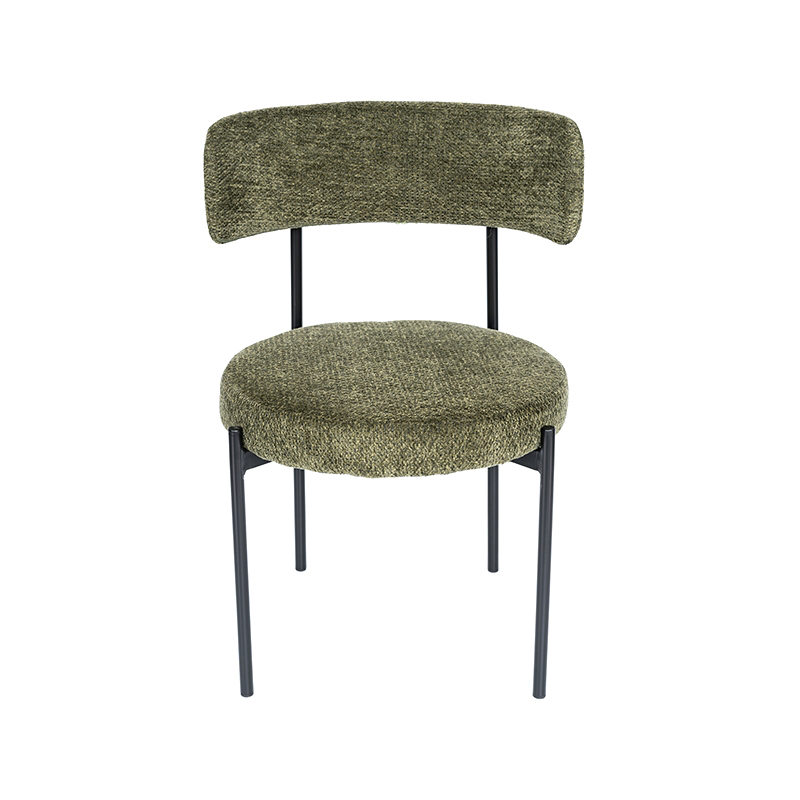
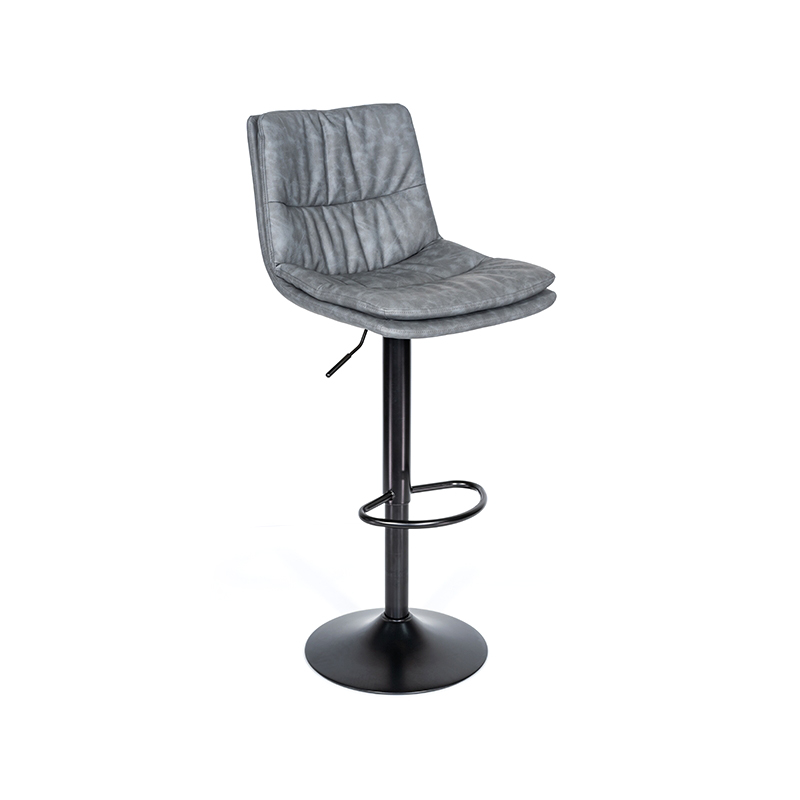
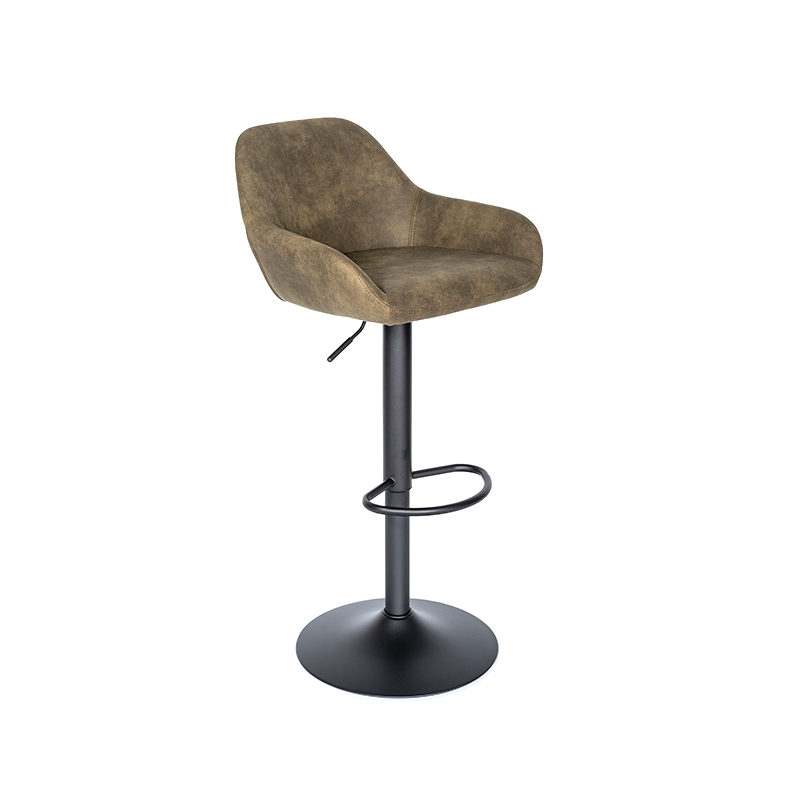
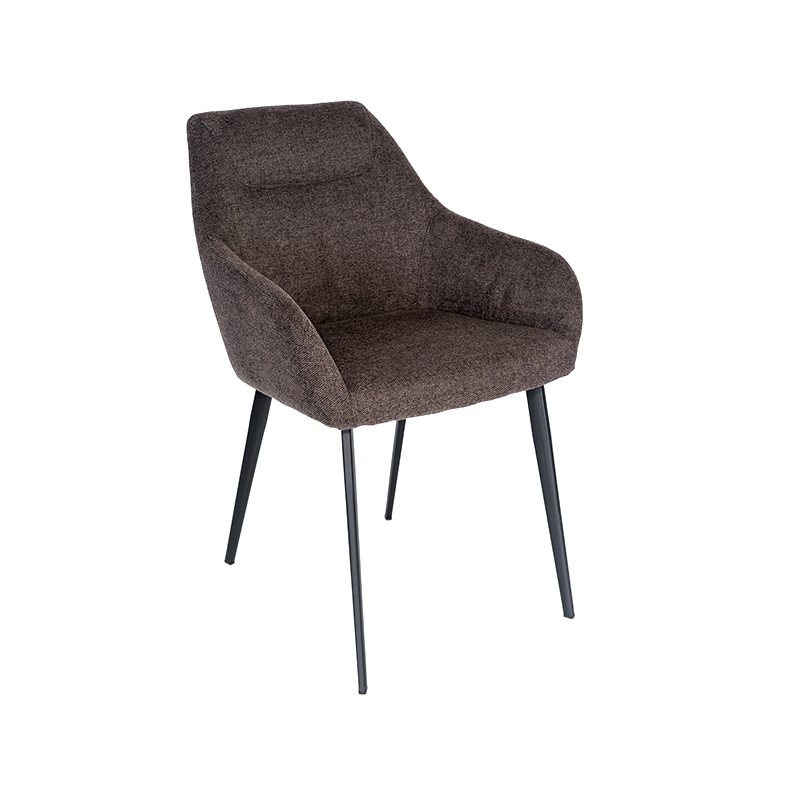
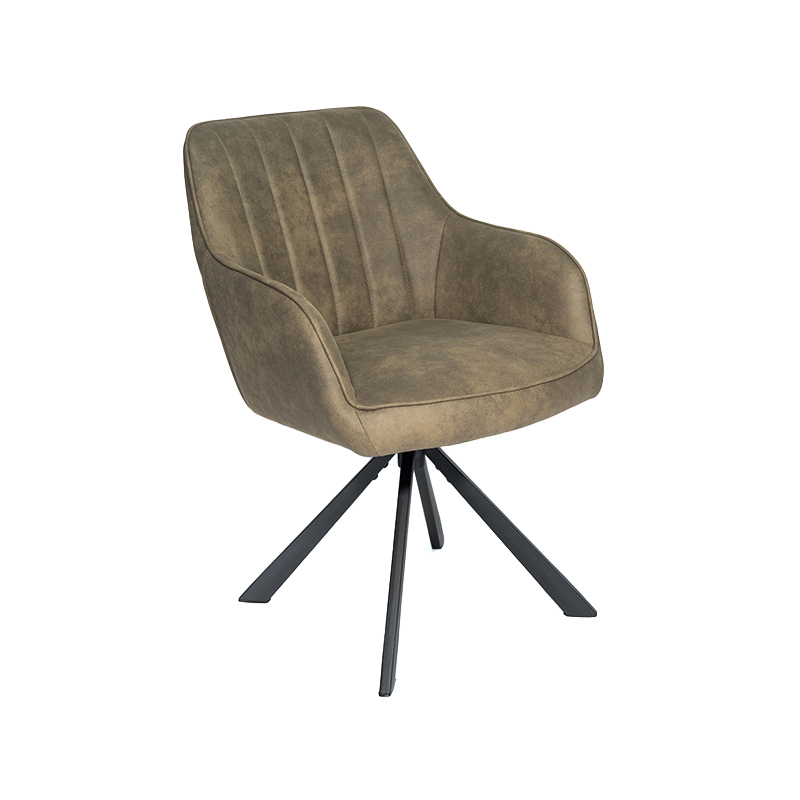
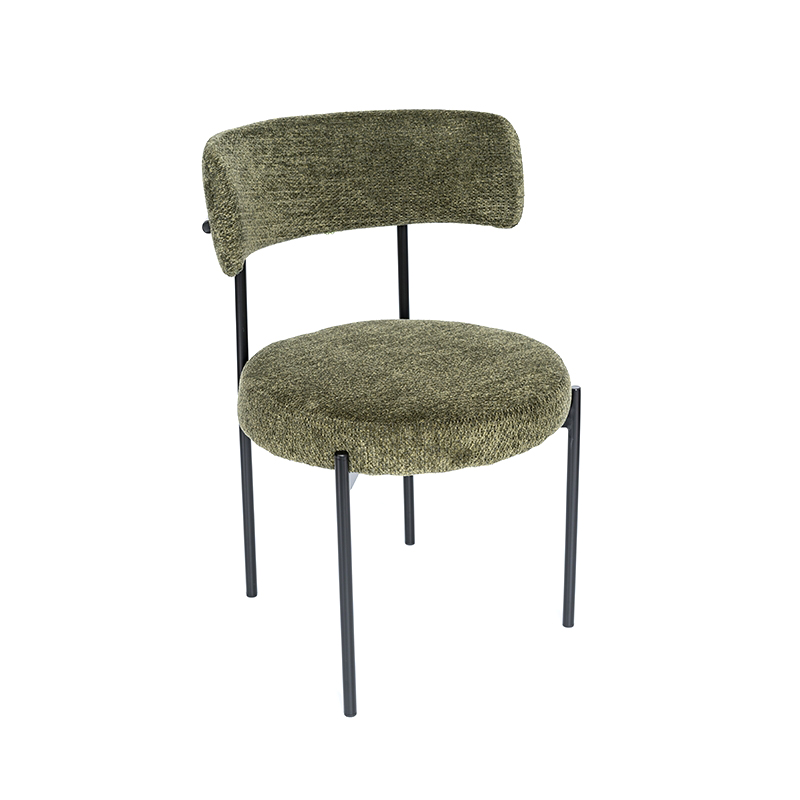
Iron Frame, Soft Cushions Simple Fabric Dining Chair - Green/Grey
No finish, regardless of its quality, will perform reliably without meticulous substrate preparation. This foundational step ensures optimal adhesion and initiates the primary corrosion protection.
The process of optimal surface preparation for dining chair metal legs moves far beyond simple cleaning. The key steps include:
Selecting the final finish involves a trade-off between durability, aesthetics, and cost.
The powder coating vs electroplating for metal chair legs durability comparison shows distinct differences. Powder coating applies a thick, polymer layer (often thermoset polyester or epoxy) that is cured under heat, resulting in high chip resistance and excellent anti-corrosion properties because the coating is uniform and non-porous. Electroplating (e.g., chrome or nickel), conversely, is a metallic layer applied via an electric current. It offers a brighter aesthetic but, if the underlying layer is thin, is more susceptible to peeling and moisture ingress at wear points.
The brushed stainless steel finish vs chrome plated chairs decision pits inherent material corrosion resistance against applied metallic hardness. Brushed stainless steel relies on the metal's intrinsic chromium oxide layer for rust proofing, requiring no coating, though the aesthetic can be prone to surface scratches. Chrome plating relies on the applied hard chrome layer for wear resistance, but its anti-rust capability is dependent on the quality and thickness of the underlying nickel plating.
| Finish Type | Abrasion Resistance (Taber Test) | Corrosion Resistance (Salt Spray) | Susceptibility to Chipping/Peeling |
|---|---|---|---|
| Powder Coating (Epoxy/Polyester) | Very High (Thick, Polymer Layer) | Excellent (Over 1000 hours) | Low (Except at high-impact points) |
| Chrome Plating (Electroplating) | High (Hard Metallic Surface) | Moderate-High (Dependent on Nickel thickness) | High (Prone to failure if Nickel/Copper undercoat is poor) |
| Brushed Stainless Steel (Intrinsic) | Moderate (Surface scratches easily) | Excellent (Intrinsic rust proofing) | None (No coating to peel) |
To assure commercial quality, finishes must be validated against industry standards.
Testing abrasion resistance on dining chair metal finishes typically utilizes the Taber Abrasion Test (following industry standards such as ASTM D4060). This quantifies the number of cycles required to wear through the coating, providing an objective measure of the finish's lifespan against daily scuffing and friction.
Furthermore, the B2B guide to moisture and rust proof metal chair legs mandates Salt Spray Testing (following industry standards such as ASTM B117) to simulate corrosive environments. High-quality finishes, especially powder coatings, must resist corrosion for over five hundred or even one thousand continuous hours. Poorly prepared surfaces or thin electroplating will show red rust and blistering in a fraction of that time.
Anji Beifeite Furniture Co., Ltd. ensures quality by utilizing advanced production equipment and adhering to strict quality control. The great production capacity allows us to maintain consistent pre-treatment and finishing cycles, guaranteeing uniform adhesion and finish thickness across large orders. This quality control, from initial material selection to final abrasion resistance testing, is the foundation of our commitment to customers seeking reliable upholstered dining chairs with metal legs.
The performance of upholstered dining chairs with metal legs is defined not by the metal itself, but by the surface treatment it receives. B2B buyers should specify rigorous optimal surface preparation for dining chair metal legs followed by validated finishing protocols. Whether comparing the resilience of powder coating vs electroplating for metal chair legs durability or the long-term anti-rust properties of brushed stainless steel finish vs chrome plated chairs, only adherence to tested standards can guarantee chairs that withstand the rigors of commercial use and deliver mutual success.
Phosphating (or conversion coating) is the single most critical step in optimal surface preparation for dining chair metal legs. It converts the metal surface into a thin, inert, crystalline layer that is chemically bonded to the metal. This layer provides excellent anti-corrosion protection and drastically improves the adhesion of subsequent powder coatings or paints.
Abrasion resistance testing (like Taber) quantifies wear life under repeated, standardized friction, simulating years of chair movement, cleaning, and foot traffic. Simple scratch tests only measure surface hardness against a single sharp object. Taber testing provides a reliable, objective metric for predicting the long-term aesthetic and protective lifespan of the finish.
As highlighted in the powder coating vs electroplating for metal chair legs durability analysis, powder coating applies a thick, continuous polymer layer that is non-porous, providing an excellent barrier against moisture. Electroplating, particularly if the base layers are thin, can contain micro-pores that allow moisture to penetrate and cause sub-surface corrosion (rust), leading to bubbling and peeling.
Brushed stainless steel should be chosen for applications where the highest level of inherent corrosion resistance is needed (e.g., coastal or high-humidity environments) and a slightly lower surface hardness is acceptable. Chrome plating is chosen when a bright, reflective, mirror-like finish and extremely high surface hardness (wear resistance) are prioritized.
The primary validation method is the Salt Spray Test (following industry standard ASTM B117). Samples of the finished metal legs are exposed to a highly corrosive saline mist for a specified period (e.g., five hundred hours). The presence and extent of rust formation (red rust) or blistering determine the pass/fail result, verifying the coating system's long-term rust-proof capability.

Products
Contact info.
No 1255, Xingye Road, Tianzihu Modern Industrial Park, Anji County, Zhejiang Province, China
+86-13587919519
sales@bftfurniture.com
