
 English
 русский
 Español
 عربى
عربى

No 1255, Xingye Road, Tianzihu Modern Industrial Park, Anji County, Zhejiang Province, China
Content
Before you brief a supplier or lock in a purchase order, know this: dining chairs and accent chairs are not interchangeable pieces. Dining chairs are task-oriented seating built for table height, repeated meals, and easy maintenance. Accent chairs are atmosphere-driven seating designed for lounging, visual contrast, and deeper comfort. For furniture buyers and project sourcing, confusing the two often leads to wrong seat heights, premature upholstery wear, or a commercial space that feels incomplete. This guide explains what separates the categories, what to check in specifications, and how to source each type with confidence.
A dining chair exists to support a seated person at a dining table, typically in groups of two, four, six, or more. Its seat height must match the table's clearance: standard dining tables sit about 75 cm (29.5 in) high, so the chair seat should land between 46 and 51 cm (18 to 20 in). The chair needs to be narrow enough to tuck fully under the table, and stable enough to handle daily pushing, pulling, and side loading without loosening.
From a material standpoint, a commercial dining chair should resist spilled coffee, sauces, and repeated wiping. That is why upholstery choices such as stain-resistant, high-back dining chairs are common in restaurants and family-oriented projects. They give you the soft feel of fabric without the constant fear of permanent stains.
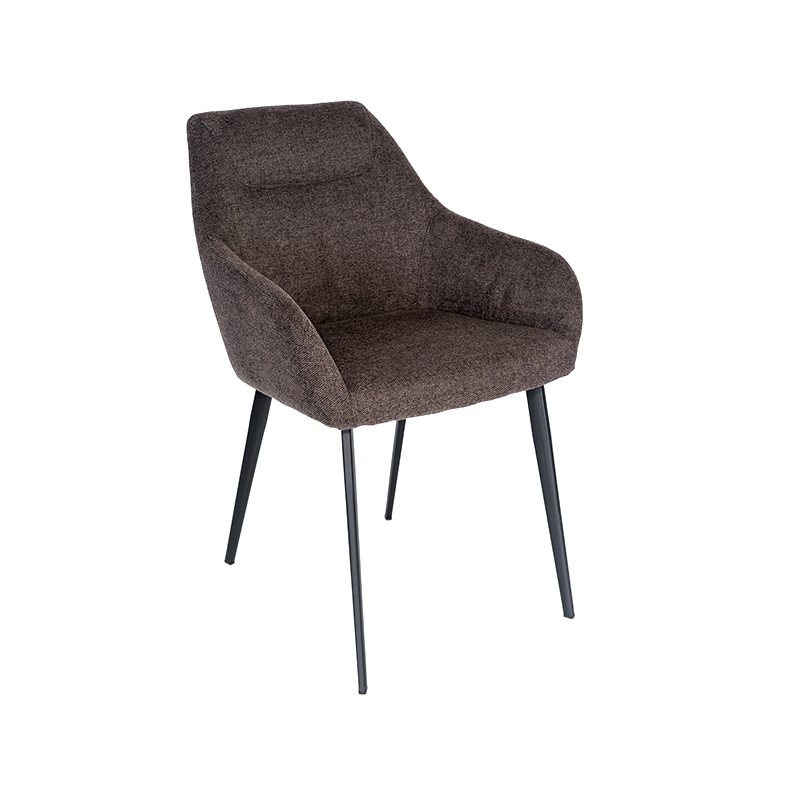
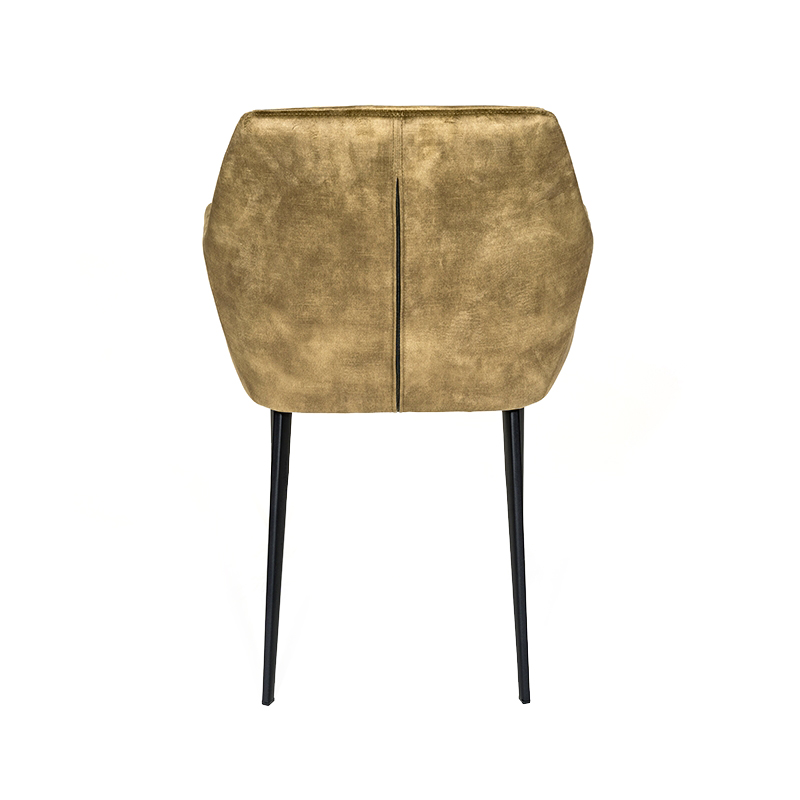 Stain-Resistant High-Back Fabric Dining Chair with Metal LegsThis commercial-grade dining chair features stain-resistant brown fabric and a high back for support. Its durable iron-leg frame suits restaurants and homes, making it a practical choice for high-traffic dining areas.View Product →
An accent chair is less about a table and more about the room around it. It is placed in waiting areas, living rooms, lobbies, retail showrooms, or bedroom corners. It can swivel, rock, recline, or come with an ottoman. The seat height is often lower than a dining chair — around 41 to 46 cm (16 to 18 in) — creating a relaxed pelvis angle and longer sit experience.
Accent chairs are not designed to be tucked under something. They are standalone pieces that invite a person to pause. For a contract project, this means the specification should focus on frame stability, cushion density, and the mechanism's life cycle rather than stain resistance alone.
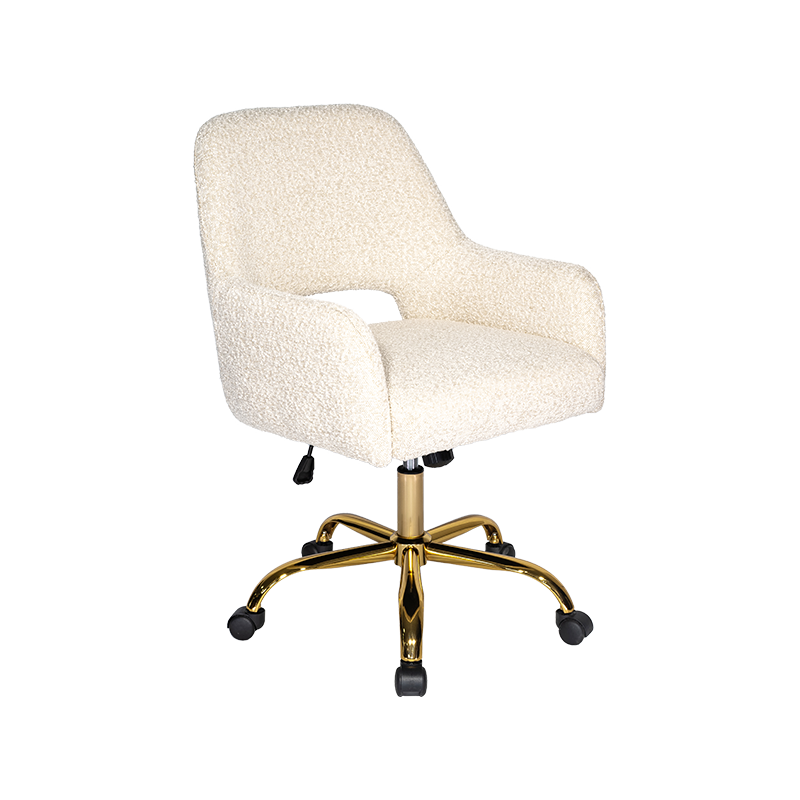
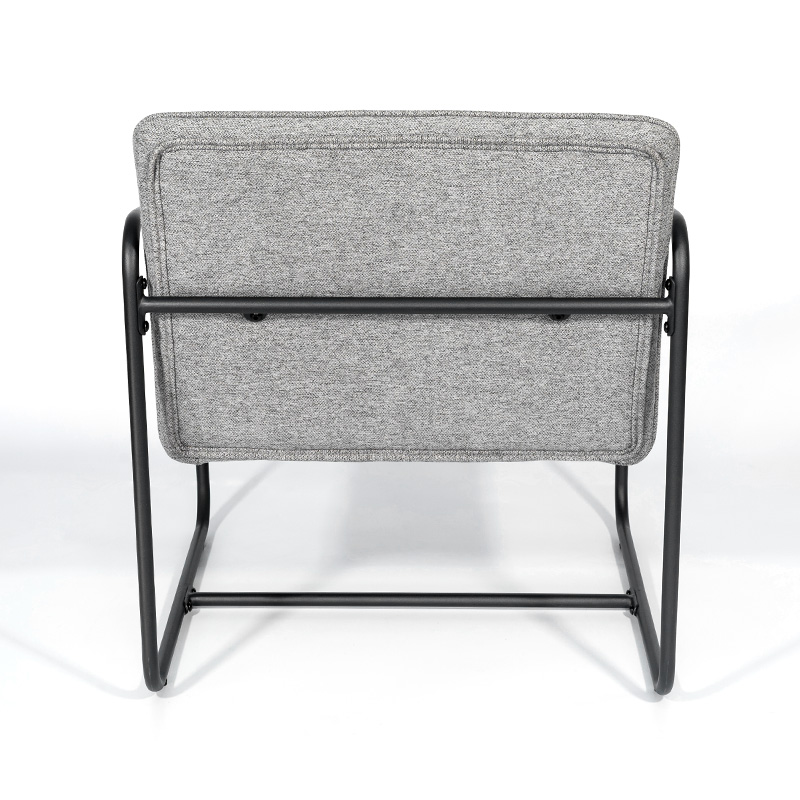 Boucle or Corduroy Upholstered Steel Lounge Accent ChairOffered in boucle or corduroy fabric, this steel-framed lounge chair provides padded comfort for offices, living rooms, and reception spaces. Its neutral proportions and durable build work well as a standalone accent piece.View Product →
| Feature | Dining Chair | Accent Chair |
|---|---|---|
| Primary use | Meals, work, casual dining | Lounging, waiting, visual styling |
| Seat height | 46–51 cm / 18–20 in | 41–46 cm / 16–18 in |
| Typical quantity | 4, 6, 8 matching units | 1, 2, or a mix of pairs |
| Durability focus | Daily use, spills, chair pull | Comfort, stability, fabric retention |
| Design role | Supportive and unobtrusive | Focal point and conversation piece |
These differences are not just aesthetic. If you order accent chairs for a dining table, the seat height can be too low for proper arm and plate position. If you use dining chairs in a lounge area, the upright posture may make guests feel like they are still in a meeting. The category choice changes the user experience.
Durability requirements are not the same across the two categories, so your specification sheet should reflect the real load pattern.
Dining chairs need stronger frames because they are dragged across floors, tilted forward, and subjected to daily impact. A steel frame with reinforced joints is a safe choice for high-turnover environments. Look for upholstery fabrics with Martindale abrasion results above 30,000 rubs for commercial use, and specify stain-resistant finishes where food is present.
Accent chairs, by contrast, are often loaded more slowly but with more static weight. If the chair has a swivel base, test the rotational mechanism for long-term stability and noise. If it comes with an ottoman, check the footrest connection. For a project that uses swivel dining chairs, treat the swivel mechanism with the same scrutiny—ask for the supplier's cycle test results before approving the sample.
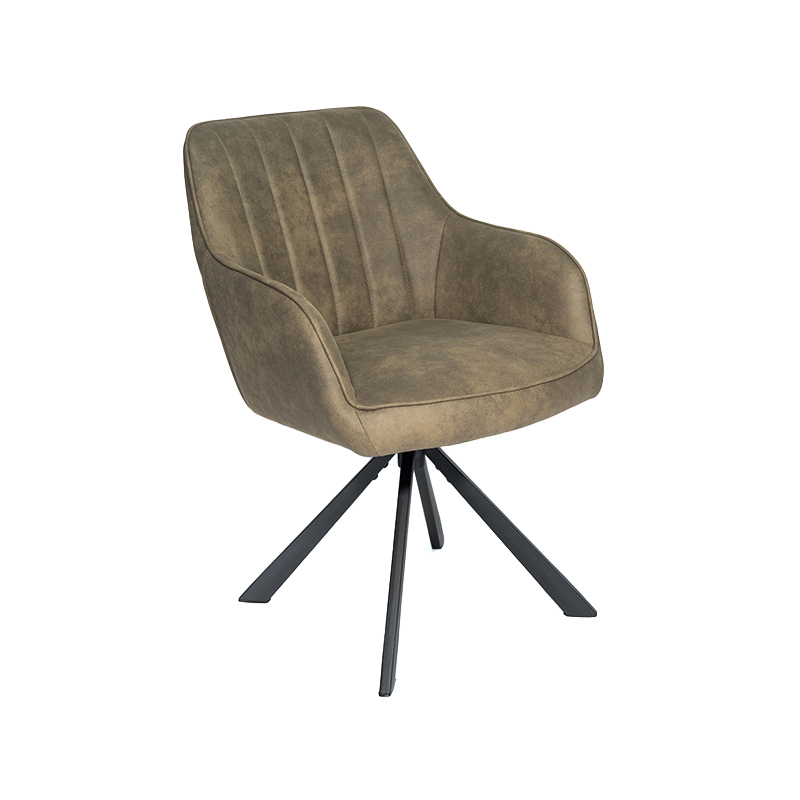
 360-Degree Swivel Fabric Dining Chair with Steel FrameThis padded dining chair rotates fully on a cold-rolled steel base, allowing easy movement around a table. Compact dimensions and soft upholstery make it suitable for modern kitchens and small dining areas.View Product →
Dining chairs usually play a supporting role. Their lines should not fight with the table, the pendant light, or the room's main visual elements. Slim silhouettes, neutral upholstery, and consistent detailing work best in a dining room. When sourcing for a chain restaurant, that consistency becomes part of the brand.
Accent chairs are the opposite. They are chosen to create a moment. Bouclé, corduroy, velvet, and leather all change the perceived value of a lounge area. In a hotel lobby, a pair of accent chairs in a warm fabric can define a seating area with no other decoration. In a showroom, they can draw a customer toward a product display. The same chair model can be dressed in different fabric colors to create variety without changing the frame.
A dining chair has to support upright sitting for 90 to 120 minutes. The seat depth should be around 45–50 cm (17.7–19.7 in), giving guests enough space without pressing the back of the knees. Back support should be present but not so reclined that the user slouches while cutting food.
An accent chair can afford a deeper seat, a more relaxed back angle, and a softer cushion. Arm height and width become more important because people linger in these chairs. For contract projects, asking three or four people of different body types to test a sample is more reliable than relying only on a spec sheet.
When you source either type in volume, the decision shifts from aesthetics to supply chain. Clarify the MOQ, sample lead time, production lead time, and packaging style. For a hotel or restaurant project, order spare fabric or same lot extras to cover breakage and future repairs.
Customization is another major factor. A contract supplier that understands ODM/OEM can adjust seat height, frame color, fabric grade, and even combine features like a swivel base with a dining chair profile. At Anji Beifeite, we offer custom design and development so projects do not have to settle for a stock item that is 80% right.
Before approving a factory, review its production capabilities and request relevant test reports. Check whether the supplier can handle B2B documentation, mixed container loads, and consistent quality across large batches. These are the details that keep a project on schedule.
Before finalizing an order, confirm:
Choose by function first, then by style. If your project needs efficient daily dining, invest in durable dining chairs with the right seat height and cleanable fabric. If the goal is a comfortable lounge or lobby experience, use accent chairs with deeper seats and expressive materials. Understand what each category does, specify the load and maintenance reality, and let your supplier customize the rest. That approach prevents expensive mistakes and gives you furniture that works for years.

Products
Contact info.
No 1255, Xingye Road, Tianzihu Modern Industrial Park, Anji County, Zhejiang Province, China
+86-13587919519
sales@bftfurniture.com
