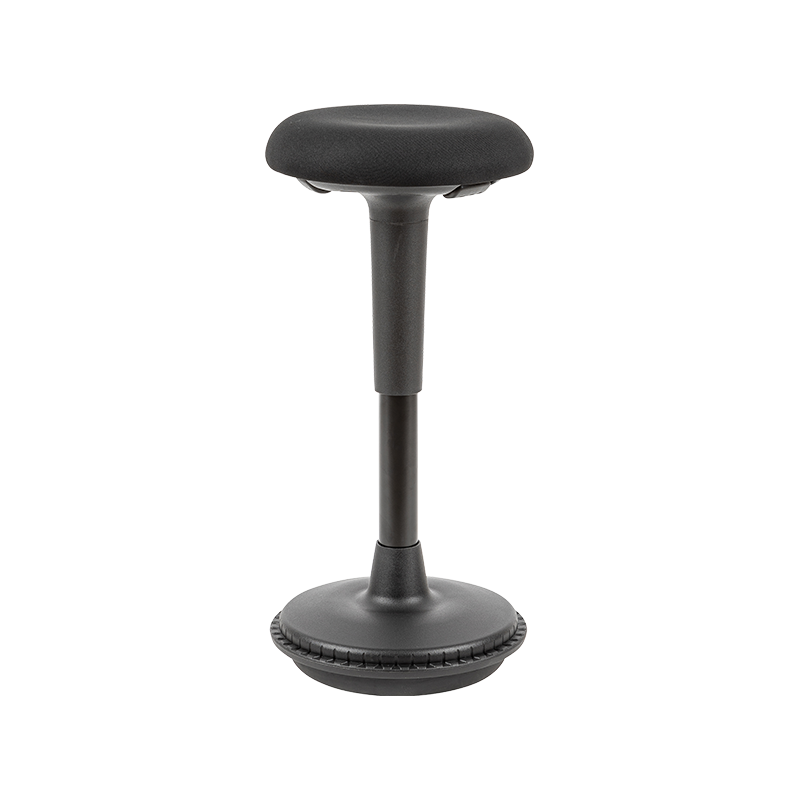
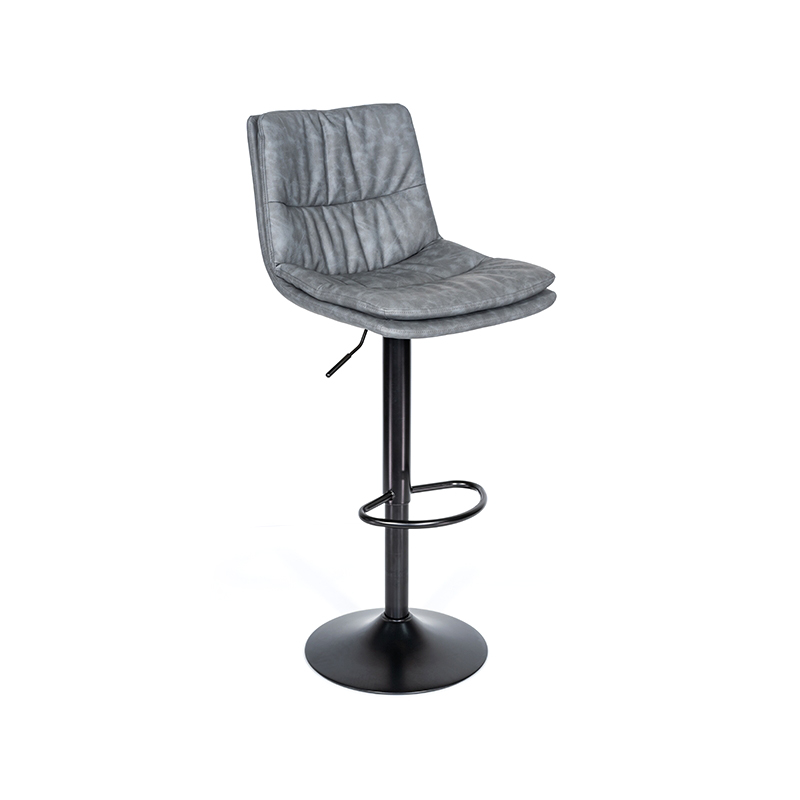
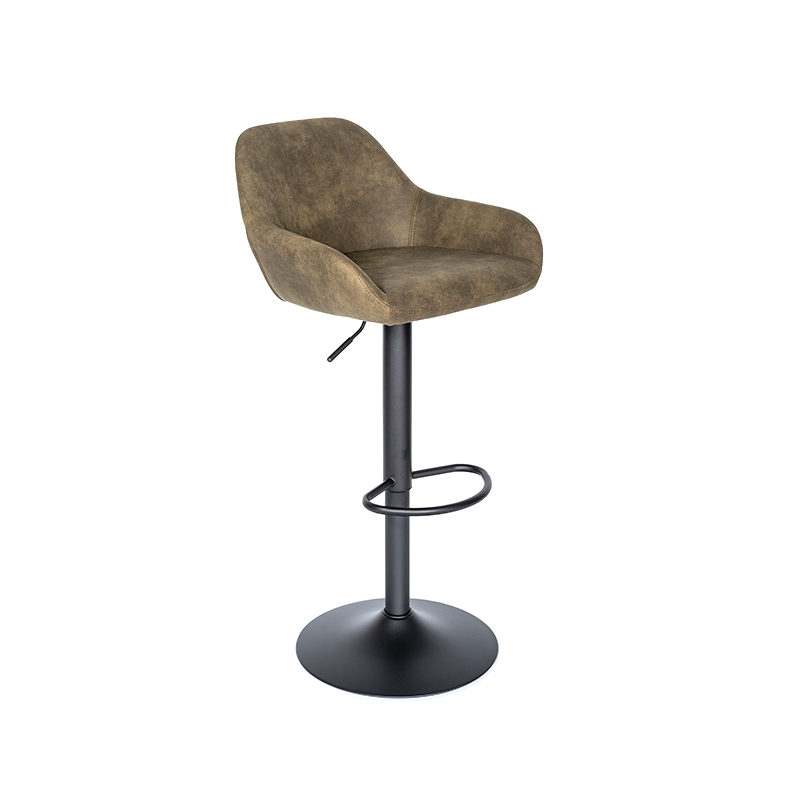
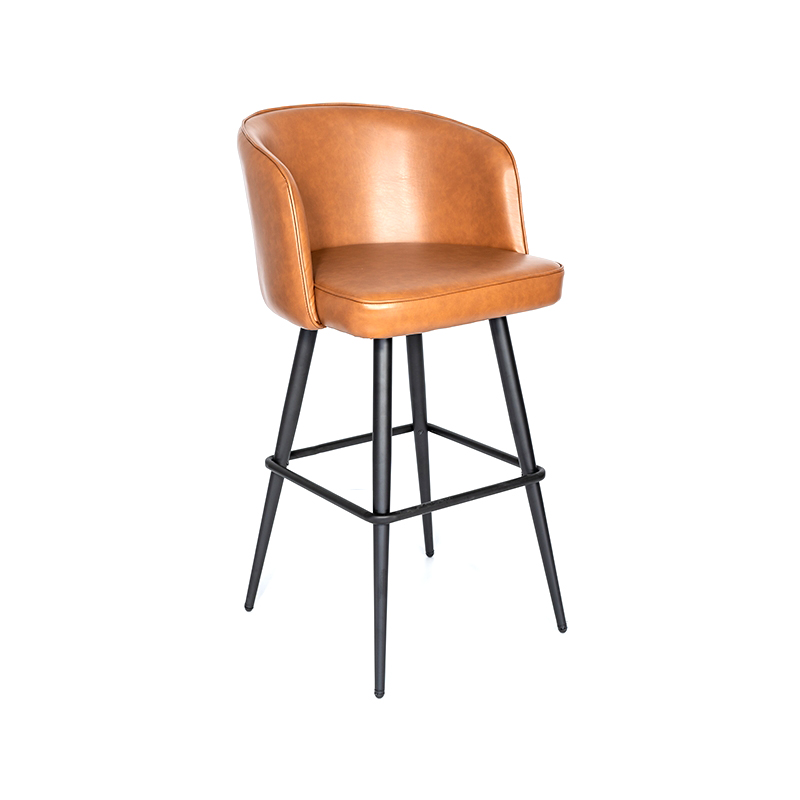
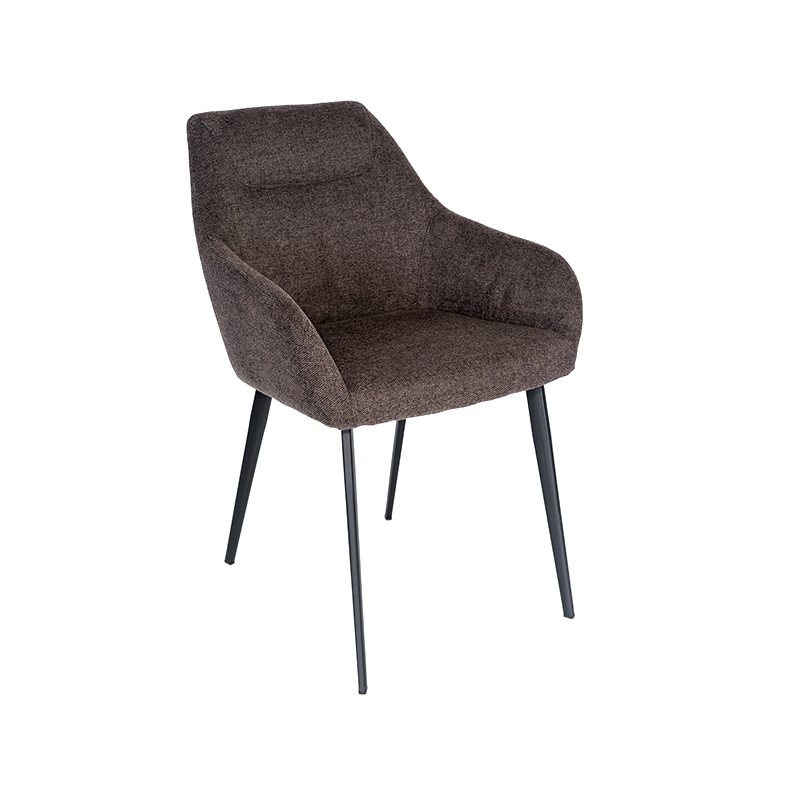
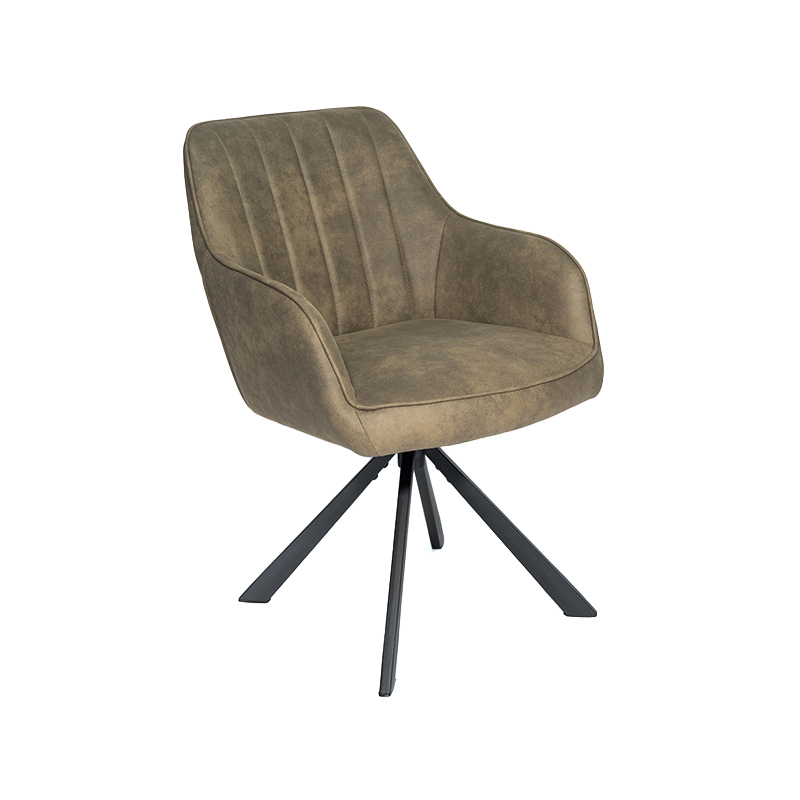
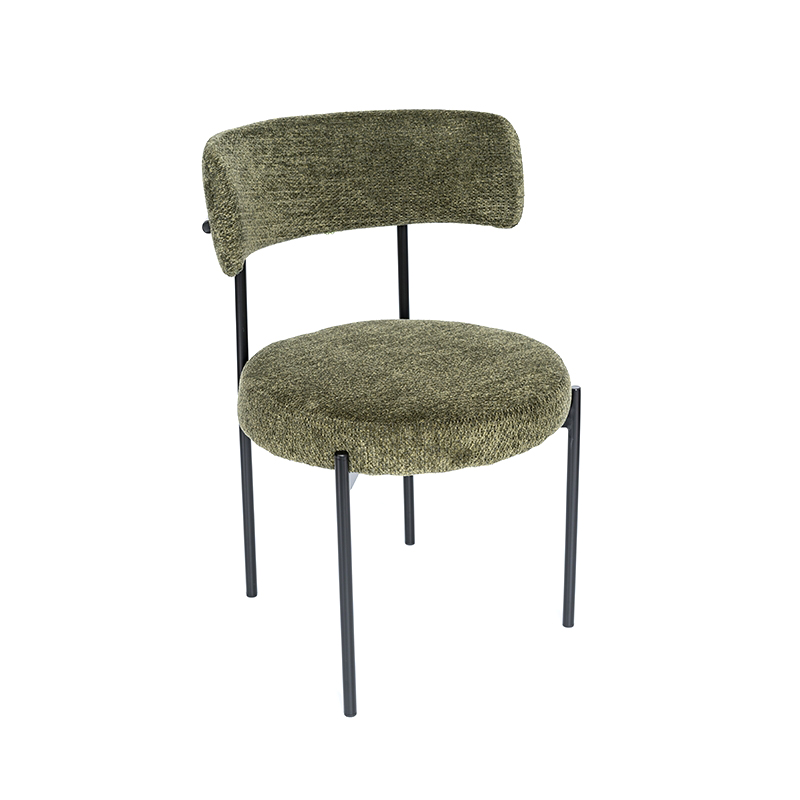
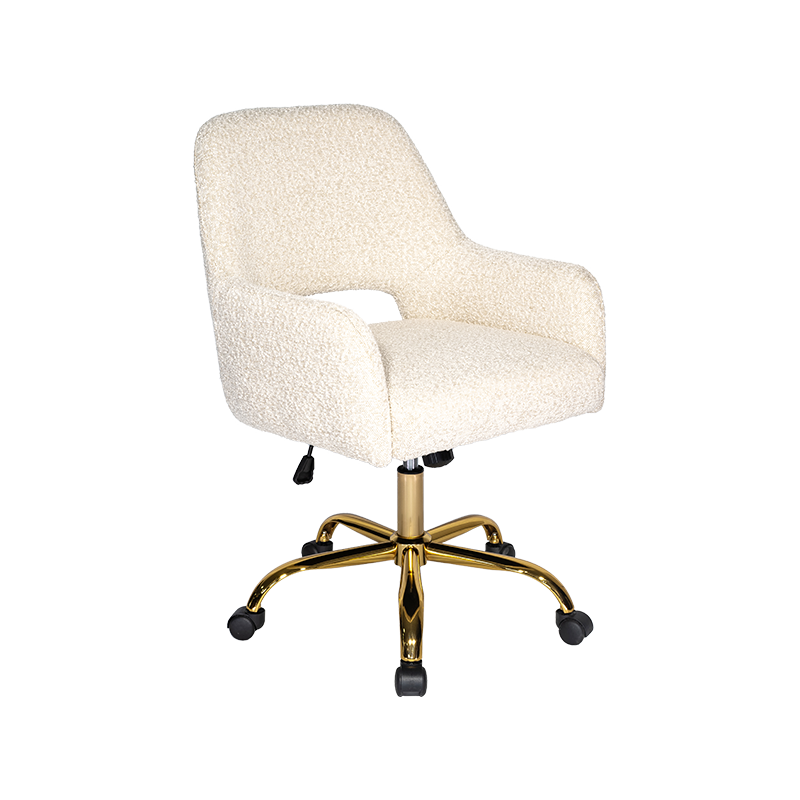
Anji Beifeite Furniture Co., Ltd., founded in 2017 in Anji, China, is an integrated manufacturer specializing in the engineering and production of diverse seating solutions. Operating within a 60,000-square-meter facility equipped with automated production lines, we focus on the structural synergy between ergonomic textile surfaces and high-tensile support structures. Our R&D team, with over 7 years of specialization, develops upholstered dining chairs with metal legs that prioritize material longevity and maintenance efficiency, ensuring that commercial and residential applications meet rigorous sanitation and durability standards.
Textile Morphology and Stain Resistance Parameters
- 1. Synthetic Polymer Fibers: For high-traffic dining environments, 100% Solution-Dyed Polyester or Polypropylene provides superior resistance to liquid penetration. Understanding why polyester is the best fabric for dining chairs involves analyzing its hydrophobic nature, which prevents aqueous stains from reaching the core of the yarn.
- 2. Microfiber Density: High-denier microfibers create a dense physical barrier that inhibits debris entrapment. This stain-resistant fabric vs velvet for upholstered chairs comparison highlights that while velvet offers aesthetic depth, microfibers provide a significantly lower Ra surface finish, facilitating easier mechanical removal of particulates.
- 3. Oleophobic Finishing: Advanced textiles undergo a fluorocarbon-free treatment to repel oils. Identifying the easiest-to-clean fabrics for upholstered dining chairs with metal legs requires verifying the AATCC 118 oil repellency grade, ensuring that fats and grease do not bond with the fiber matrix.
Structural Durability of Metal Support Systems
- 1. Alloy Specifications: We utilize Q235 carbon steel or 201/304 stainless steel for the support frames. The tensile strength of metal legs for dining chairs must exceed 370 MPa to support static loads of up to 150kg without elastic deformation.
- 2. Surface Coating Integrity: To prevent oxidation in humid dining areas, metal components undergo electrostatic powder coating or vacuum plating. Powder coated vs chrome finished metal chair legs testing shows that powder coating offers a higher resistance to impact and chemical cleaning agents.
- 3. Geometric Stability: Our 60,000sqm facility employs CNC bending to ensure uniform wall thickness, which is critical for preventing wobbling in metal leg dining chairs under dynamic load conditions.
Material Performance Matrix: Maintenance and Longevity
When selecting textiles for B2B procurement, technical parameters such as Martindale cycles and colorfastness determine the lifecycle cost of the furniture.
| Material Property |
Testing Standard |
Technical Specification (Performance Grade) |
| Abrasion Resistance |
ISO 12947-2 |
>50,000 Martindale Cycles |
| Pilling Resistance |
ISO 12945-2 |
Grade 4-5 |
| Colorfastness to Light |
ISO 105-B02 |
Class 5 (No Fading) |
| Seam Strength |
ISO 13936-2 |
>200N Load capacity |
Sanitization Protocols and Chemical Resistance
- 1. Solvent-Based Cleaning Compatibility: High-performance textiles must withstand pH-neutral cleaning agents. How to clean upholstered dining chairs with metal legs without damaging the finish involves using S-coded (Solvent only) or W-coded (Water-based) fabrics depending on the specific soil type.
- 2. Moisture Barrier Integration: To protect the internal high-density foam (35-45kg/m3), we offer breathable waterproof liners for upholstered chairs. This prevents liquid ingress from causing microbial growth within the padding.
- 3. Environmental Resistance: Anji Beifeite ensures that all upholstered dining chairs with metal legs comply with REACH and OEKO-TEX standards, certifying the absence of harmful volatile organic compounds (VOCs).
- 4. Friction and Heat Stability: Synthetic textiles are tested for pilling resistance of upholstery fabrics to ensure that repeated friction from clothing does not degrade the surface texture over 5,000+ usage cycles.
Engineering FAQ
- What is the best fabric for dining chairs if I have pets? Microfiber or high-density polyester is recommended due to its tight weave, which resists claw punctures and allows for easy fur removal.
- Does the metal leg finish affect cleaning protocols? Yes. Chrome finishes should be cleaned with non-abrasive microfiber cloths to prevent scratching, while matte powder coatings are more resilient to standard wipes.
- Are the fabrics fire-retardant? Yes, we can provide fabrics that meet CA117 or BS5852 fire safety standards for commercial and contract projects.
- How do I prevent rust on the metal legs in humid climates? Selecting 304-grade stainless steel or ensuring a high-micron powder coating (80-100μm) provides the necessary atmospheric corrosion resistance.
- Can the upholstery be removed for deep cleaning? While most models are fixed-upholstery for structural integrity, we offer customized designs with removable "slipcover" systems for high-maintenance environments.
Technical References
- ISO 12947: Textiles — Determination of the abrasion resistance of fabrics by the Martindale method.
- BIFMA X5.1: American National Standard for Office and Institutional Furnishings - General Purpose Office Chairs.
- ASTM D4157: Standard Test Method for Abrasion Resistance of Textile Fabrics (Wyzenbeek Method).

 English
 русский
 Español
 عربى
عربى