
 English
 русский
 Español
 عربى
عربى

No 1255, Xingye Road, Tianzihu Modern Industrial Park, Anji County, Zhejiang Province, China
Content
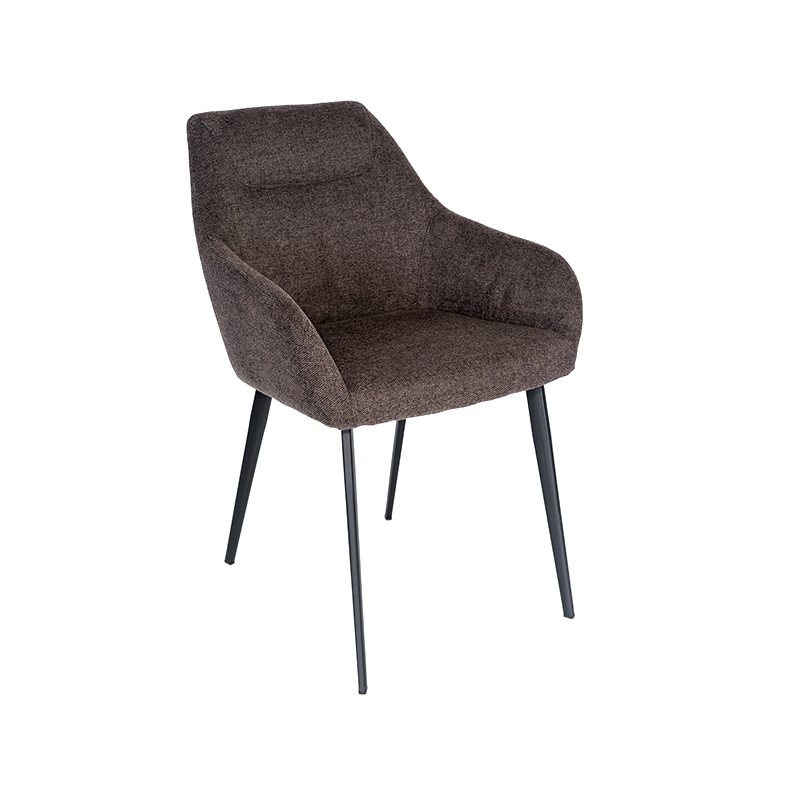
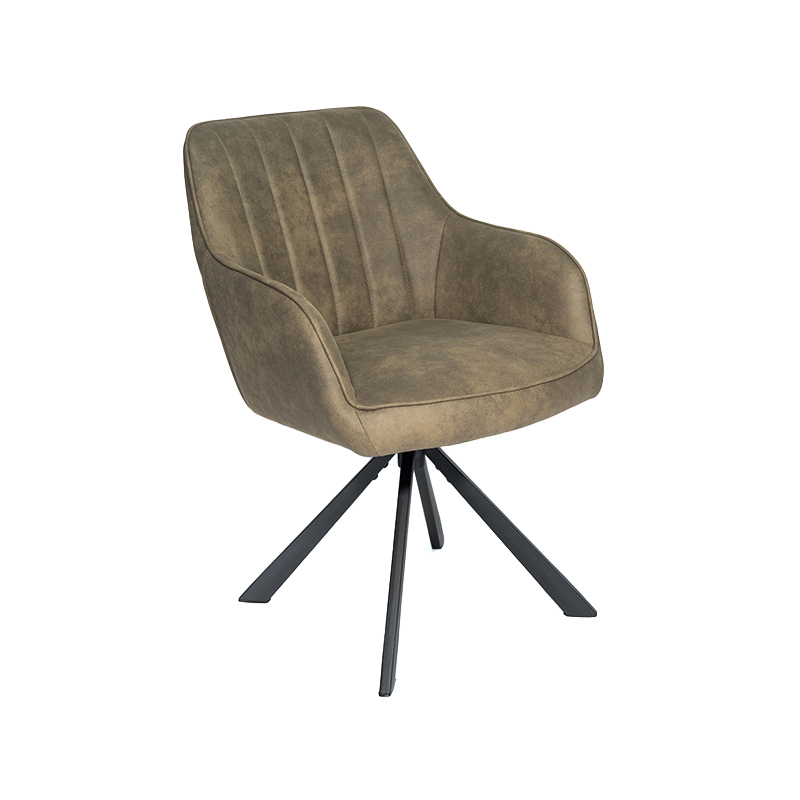
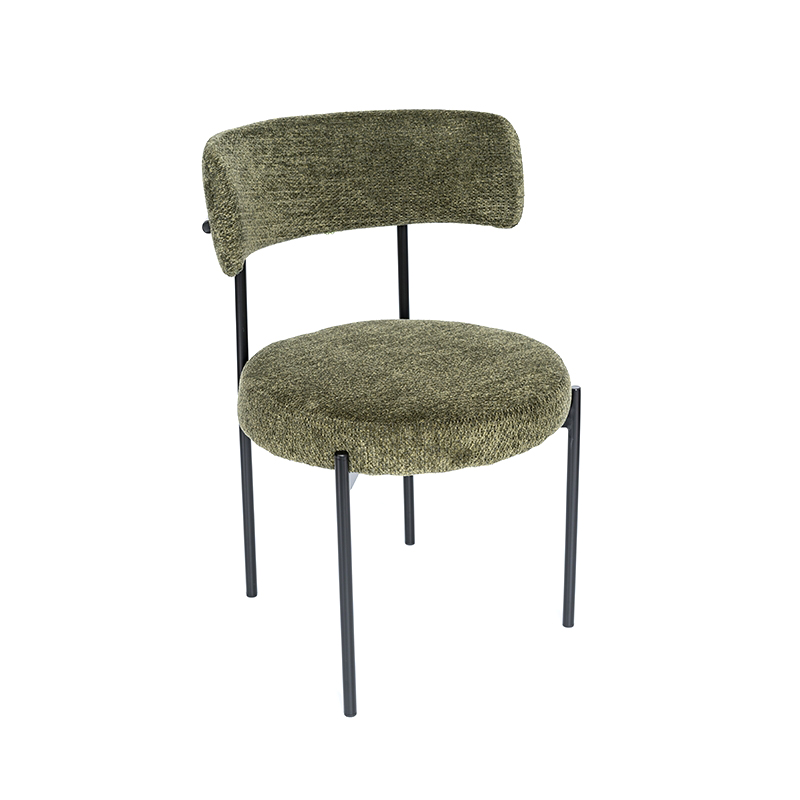
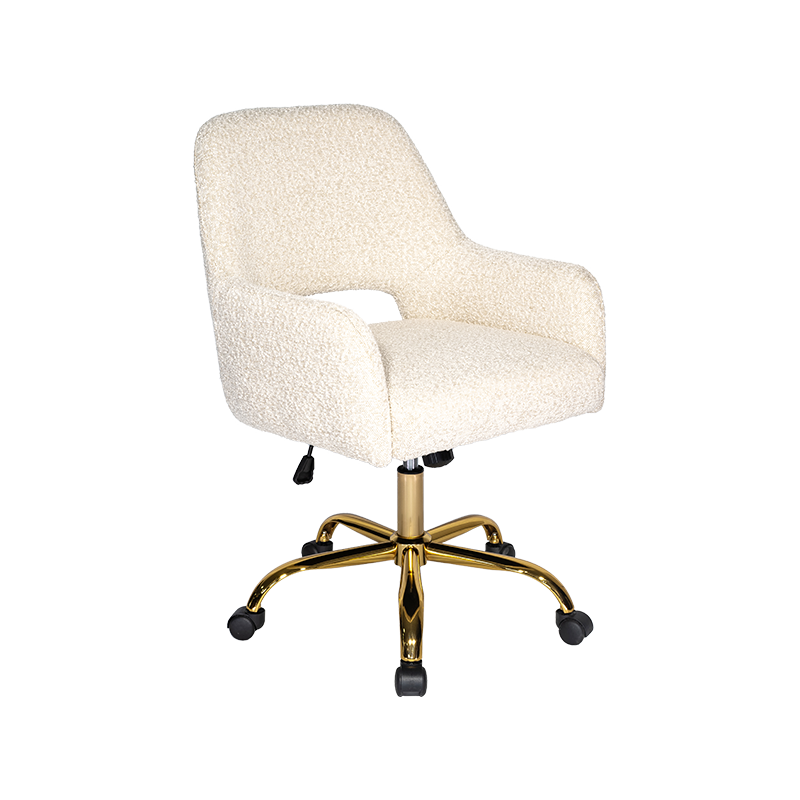
A fabric accent chair serves as a functional focal point that bridges the gap between comfort and interior styling. While their primary role is to introduce a new color or texture to a room, modern designs prioritize ergonomics, making them just as comfortable as primary seating when chosen with the correct seat depth and foam density.
The comfort of an accent chair is not accidental; it is a result of specific structural dimensions. To ensure a chair is suitable for more than just "decorative" use, look for these technical specifications:
| Feature | Measurement/Detail | Impact on Comfort |
| Seat Depth | 20 – 22 inches | Provides enough surface for thigh support without hitting the back of the knees. |
| Seat Height | 17 – 18 inches | Allows feet to rest flat on the floor, reducing pressure on the lower back. |
| Fill Material | 2.0+ lbs/cu. ft. foam | High-density foam ensures the seat retains its shape and support over years of use. |
Mixing a fabric accent chair with a leather sofa is a highly effective design strategy used to break up the visual "heaviness" of leather. The contrast between the cool, smooth surface of leather and the warm, textured weave of fabric creates a multi-layered aesthetic.
An accent chair is a versatile tool for defining spatial boundaries within an open-concept floor plan. Its utility extends beyond just extra seating.
Creating a Reading Nook: Position a fabric chair at a 45-degree angle to a corner, paired with a small side table and a floor lamp. This creates a dedicated "micro-zone" for relaxation away from the main television area.
Balancing the Room Layout: If your living room feels weighted heavily on one side due to a large sectional, placing two identical fabric accent chairs opposite the sectional restores symmetry and encourages conversation.
Bedroom Styling: In a master suite, a chair placed near a window or at the foot of the bed provides a practical spot for putting on shoes or lounging, elevating the room from a simple sleeping area to a full suite.
The material choice affects both the aesthetic and the maintenance requirements of the chair. Different weaves offer varying levels of durability measured by the "Double Rub" count (the Wyzenbeek test).
| Fabric Type | Durability Level | Best Environment |
| Polyester Blend | High (30,000+ rubs) | High-traffic family rooms and pet-friendly homes. |
| Velvet | Medium to High | Formal living rooms where a luxurious sheen is desired. |
| Linen/Cotton | Low to Medium | Low-traffic areas or decorative guest bedrooms. |
To maximize the impact of your chair, consider the silhouette in relation to your other furniture. If your sofa has thick, blocky arms, choose a fabric accent chair with exposed wooden legs or a slim metal frame to create "visual air" and prevent the room from looking overcrowded. Conversely, if your sofa is low-profile and modern, a winged-back fabric chair can add necessary height and architectural interest to the room's skyline.

Products
Contact info.
No 1255, Xingye Road, Tianzihu Modern Industrial Park, Anji County, Zhejiang Province, China
+86-13587919519
sales@bftfurniture.com
