
 English
 русский
 Español
 عربى
عربى

No 1255, Xingye Road, Tianzihu Modern Industrial Park, Anji County, Zhejiang Province, China
Content
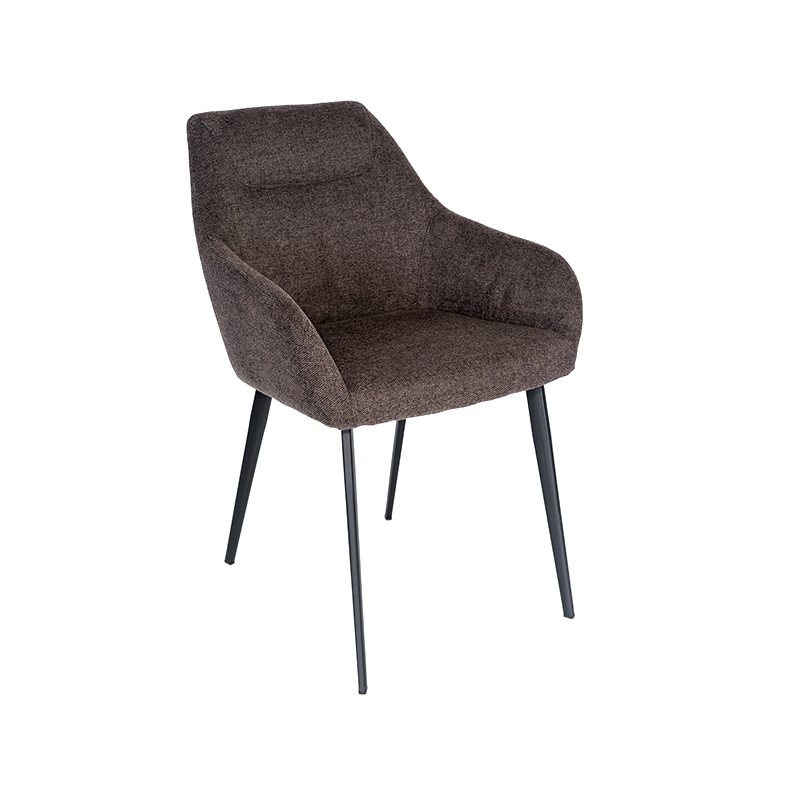
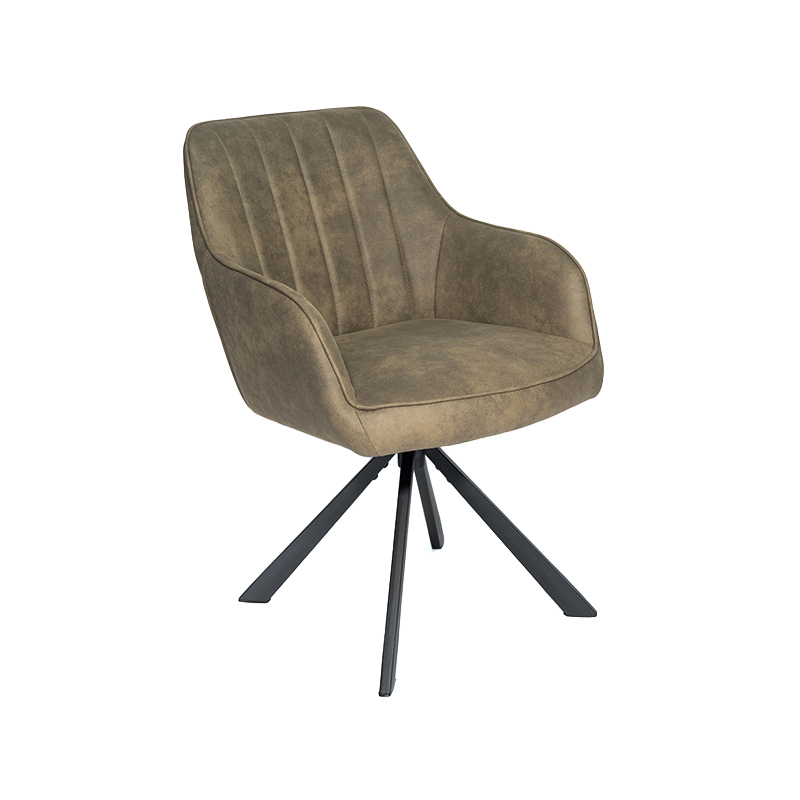
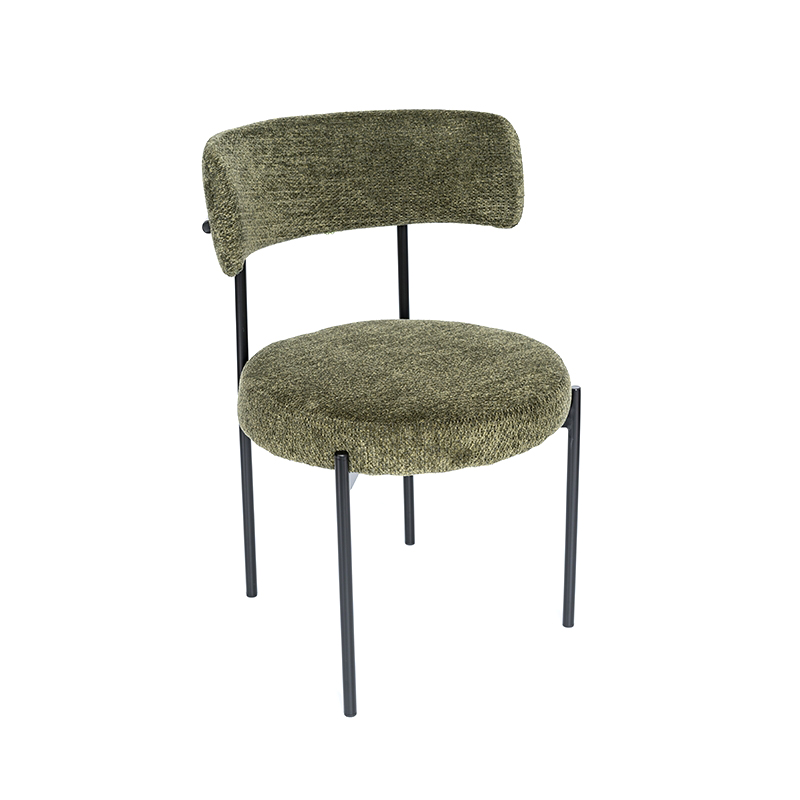
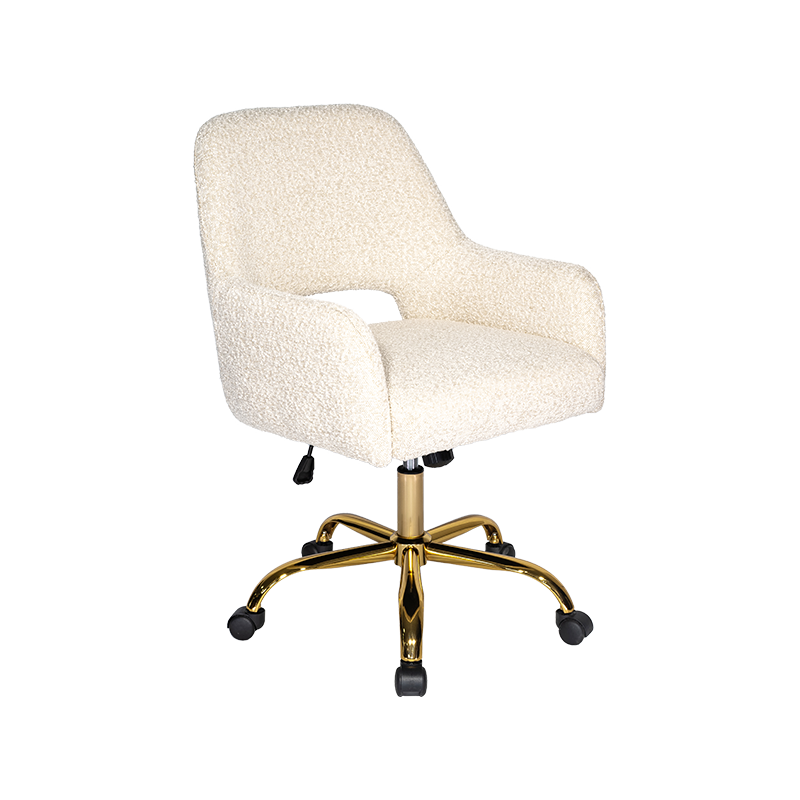
Fabric accent chairs do not need to match the sofa — in fact, a chair that contrasts deliberately with the sofa almost always produces a more considered, design-forward result than a matched set. The key is coordination through shared design language (colour family, scale, or material texture) rather than identity. And when it comes to reupholstering an accent chair, the fabric requirement typically falls between 2.5 and 5 yards (2.3 to 4.6 metres) depending on chair size, style, and whether the fabric has a pattern repeat that requires matching.
No — accent chairs are specifically intended not to match the sofa. The word "accent" in the name defines the function: an accent is a deliberate departure from the dominant element, not a repetition of it. A fabric accent chair placed beside a matching sofa disappears into the room. A fabric accent chair that contrasts — in colour, texture, pattern, or silhouette — becomes a design focal point and adds visual interest that a matched set cannot achieve.
Interior designers follow a principle called the "60-30-10 colour rule": 60% of a room's colour comes from the dominant element (walls and large furniture — typically the sofa), 30% from secondary elements (curtains, rugs, secondary seating), and 10% from accent pieces. The accent chair is precisely positioned in the 10% zone where contrast is not only permitted but expected. A sofa and accent chair sharing the same fabric belong in the 60% zone, which is why the look reads as monotonous.
| Relationship | Visual Result | Works Best When | Avoid When |
|---|---|---|---|
| Identical fabric to sofa | Matched suite look — formal, unified | Traditional or period interiors | Wanting character or visual interest |
| Same colour family, different texture | Tonal, layered — sophisticated | Minimalist or monochromatic schemes | Rooms that already lack contrast |
| Complementary colour (opposite on wheel) | High contrast — energetic, bold | Eclectic or modern interiors | Rooms with no existing anchor colour |
| Pattern vs plain (chair patterned, sofa plain) | Focused — chair as visual anchor | Most residential living rooms | Rooms with busy wallpaper or rugs already |
| Different style entirely (velvet chair, linen sofa) | Curated, collected look | Transitional and maximalist interiors | Strict minimalist or Scandinavian spaces |
The question of whether accent chairs should match the sofa depends on what "match" means. If matching means identical fabric, the answer is no for most contemporary interiors. If matching means sharing a design logic — a thread of colour, scale, or material that allows the chair and sofa to coexist coherently — then that coordination is essential. The difference between a room that looks intentionally designed and one that looks randomly assembled is almost always this coordination quality.
Calculating fabric for an accent chair reupholstery project requires accounting for four variables: the chair's style and number of upholstered sections, the fabric width, any pattern repeat, and wastage. Underestimating fabric is the most common project mistake — running out partway through is expensive, and getting an exact dye-lot match a second time is often impossible.
Base fabric requirements by chair type, using 54-inch (137 cm) wide fabric with a plain weave or small repeat:
| Chair Style | Upholstered Sections | Fabric Required | With Large Pattern Repeat |
|---|---|---|---|
| Parsons / fully upholstered | Back (inside + outside), seat, arms, seat deck | 4.5–5 yards (4.1–4.6 m) | 5.5–7 yards (5.0–6.4 m) |
| Barrel / tub chair | Curved back, seat, inside arms (continuous) | 4–4.5 yards (3.7–4.1 m) | 5–6 yards (4.6–5.5 m) |
| Wing chair | Back, seat, wings, inside/outside arms | 5–6 yards (4.6–5.5 m) | 7–9 yards (6.4–8.2 m) |
| Slipper / armless chair | Back and seat only | 2.5–3 yards (2.3–2.7 m) | 3.5–4.5 yards (3.2–4.1 m) |
| Club chair with cushion seat | Back, arms, boxed seat cushion, seat deck | 4–5 yards (3.7–4.6 m) | 5.5–7 yards (5.0–6.4 m) |
A large pattern repeat — a botanical print with a 24-inch (61 cm) vertical repeat — means each cut piece must be positioned so the pattern falls at the same point on every section. On a wing chair requiring 8 cuts, that adds 8 x 2 feet = 16 feet, or approximately 1.8 additional yards. The working rule: add one full repeat length (in yards) to the total base yardage as a safe allowance for any fabric with a dominant repeat above 12 inches.
The fabric choice determines how the chair looks, how long it lasts, and how easily it can be cleaned. The following fabric types are most commonly used on accent chairs, each with distinct trade-offs between aesthetics and practicality:
Beyond fabric, the scale, profile, and leg finish of a fabric accent chair determines whether it integrates successfully with the room's existing composition. A chair that is correct in fabric but wrong in scale reads as clearly as a fabric mismatch.

Products
Contact info.
No 1255, Xingye Road, Tianzihu Modern Industrial Park, Anji County, Zhejiang Province, China
+86-13587919519
sales@bftfurniture.com
