
 English
 русский
 Español
 عربى

No 1255, Xingye Road, Tianzihu Modern Industrial Park, Anji County, Zhejiang Province, China
Content
For volume buyers, a beautiful prototype is not the goal; a production run that matches it is. Chair quality problems often show up only after the first container arrives, and the root cause is usually not the factory's skill. It is the gap between design intent and manufacturing execution. Integrated furniture design and manufacturing solves that gap by making the same organization responsible for both. At Anji Beifeite Furniture, a 60,000-square-meter facility in Anji, China's chair industry town, design, development, and production operate as one workflow so consistent chair quality is built into every order.
Integrated furniture design and manufacturing means more than co-locating designers and production lines. It means design decisions are made with manufacturing constraints already included. For chairs, that includes steel tube thickness, weld junction design, foam density, fabric abrasion rating, gas lift cycle life, and metal finish. When design and engineering sit with production, these parameters are not just notes on a drawing; they are part of the manufacturing plan.
Buyers benefit from an earlier design review, smoother sampling, and fewer misunderstandings. Our design and customization service uses this model to turn a customer's idea into a production-ready chair without introducing unnecessary conversions between teams.
Split-process production works in some industries, but chairs expose its weaknesses. A design studio sends drawings to a factory; the factory sub-contracts welding; another workshop supplies upholstery; a trading company assembles and ships. Every handoff is a chance for specifications to change. The product that arrives may look similar but feel different, weigh different, or fail sooner. This is why buyers should look beyond the sample and ask how specifications are controlled in each production stage.
| Production Stage | Split-Process Risk | Integrated Approach |
|---|---|---|
| Design translation | Drawings interpreted differently by outside factories | Design files include production tolerances and finishing notes |
| Material choice | Substitutions made without approval | Materials are selected and approved before sample production |
| Frame fabrication | Tolerance drift in tube bending and welding | Controlled metal processes with fixed fixtures and gauges |
| Fabric and foam | Inconsistent cutting, sewing, or density | Standardized upholstery procedures and incoming material checks |
| Assembly and QA | Final inspection catches defects too late | Inline checks at each stage plus final batch verification |
Custom projects are where integration creates the largest quality advantage. When a buyer requests a different fabric, a taller backrest, or a different metal finish, those changes do not need to travel through an external chain. They are handled by the same design engineers who know what the production line can do consistently.
Every custom request moves from a reference image or sketch into a production drawing that defines materials, dimensions, and finish. This drawing becomes the control document for all downstream work.
Before bulk production, we make a physical sample. The customer approves not just the look but also the feel and movement. That approved sample is then kept as the reference for production batches, so comparison is objective rather than subjective.
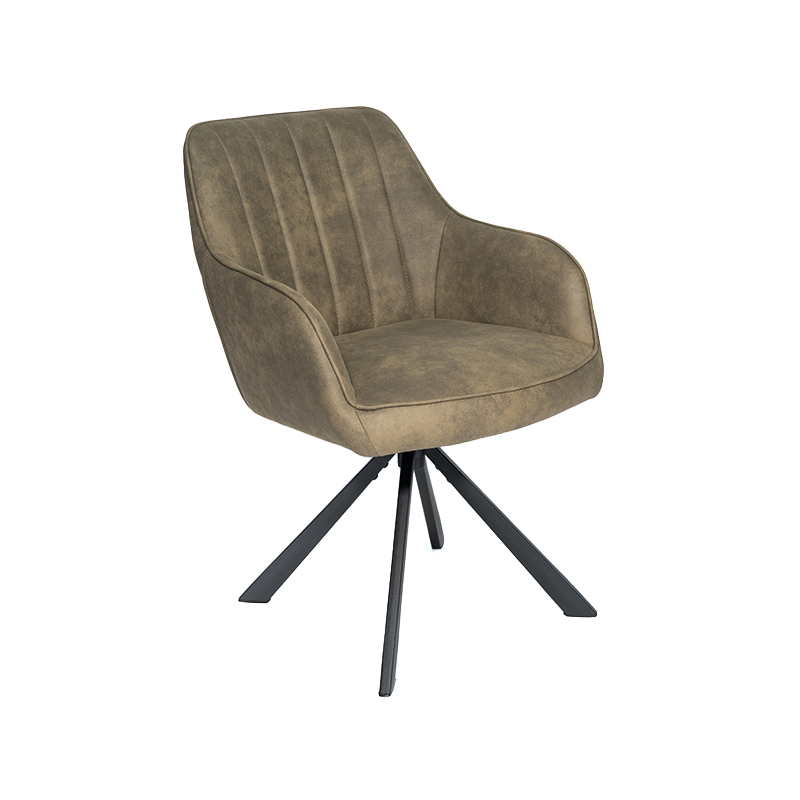
 360-Degree Swivel Fabric Dining Chair with Steel Frame and Padded UpholsteryThis dining chair combines a cold-rolled steel base with a 360-degree swivel and generously padded fabric seat and backrest. Its compact dimensions suit kitchen counters and small dining areas, making it a practical choice for everyday use and light commercial settings.View Product →
The final engineering step turns the approved design into a repeatable production plan. It accounts for cutting patterns, seam allowances, weld points, hardware selection, and packaging. This step is often missing in split-process sourcing, which is why consistency fails after the first batch.
Consistent quality is not an abstract result. It comes from controlling the materials that go into every chair and the processes that turn them into furniture. For a manufacturer who also designs, that control starts with material specifications: steel for frames, fabric for upholstery, foam for cushioning, and mechanisms for swivel or lift functions.
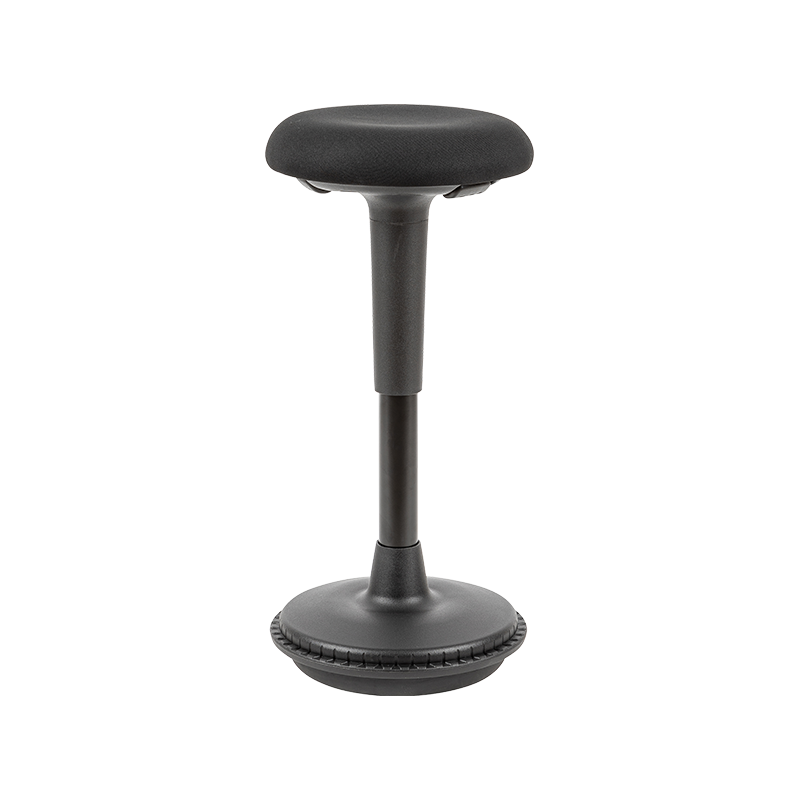
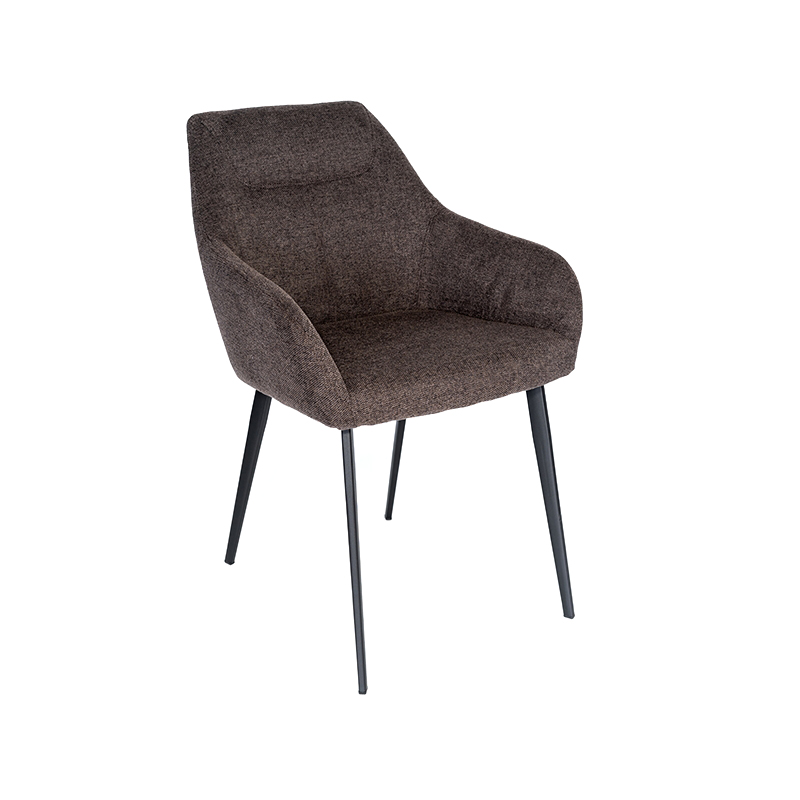
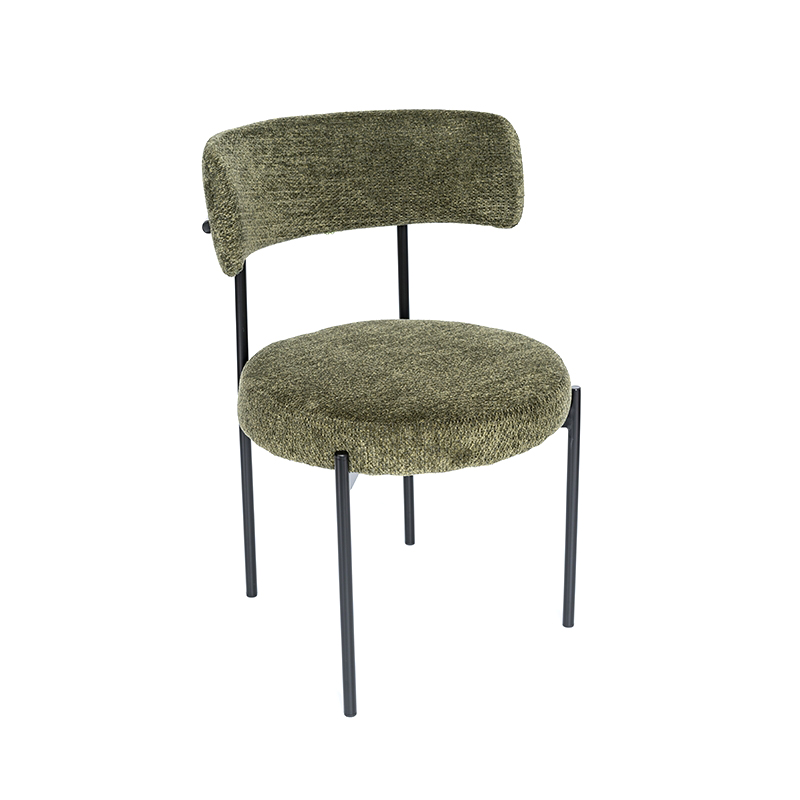
Our manufacturing process applies these controls across dining chairs, bar stools, office chairs, accent chairs, rocking chairs, and wobble stools. The same rules that keep a steel-framed swivel dining chair stable also apply to a height-adjustable bar stool or a modern fabric office chair.
Functional seating products—office chairs, bar stools, and task chairs—put more stress on quality control than static dining chairs do. Swivel mechanisms, gas lifts, wheels, and adjustable-height stools all need to work identically in every unit. A small variation in the thickness of an electroplated leg, for example, can affect both appearance and stability. That is why an office chair with a modern fabric swivel base, or a bar stool with a height adjustment, goes through the same material and testing discipline as a steel-framed dining chair.
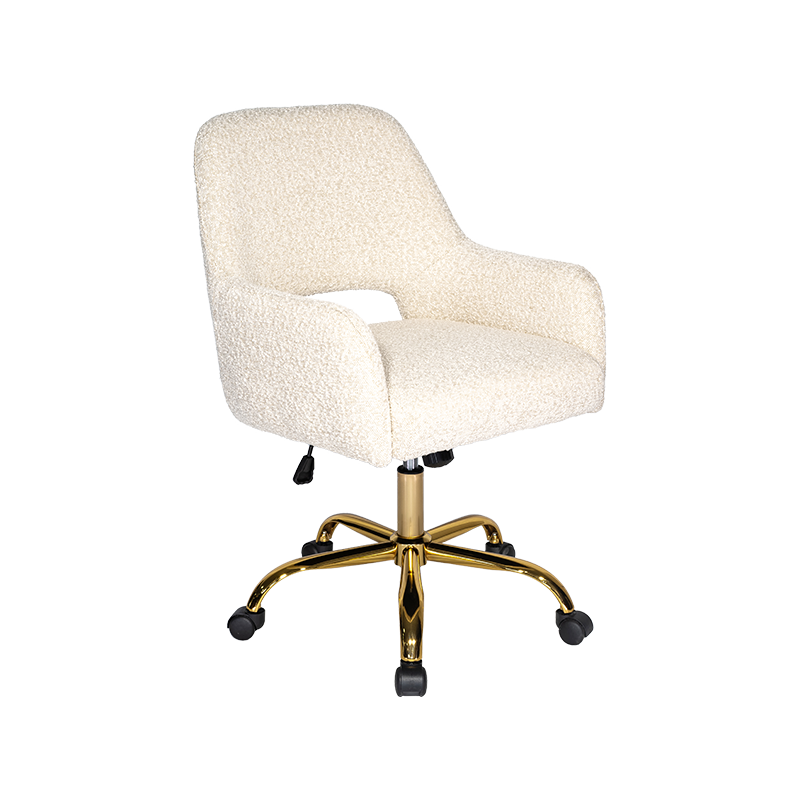
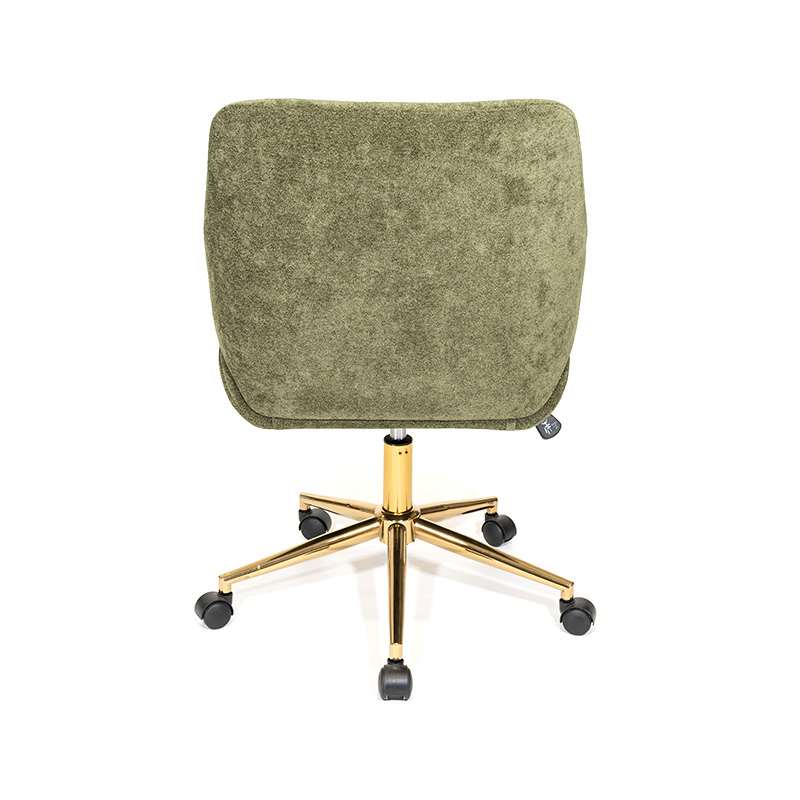 Modern Fabric Swivel Chair with Golden Base for Home or OfficeThis office chair features a gold-tone iron base, smooth 360-degree swivel, five casters, and height-adjustable seat. The ergonomic fabric upholstery supports comfortable work sessions, making it suitable for home offices, living rooms, dining spaces, and commercial environments.View Product →
This matters for furniture brands and commercial buyers who need to match chairs with dining tables, counters, desks, or lounge areas. When one manufacturer controls both design and production, a new product can be developed from the same quality framework rather than re-invented by a different supplier.
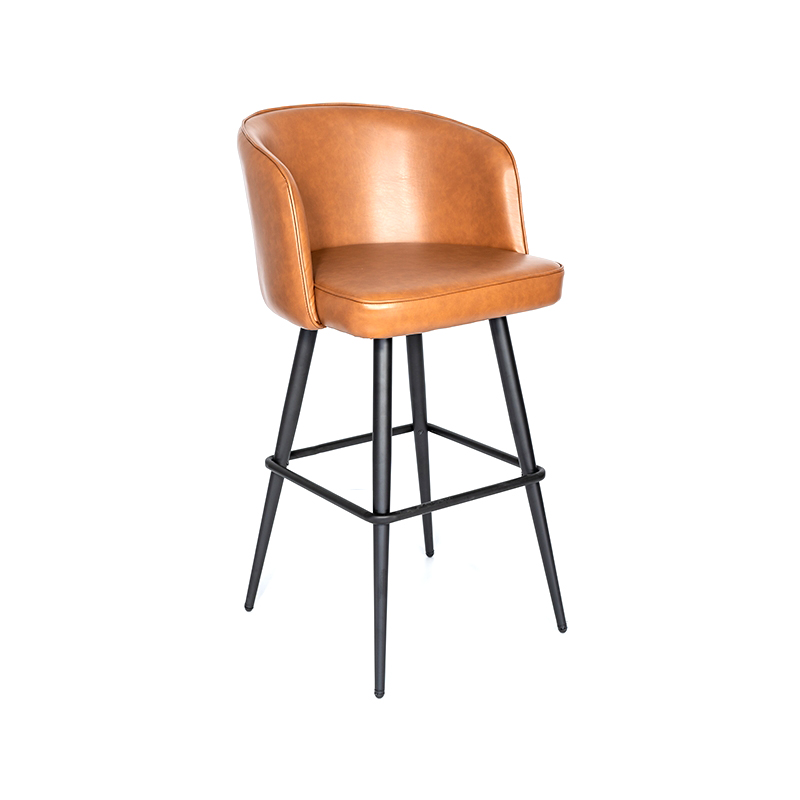
Bar stools are often used in high-traffic environments where customers twist, slide, and lean. A bar stool that rocks because of uneven feet or a gas lift that fails after a few months will quickly become a replacement cost. Integrated manufacturing keeps those details under control: the same engineers who design the stool also specify the steel and the lift mechanism.
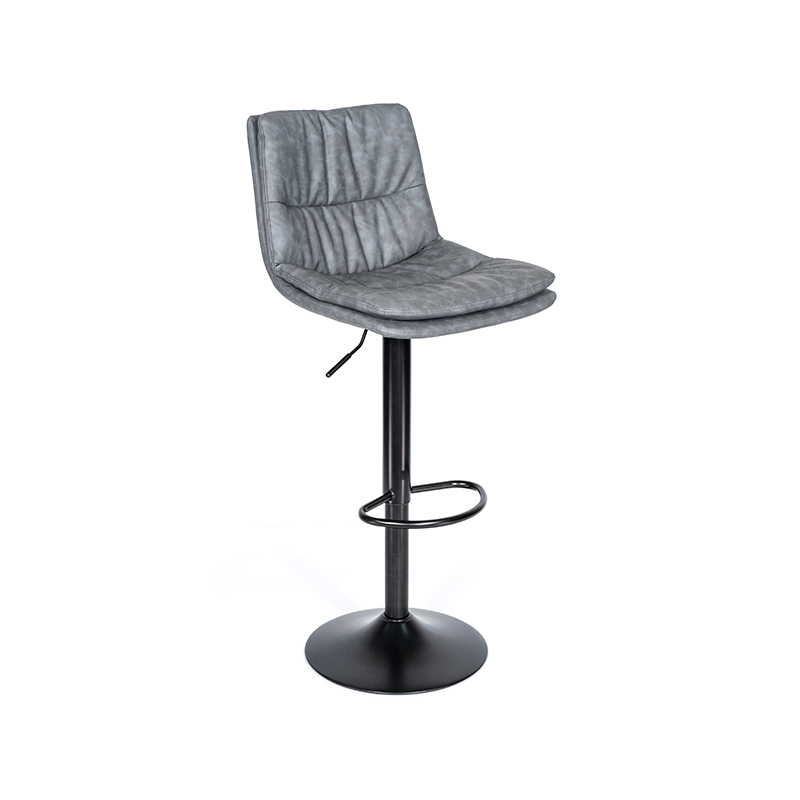
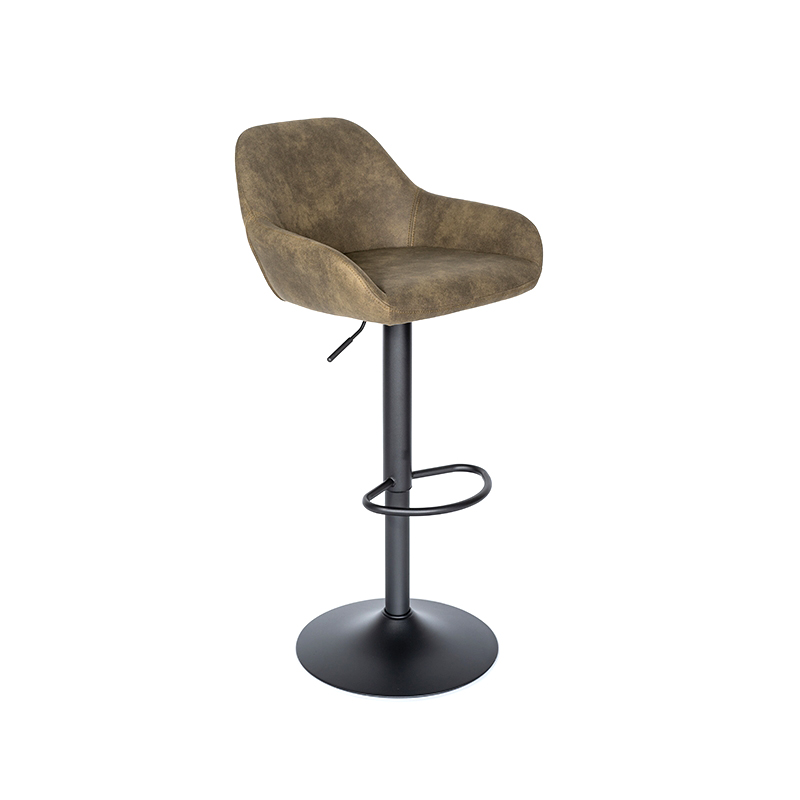
 Height-Adjustable Fabric Bar Stool with Backrest and Swivel in Grey, White, or BrownThis bar stool offers stepless pneumatic height adjustment, a 360-degree swivel, and a curved backrest wrapped in soft suede fabric. Its metal footrest and non-slip base provide stability, making it suitable for bar counters, kitchen islands, and high-top tables in busy settings.View Product →
Height-adjustable bar stools are especially demanding because moving parts introduce more failure points. The integrated approach ensures that the adjustment mechanism, the foot ring, and the seat attachment are all considered as one system rather than separate parts from different suppliers.
Beyond product quality, integrated design and manufacturing gives buyers operational advantages.
For importers, brands, and commercial furniture buyers, chair quality should be a predictable outcome, not a lucky result. Integrated furniture design and manufacturing delivers that outcome by aligning every decision around one goal: producing chairs that match the approved sample, order after order. This is not a theoretical advantage; it is the way we run our factory in Anji, and the reason our customers trust us with repeat orders, ODM development, and custom manufacturing.

Products
Contact info.
No 1255, Xingye Road, Tianzihu Modern Industrial Park, Anji County, Zhejiang Province, China
+86-13587919519
sales@bftfurniture.com
