
 English
 русский
 Español
 عربى
عربى

No 1255, Xingye Road, Tianzihu Modern Industrial Park, Anji County, Zhejiang Province, China
Content
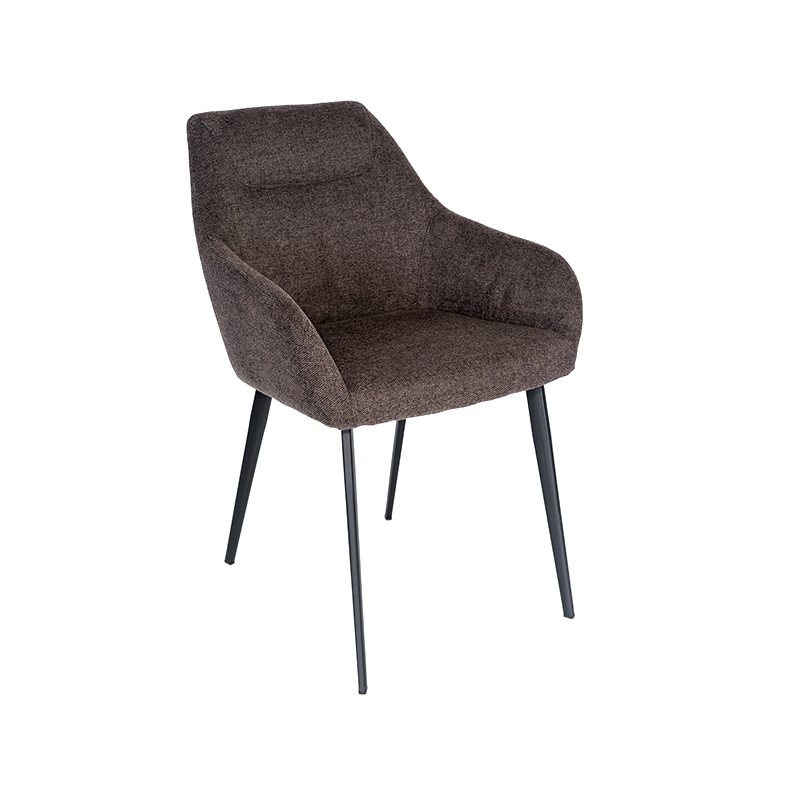
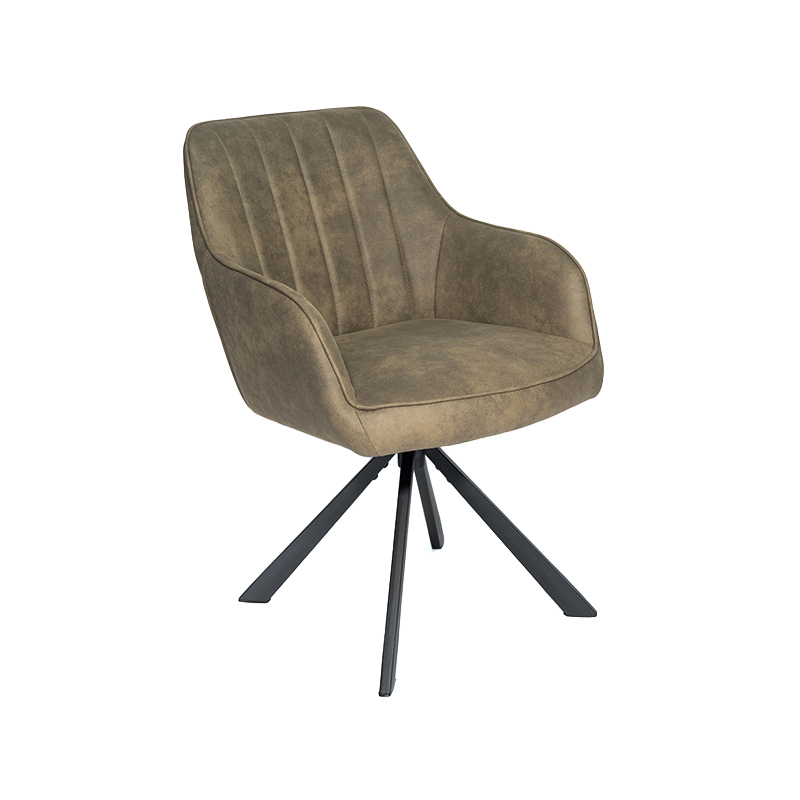
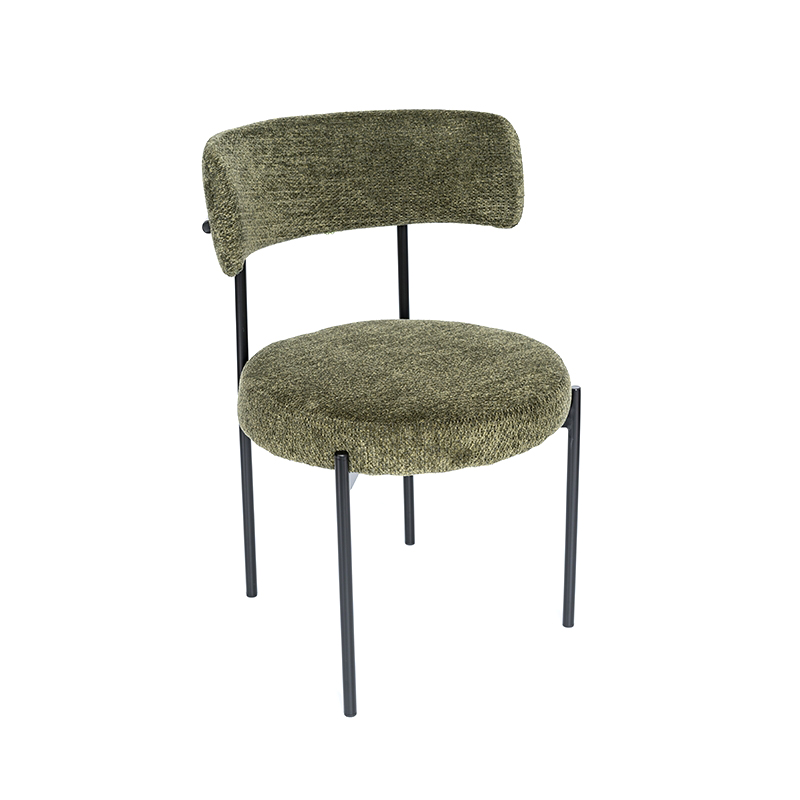
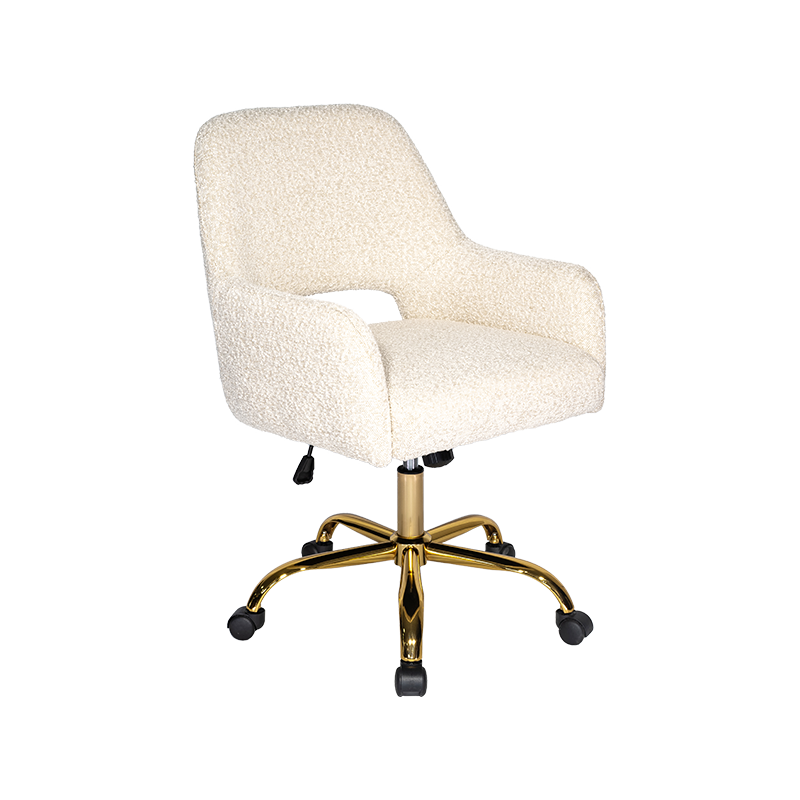
An Easy to Clean Stain Resistant High Back Dining Chair has to do two jobs at once: hold up visually in a dining room or restaurant setting, and survive daily spills, wiping, and wear without looking tired after a few months. For furniture wholesalers, hotel procurement teams, and restaurant suppliers, the difference between a chair that lasts and one that needs early replacement usually comes down to upholstery material, coating quality, and frame construction — details that aren't always obvious from a product photo.
High back dining chairs are built around a few core upholstery approaches, each with a different balance of look, feel, and cleaning performance.
A smooth, wipeable surface that resists moisture absorption, making spills easy to clean before they set into the material.
Treated fabric upholstery offers a softer look and feel while still resisting liquid absorption through a stain-repellent finish.
Fully sealed upholstery surfaces designed for maximum spill resistance, often specified for high-traffic commercial settings.
Beyond material, high back dining chair upholstery choice also shapes the room's overall look, while modern dining room chair design trends generally favor clean lines and a tailored, upright silhouette that suits both residential and commercial spaces.
| Chair Type | Cleaning Method | Best Setting |
|---|---|---|
| PU Leather Dining Chair | Wipe clean | Restaurants, high-traffic areas |
| Fabric Stain Resistant Chair | Blot and spot clean | Homes, hotel dining rooms |
| Waterproof Dining Chair | Wipe or rinse | Cafes, banquet halls |
Where a chair is used shapes which properties matter most — a home dining room and a busy restaurant floor place very different demands on the same piece of furniture.
Needs to withstand frequent spills, repeated wiping, and heavy daily use without visible wear.
Balances a polished appearance with the durability required for continuous guest turnover.
Prioritizes comfort and style while still handling everyday family meals and occasional spills.
Requires chairs that clean quickly between large events and stack or store efficiently.
Favors compact, easy-clean chairs suited to quick table turnover and casual dining traffic.
A chair's long-term performance depends on properties that aren't always visible in a showroom or product photo.
Even a well-made stain resistant chair benefits from consistent care to maintain its appearance over years of use.
Wipe down surfaces at the end of each service period rather than waiting for visible buildup, especially in restaurant and cafe settings.
Use cleaning products appropriate to the specific material — PU leather and fabric respond differently to cleaning agents.
Address spills promptly, blotting rather than rubbing, to make the most of the upholstery's stain resistant properties.
A dining chair upholstered with a material or coating designed to repel liquids and resist staining, making spills easier to clean before they set.
Yes, PU leather's smooth, non-porous surface generally wipes clean quickly compared to untreated fabric.
The best choice depends on setting — PU leather suits high-spill environments, while treated fabric offers a softer feel for lower-traffic settings.
Quality stain resistant coatings and materials do reduce how easily liquids absorb into upholstery, though prompt cleaning still matters for the best results.
Lifespan depends on material quality, frame construction, and daily use intensity, so it's best discussed with the manufacturer against your specific traffic volume.
Yes, fabric can be treated with a stain-repellent finish that helps resist liquid absorption while keeping a soft textile appearance.
Choosing the right easy to clean stain resistant high back dining chair means weighing upholstery material, coating quality, and frame durability against how the chair will actually be used. A chair chosen for its look alone may not hold up under daily restaurant traffic, while one chosen purely for durability may not fit the room it's meant to complete. The best selections balance both.

Products
Contact info.
No 1255, Xingye Road, Tianzihu Modern Industrial Park, Anji County, Zhejiang Province, China
+86-13587919519
sales@bftfurniture.com
