
 English
 русский
 Español
 عربى
عربى

No 1255, Xingye Road, Tianzihu Modern Industrial Park, Anji County, Zhejiang Province, China
Content
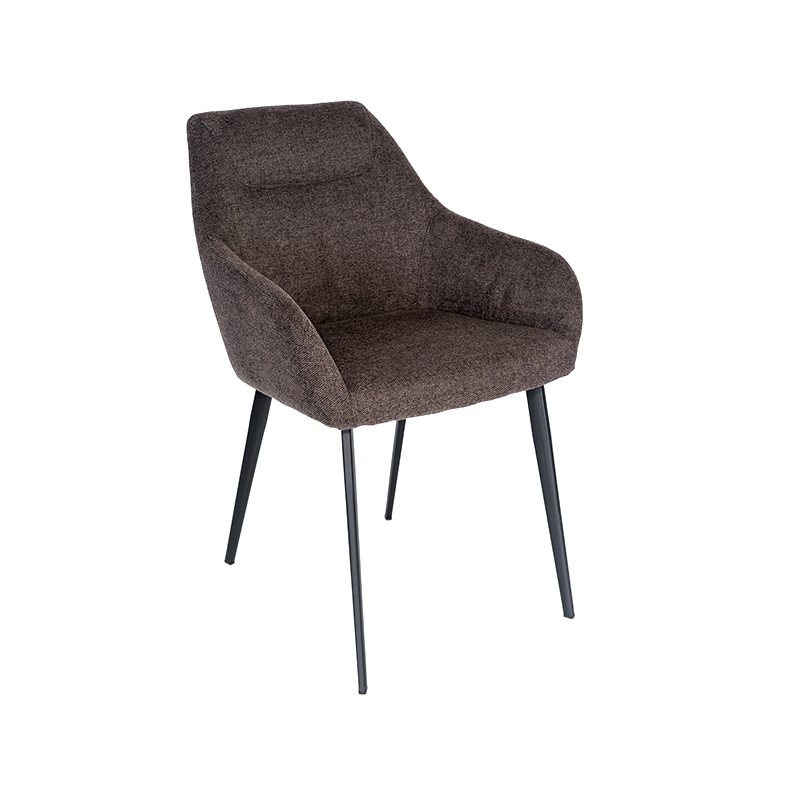
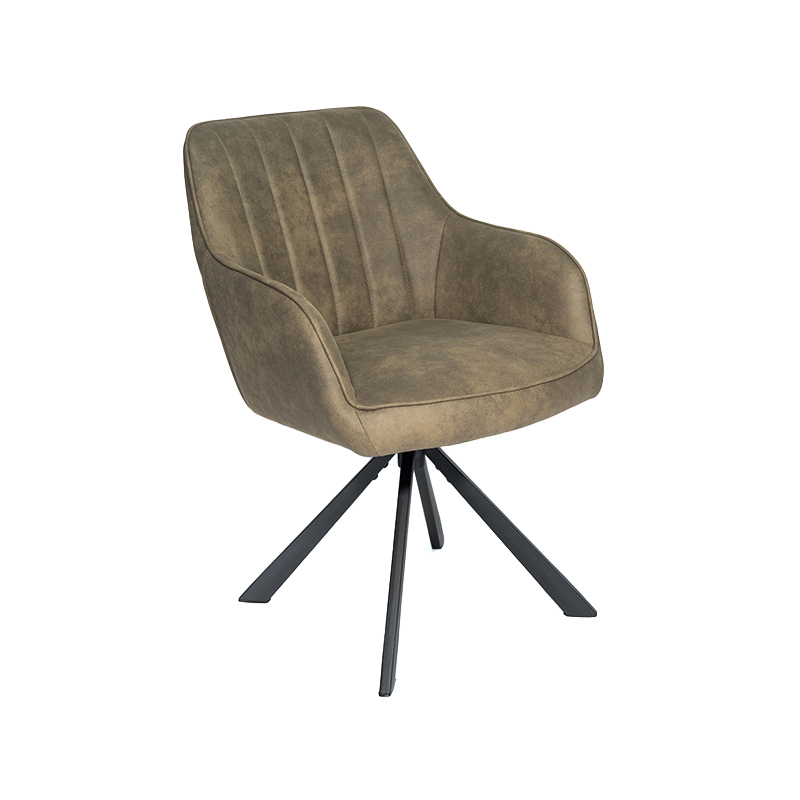
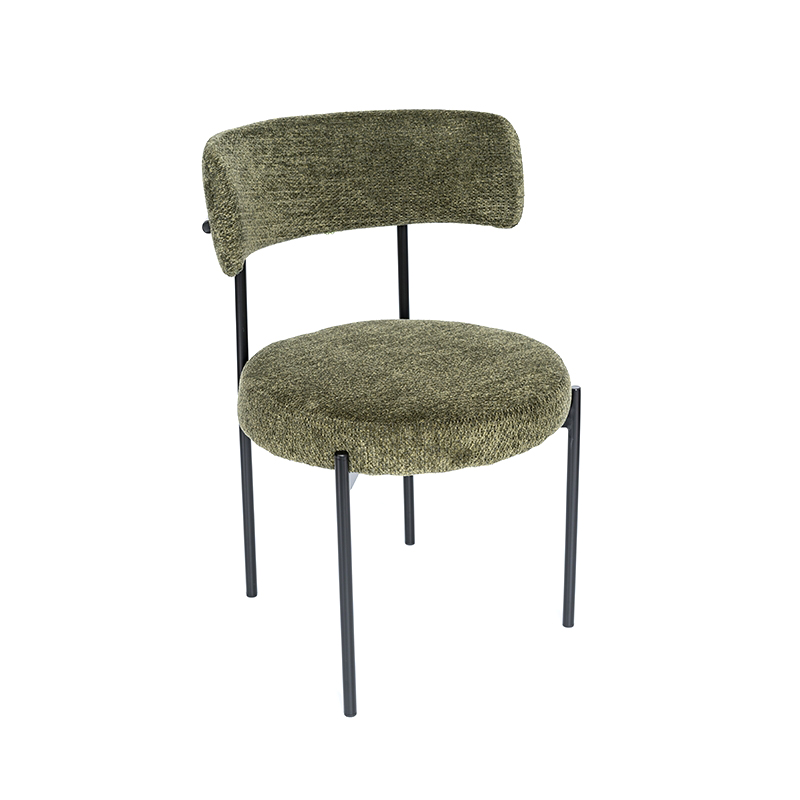
Most dining chair failures start at the frame, not the fabric. An iron frame fabric dining chair is built to fix that weak point first — a welded steel structure carries the load, while the fabric and cushion layer handles comfort, so neither has to compromise on the other's job.
A welded iron frame, usually powder-coated for corrosion resistance, carries the seated load and resists wobble far better than a lightweight tube frame under daily use.
High-density foam under a wear-rated fabric cover shapes to the body while holding its form across years of daily seating.
Together, this two-part design is why an iron frame fabric dining chair can match the comfort of an upholstered chair while matching the load capacity of a commercial metal chair.
Beyond raw specifications, the powder-coated iron frame resists scuffing and rust in daily use, while the lighter overall weight compared with solid wood construction makes rearranging a dining space or restaurant floor plan far easier.
| Component | Material | Purpose |
| Frame | Powder-coated iron | Load-bearing structure and corrosion resistance |
| Cushion fill | High-density foam | Long-term shape retention and comfort |
| Upholstery | Woven fabric | Wear-resistant, breathable seating surface |
| Hardware | Reinforced fasteners | Joint stability under repeated use |
Suits everyday dining rooms and kitchens where daily comfort matters more than formal styling.
Lightweight frame makes it practical for small, space-constrained living areas.
Handles daily turnover and moving without the wear issues of lighter chair types.
Consistent look and comfort across large quantities for guest dining areas.
Most welded iron frame chairs are rated for 150kg or more, well above typical residential and commercial seating requirements.
Wear-rated commercial fabrics are designed for daily use and cleaning, though high-traffic venues may prefer treated or stain-resistant fabric options.
Yes, manufacturers commonly offer a range of powder-coat frame finishes and fabric colors to match specific interior projects.
No, they are typically lighter than solid wood chairs of comparable size, since the frame uses thin-gauge welded tube rather than solid timber.

Products
Contact info.
No 1255, Xingye Road, Tianzihu Modern Industrial Park, Anji County, Zhejiang Province, China
+86-13587919519
sales@bftfurniture.com
