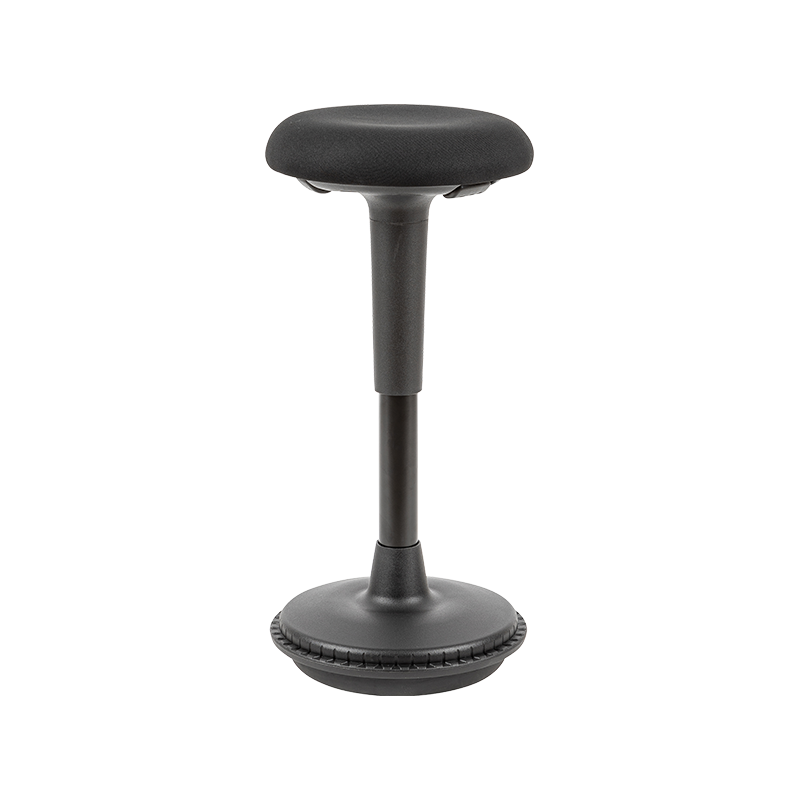
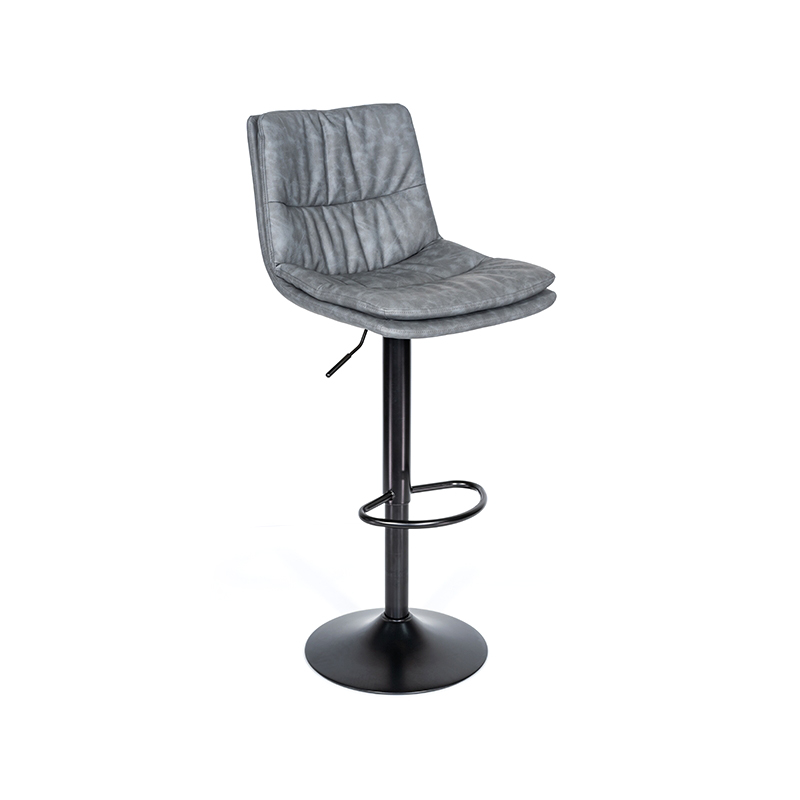
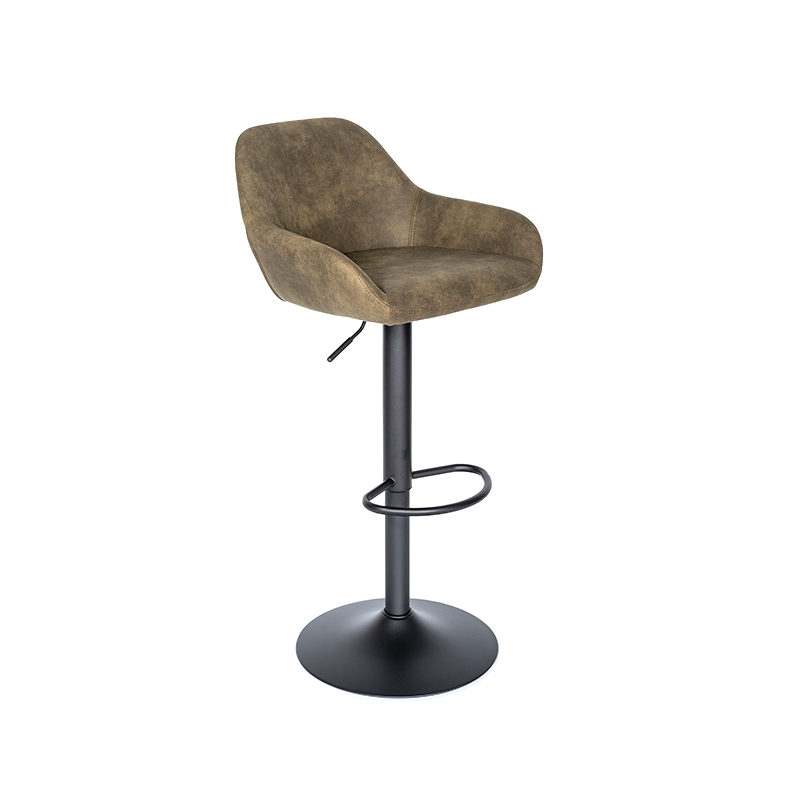
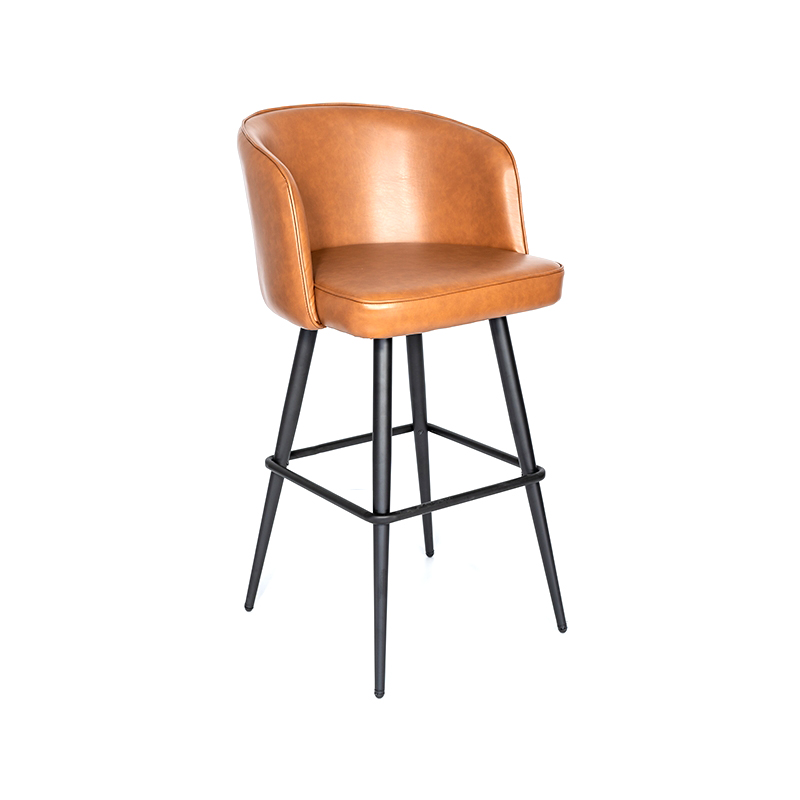
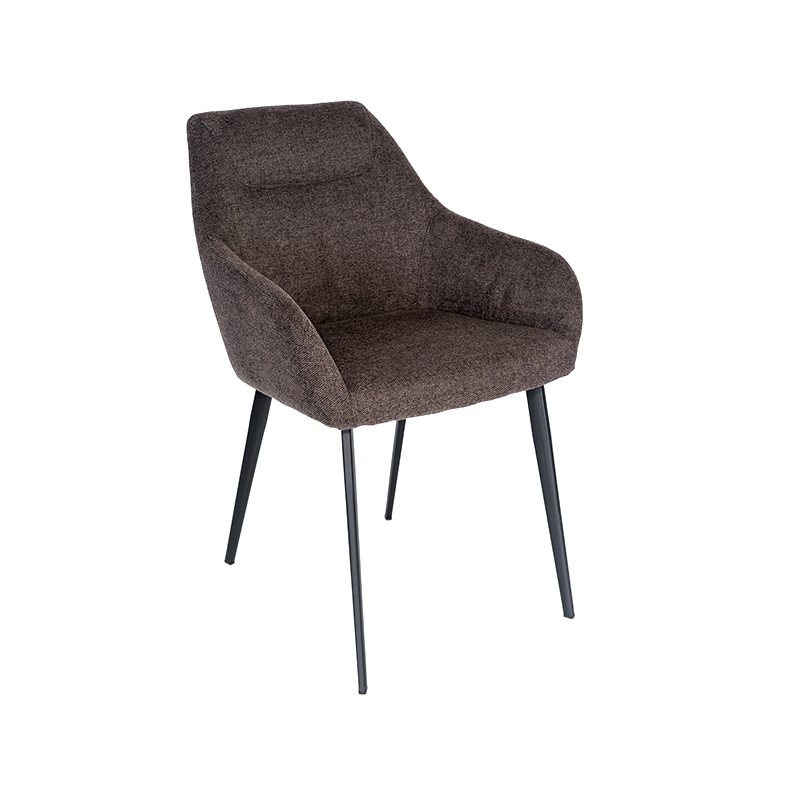
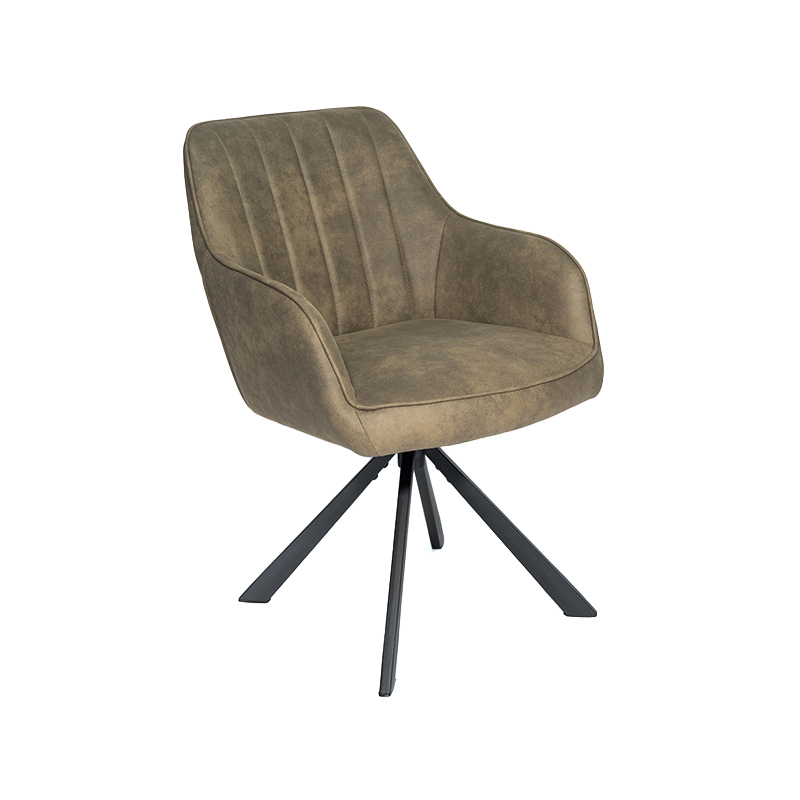
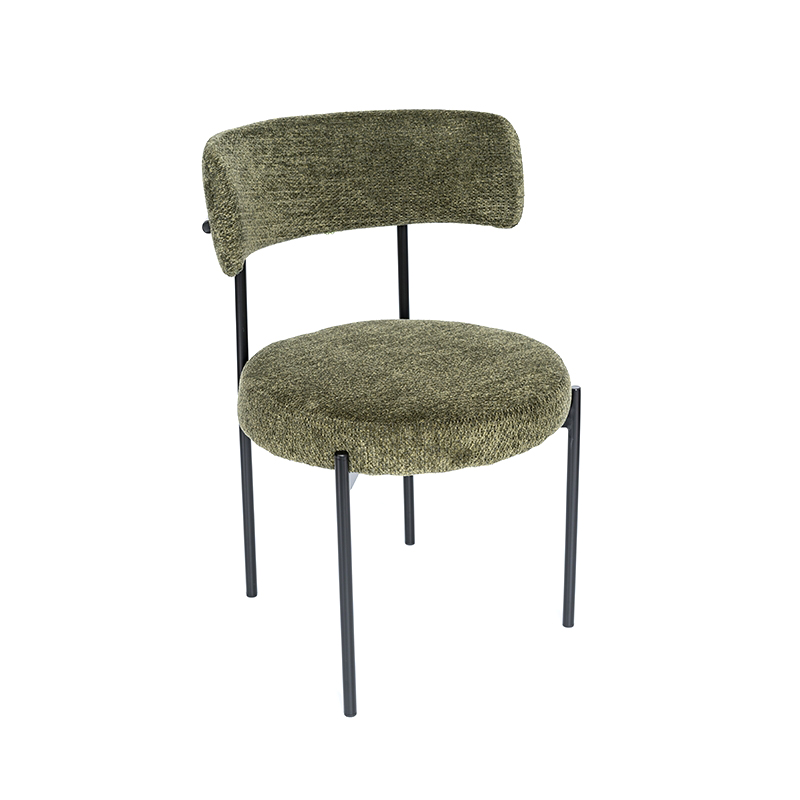
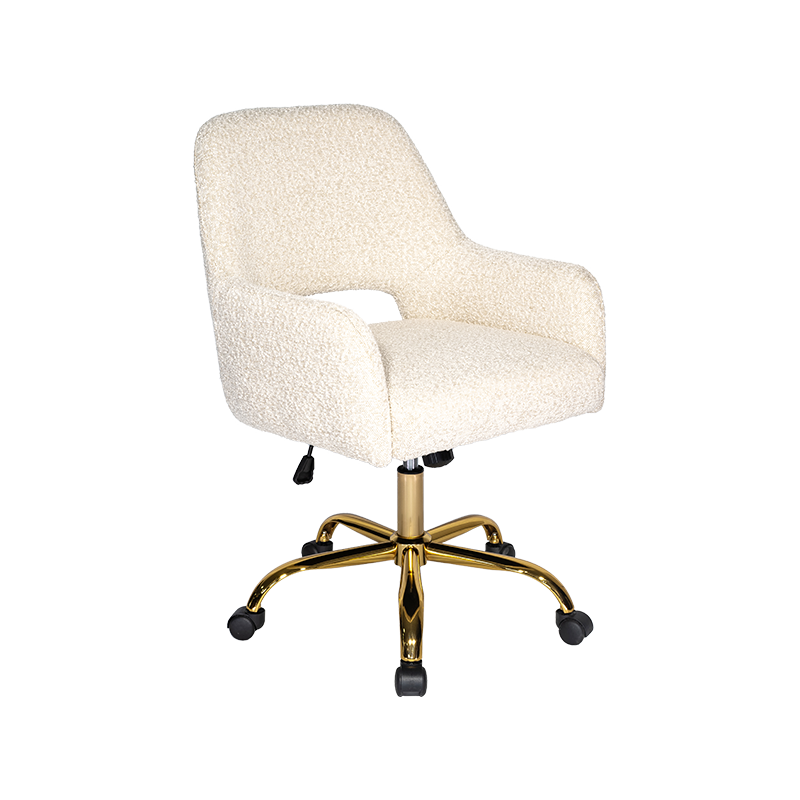
Bar stool chairs are one of the highest-wear pieces of furniture in any commercial or residential setting — selected for the wrong height, material, or construction, they fail within months. This guide covers the four decisions that determine whether a stool purchase lasts one season or a decade: restaurant suitability, metal durability, correct counter height, and commercial specification criteria.
28–30in Counter height
34–36in Bar height
10+yr Steel frame lifespan
250lb+ Commercial weight rating
Which Bar Stool Chairs Suit Restaurants?
Restaurant-grade bar stool chairs must satisfy four simultaneous demands that residential stools are never engineered to meet: repeated daily use by multiple users, ease of cleaning after spills, resistance to dragging and stacking damage, and a design that fits the venue's aesthetic without overpowering it.
The most specified restaurant stool types by category are listed below, along with their primary use case and key structural requirement:
| Stool Type |
Best Venue Match |
Key Spec Requirement |
Typical Seat Material |
| Backless metal stool |
Bar counters, casual dining |
Footrest gauge 16mm+ steel |
Solid wood or upholstered |
| Ladder-back stool |
Bistros, cafes, diners |
Welded back-to-seat junction |
Hardwood seat |
| Swivel stool with back |
Hotel bars, cocktail lounges |
360-degree bearing rated 100k cycles |
Upholstered with COM fabric |
| Stackable stool |
Event venues, multi-use spaces |
Stack cap 8–10 units without deformation |
Polypropylene or formed plywood |
| Adjustable-height stool |
Shared workspaces, food halls |
Gas cylinder rated 100,000 actuations |
Upholstered or moulded seat |
For restaurant procurement, require BIFMA X5.1 certification or equivalent EN 16139 Level 2 test compliance. These standards validate that the stool withstands a minimum 250 lb drop-load at 10,000 cycles — the threshold that separates commercial-grade from residential-grade product.
How Durable Are Metal Bar Stool Chairs?
Metal-frame bar stool chairs are the most durable category available to commercial buyers, with steel-framed units routinely achieving 10 to 15 years of active service in high-turnover venues. Durability, however, varies significantly by alloy, gauge, welding method, and finish — and marketing descriptions alone are not sufficient for specification.
Steel gauge determines load resistance. Commercial stools use 16–18 gauge steel tube (1.2–1.6mm wall thickness) for legs and 12–14 gauge (1.9–2.8mm) for footrests. Thinner 20-gauge steel (0.9mm), common in retail-priced stools, deforms under repeated lateral loading within 12–18 months of restaurant use.
Welding type defines joint longevity. MIG-welded joints on commercial stools penetrate 2–3mm into the base metal, creating a bond as strong as the surrounding steel. Spot-welded or brazed joints — found on lower-cost units — fail under cyclical stress within 2–3 years of daily use.
Powder coat finish outperforms wet paint. Electrostatically applied powder coat at 60–80 microns thickness resists chips, scratches, and cleaning chemicals far better than spray-applied enamel. Specify 60-micron minimum powder coat on all commercial metal stool purchases.
Aluminum vs steel: the trade-off. Aluminum frames weigh 40–50% less than steel equivalents and are naturally corrosion-resistant — the correct choice for outdoor terraces and coastal venues. For indoor use, steel's superior rigidity under lateral loading makes it the preferred structural material for commercial
bar stool chairs.
What Stool Height Works for Counters?
Stool height must be matched to the counter or surface height to provide the 10–12 inch clearance between seat top and underside of the surface that allows comfortable leg positioning. Using the wrong height creates postural fatigue that drives customers away from high-turnover venues.
17–20in
Standard Table Height
Surface: 28–30in
Dining chairs, not stools. Relevant for low kitchen islands.
Most Common
24–27in
Counter Height
Surface: 34–36in
Kitchen counters, counter-height dining tables, cafe bars.
28–33in
Bar Height
Surface: 40–42in
Restaurant bars, pub counters, standing-height work surfaces.
Adjustable-height bar stool chairs with gas lift mechanisms cover a seat height range of 24–33 inches and are the correct specification for any venue where the counter height is not fixed or where the stools serve multiple surface types. Fixed-height stools cost 20–35% less and are preferred for permanent installations with a single defined counter height.
How to Choose Commercial Bar Stool Chairs
Choosing commercial bar stool chairs requires matching five specification criteria to the operating environment. Making selections based on appearance alone — without verifying structural, ergonomic, and maintenance compatibility — accounts for the majority of premature furniture replacement in foodservice settings.
01
Weight capacity and certification
Specify a minimum 250 lb static load rating and require third-party certification (BIFMA X5.1 or EN 16139 Level 2). No amount of visual inspection substitutes for documented test data.
02
Seat material vs cleaning protocol
Upholstered seats require fabric rated minimum 50,000 double rubs (Martindale test) for commercial use. Vinyl and faux leather clean faster but crack under UV exposure in outdoor settings. Solid wood and polypropylene offer the lowest long-term maintenance cost.
03
Floor protection and footrest design
Rubber or nylon floor glides on all four legs prevent tile and hardwood damage, which is a significant hidden cost in commercial leases. Footrest height should sit at 8–10 inches above the floor for comfortable leg support at bar height.
04
Stackability and storage footprint
Venues that reconfigure for events need stools that stack a minimum of 6 units without nesting damage to frames or seat surfaces. Verify the manufacturer's stated stack count with a physical test sample before bulk ordering.
05
Parts availability and warranty
Commercial bar stool chairs should carry a minimum 2-year structural warranty with documented spare parts availability for gas cylinders, glides, and swivel mechanisms. A stool with no replacement parts ecosystem has an effective lifespan equal to the time until the first component failure.
Frequently Asked Questions
Can outdoor bar stools be used indoors?
Yes. Outdoor-rated bar stool chairs — typically aluminum-frame with all-weather wicker, teak, or UV-stabilized polypropylene seats — are fully suitable for indoor use and often preferred in humid environments such as kitchens or pool-adjacent bars. The reverse is not true: indoor steel stools with untreated welds will rust within one season of outdoor exposure.
What seat width is standard for commercial bar stools?
Standard commercial seat widths range from 14 to 18 inches. A 16-inch seat is the industry default for bar seating, providing adequate support for most adults while allowing stools to be spaced 26–28 inches on center — the minimum comfortable spacing for side-by-side seating at a bar counter.
How many bar stools fit at a kitchen island?
Allow 26–28 inches of counter width per stool for comfortable seating. A 96-inch (8-foot) island accommodates 3 stools at 28 inches each with 12 inches of clearance at each end. For stools with armrests, increase the per-seat allowance to 30–32 inches to prevent armrest-to-armrest conflict.
Are swivel bar stools less stable than fixed stools?
A properly engineered swivel mechanism on a commercial-grade stool does not reduce stability. The swivel bearing is located low in the pedestal column, keeping the center of gravity below the seat. Instability in swivel stools is caused by undersized bearings or inadequate base diameter — both signs of residential-grade, not commercial-grade, construction.

 English
 русский
 Español
 عربى
عربى