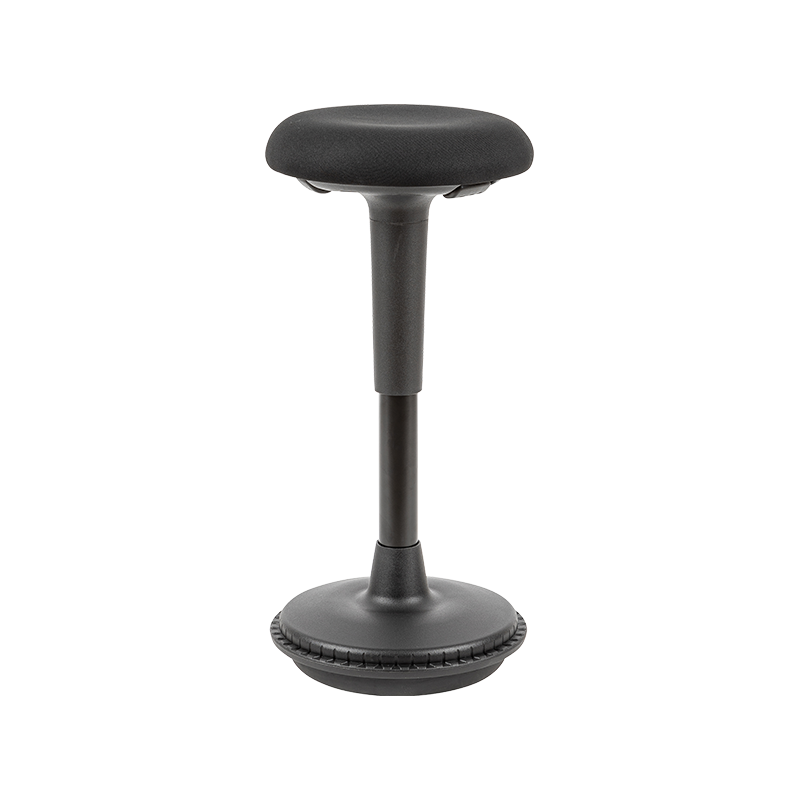
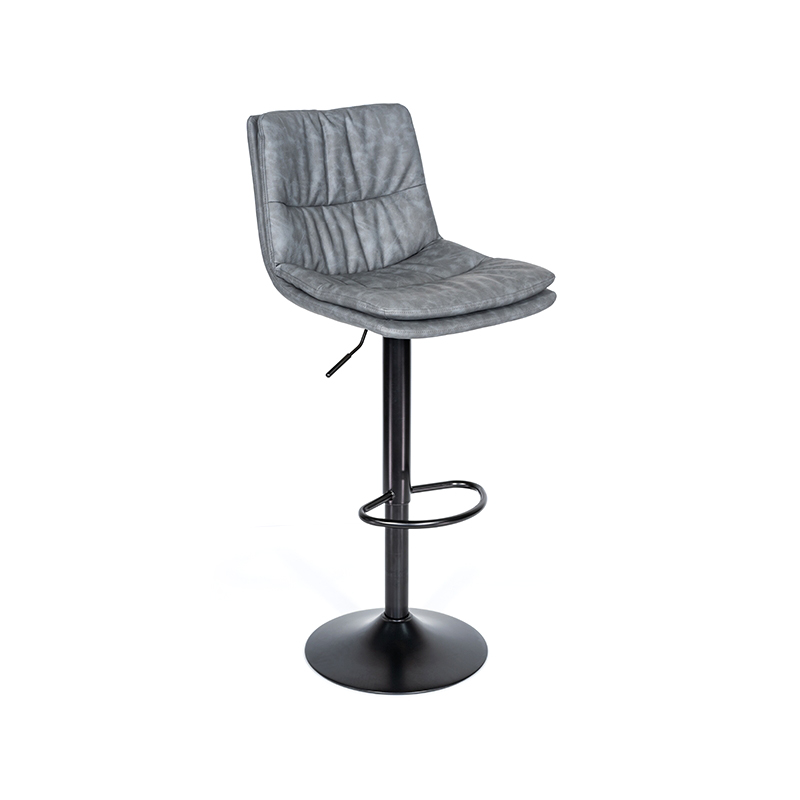
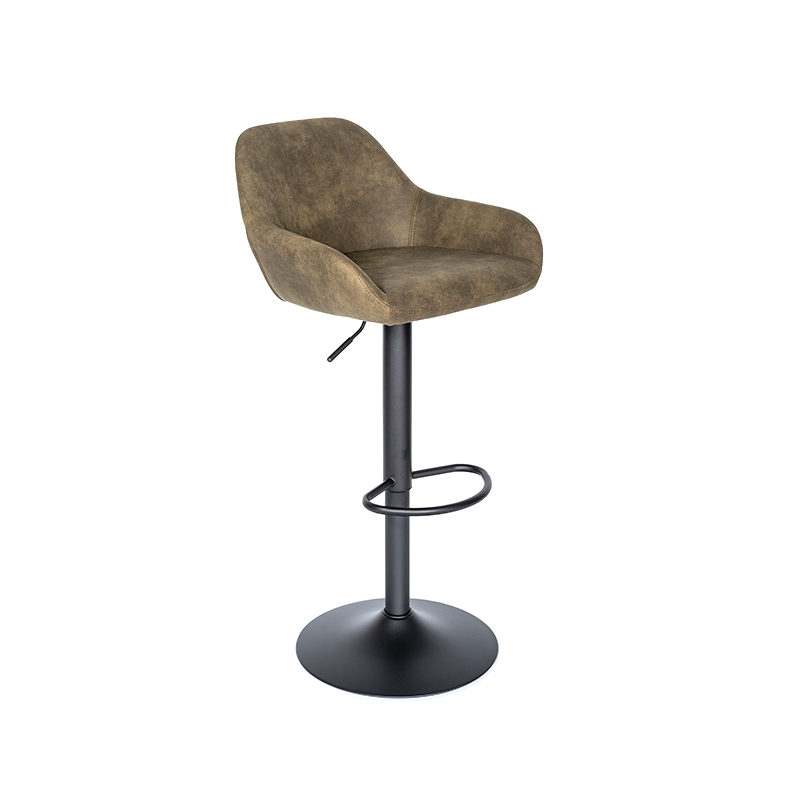
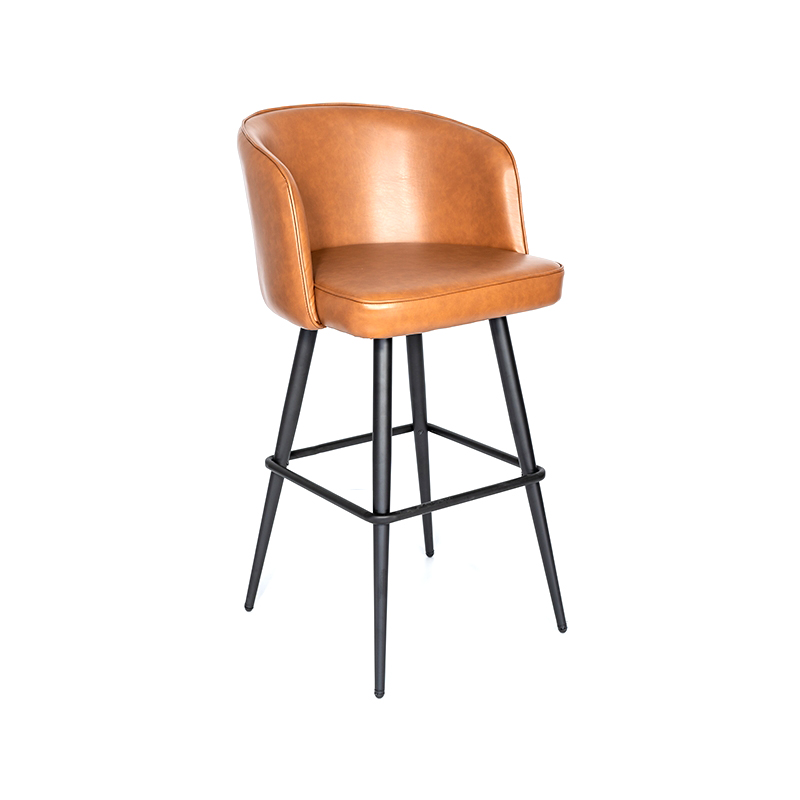
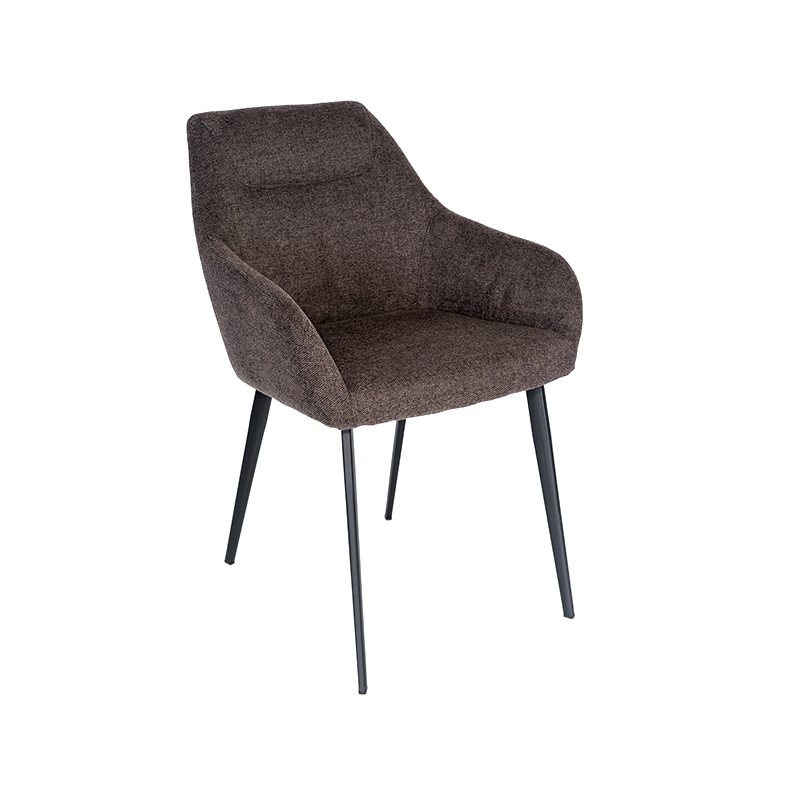
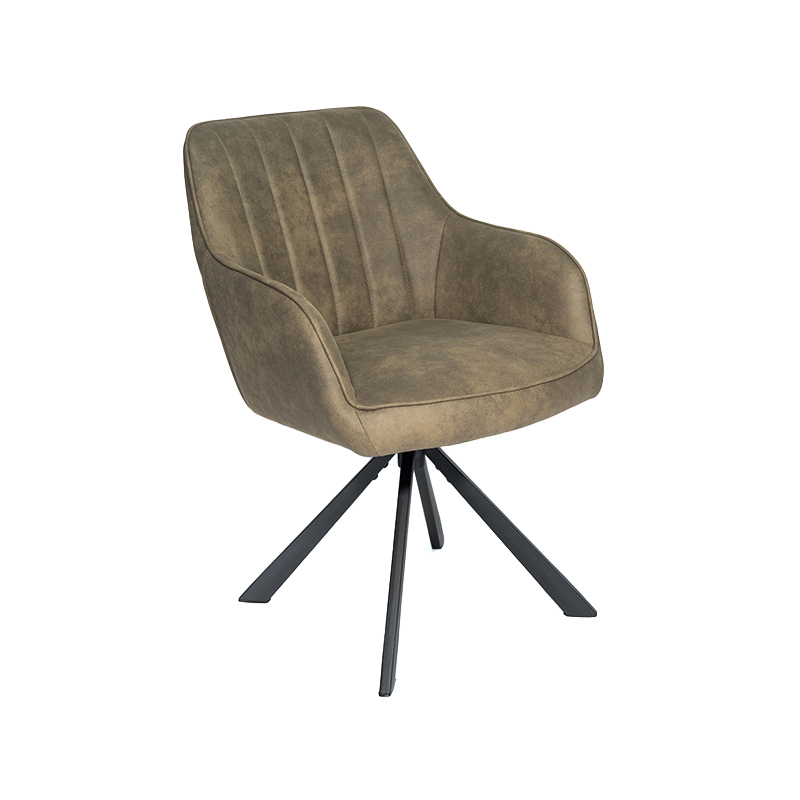
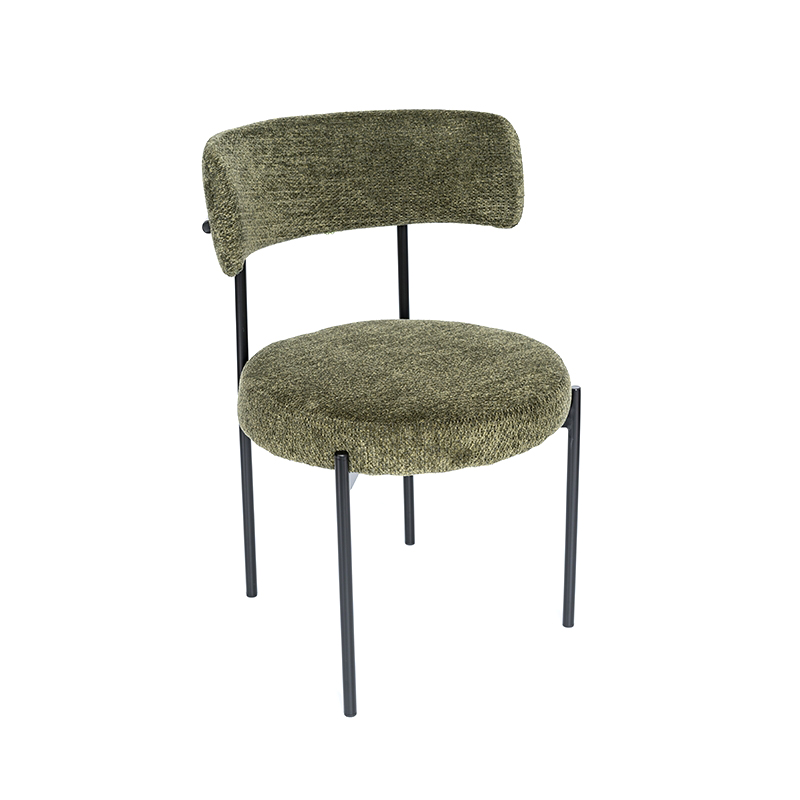
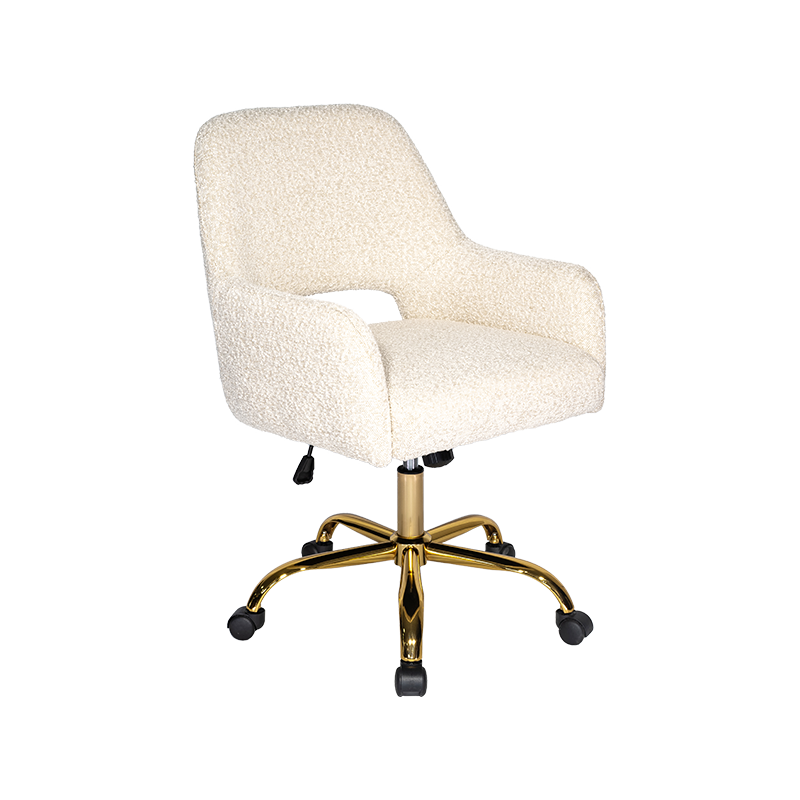
The grey 360 degree swivel armless bar chair has become one of the most versatile seating solutions for modern interiors. Whether placed at a kitchen island, home bar, or commercial counter, it combines ergonomic rotation, neutral color flexibility, and compact armless geometry — all in a single design that works across almost every room layout.
360° Rotation
Full swivel range for effortless access and conversation
Armless Profile
Slides under counters cleanly — saves up to 30% floor space
Grey Finish
Compatible with over 85% of contemporary kitchen palettes
Which Bar Stool Height Fits Your Counter
Counter height is the single most important measurement before buying a bar stool. The rule is consistent: leave 9 to 12 inches between the seat surface and the underside of the counter. Getting this wrong by even 2 inches creates discomfort within minutes of sitting.
| Counter Type |
Counter Height |
Ideal Seat Height |
Common Location |
| Standard Kitchen Counter |
36 inches |
24 – 26 inches |
Kitchen island, prep counter |
| Bar-Height Counter |
40 – 42 inches |
28 – 30 inches |
Home bar, pub table |
| Counter-Height Table |
34 – 36 inches |
24 – 26 inches |
Breakfast nook, bistro table |
| Commercial Bar Top |
42 – 44 inches |
30 – 32 inches |
Restaurant, cocktail bar |
Adjustable-height swivel bar chairs eliminate measurement anxiety entirely. Models with a gas-lift mechanism — standard on most quality 360-swivel designs — typically span a 10-inch height range, covering both kitchen counter and bar-height applications from a single purchase.
Pro Tip
Measure from the floor to the underside of your counter overhang, not the top surface. The overhang is where your knees actually sit — a 1.5-inch thick countertop can push you 2 inches closer to the underside than the top measurement suggests.
How Durable Are Swivel Bar Chairs
A well-constructed 360 degree swivel bar chair is built to last 8 to 15 years under regular residential use. Durability depends almost entirely on three components: the swivel mechanism, the base material, and the seat padding construction. Understanding each component prevents buying a chair that fails within two years.
Swivel Mechanism
Ball-bearing swivel rings rated for 250 to 350 lbs are the benchmark. Cheap nylon bushings wear within 18 months under daily use. Look for a steel bearing race with a minimum 3mm wall thickness — this single spec determines whether the chair wobbles at year 2 or year 12.
Base Construction
A 5-point star base distributes weight more evenly than a 4-point pedestal. Powder-coated steel holds up against moisture and floor contact far better than chrome-plated finishes, which chip and rust from the base tips inward within 3 to 5 years.
Seat Padding
High-resilience foam (HR35 density minimum) retains its shape after 50,000+ compression cycles — the equivalent of roughly 7 years of daily use. Lower-density foam compresses to a hard pancake within 12 to 18 months, defeating the comfort purpose of upholstered seating.
What Materials Are Easiest to Clean
Seat material determines long-term maintenance commitment more than any other feature. For bar and kitchen environments — where spills, grease, and food contact are routine — the material hierarchy below reflects real-world cleanability, not just aesthetic appeal.
- 1
PU (Faux Leather) — Wipes clean with a damp cloth in seconds. Resists oil and liquid absorption. Ideal for kitchen and bar environments. Avoid alcohol-based cleaners which degrade the coating over time.
- 2
Vinyl — Near-identical cleanability to PU with higher chemical resistance. Slightly stiffer feel. Preferred in commercial bar settings where bleach-based sanitizers are used routinely.
- 3
Velvet / Boucle Fabric — Requires a fabric cleaner and blotting technique. Traps crumbs and dust. Best reserved for home settings away from cooking areas; visually premium but high-maintenance.
- 4
Mesh — Breathable and lightweight; liquids pass through rather than pooling. However, food particles lodge in the weave and require a brush or vacuum attachment to remove properly.
Grey upholstery — regardless of material — has a practical advantage: it conceals surface dust, minor scuffs, and everyday wear far better than white or cream finishes, reducing the visual need for frequent deep cleaning by an estimated 40%.
How to Choose the Right Bar Stools
Choosing the right grey 360 degree swivel armless bar chair for your space comes down to five decisions made in order. Skipping the sequence leads to the most common buying mistake: choosing aesthetics first and discovering a height or space problem after delivery.
01
Measure Counter Height First
Confirm your counter or bar top height before browsing. A fixed-height stool that misses the 9-to-12-inch clearance rule makes every other feature irrelevant. If your home has multiple counter heights, choose an adjustable-height model.
02
Calculate Available Width Per Seat
Allow a minimum of 15 inches per stool for comfortable side-to-side movement. For an island that is 60 inches wide, four stools is the maximum — three is more comfortable. Armless designs recover 3 to 4 inches of that spacing versus chairs with arms.
03
Decide on Fixed vs Swivel
Swivel chairs cost 15 to 25% more than fixed-seat equivalents but return measurably better usability in open-plan kitchens and home bars where users frequently turn to interact with adjacent spaces. For narrow galley kitchens, fixed stools are the safer spatial choice.
04
Match the Visual Weight to the Room
Armless bar chairs with slim profiles maintain visual openness in smaller kitchens. A grey finish anchors the neutral palette without competing with cabinet colors, backsplash tile, or pendant lighting. Avoid overly ornate or high-contrast finishes in rooms under 150 square feet.
05
Check Weight Capacity and Warranty
Residential bar stools should carry a minimum 250 lb rating; commercial-use chairs should meet 300 lb or above. A manufacturer warranty of at least 1 year on the swivel mechanism is a credibility signal — chairs without a stated warranty rarely meet that benchmark internally.
Bottom Line
The grey 360 degree swivel armless bar chair is the most layout-flexible stool category available — combining full rotation, under-counter tuck, neutral color, and kitchen-grade cleanability. Measure first, verify swivel quality second, and the rest follows naturally.

 English
 русский
 Español
 عربى
عربى