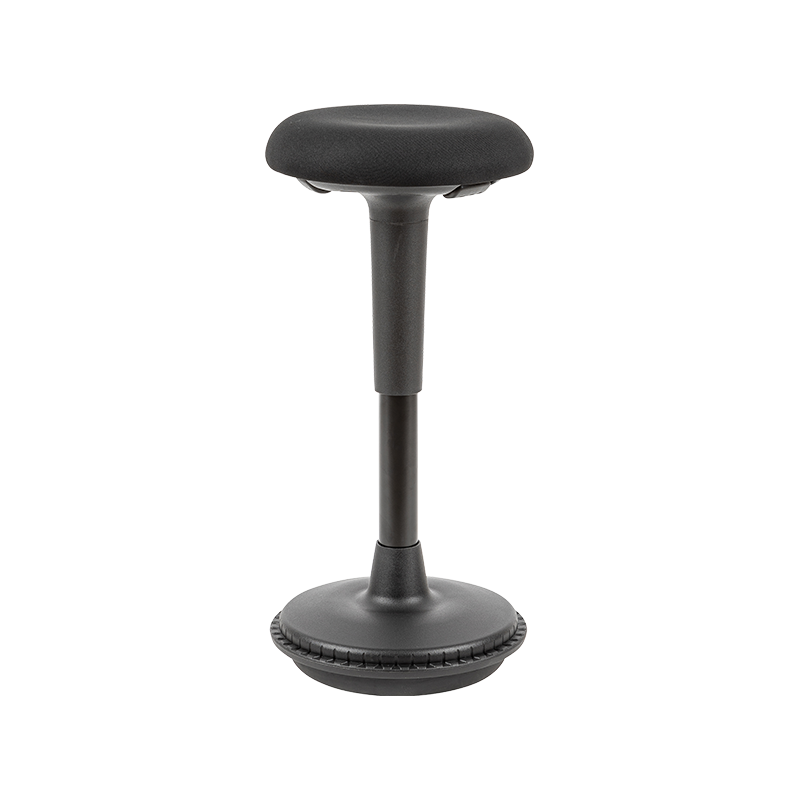
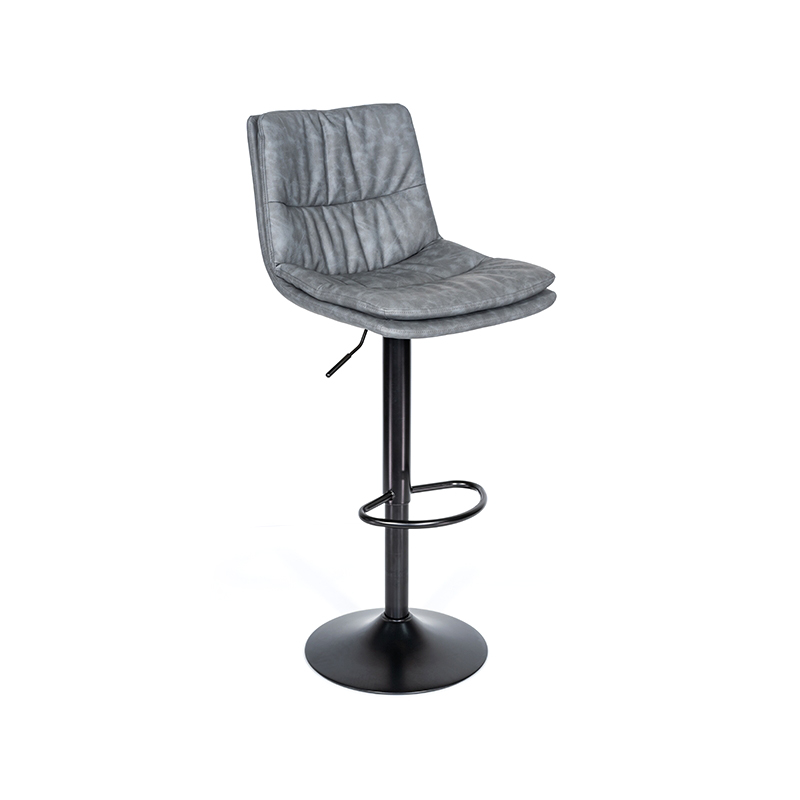
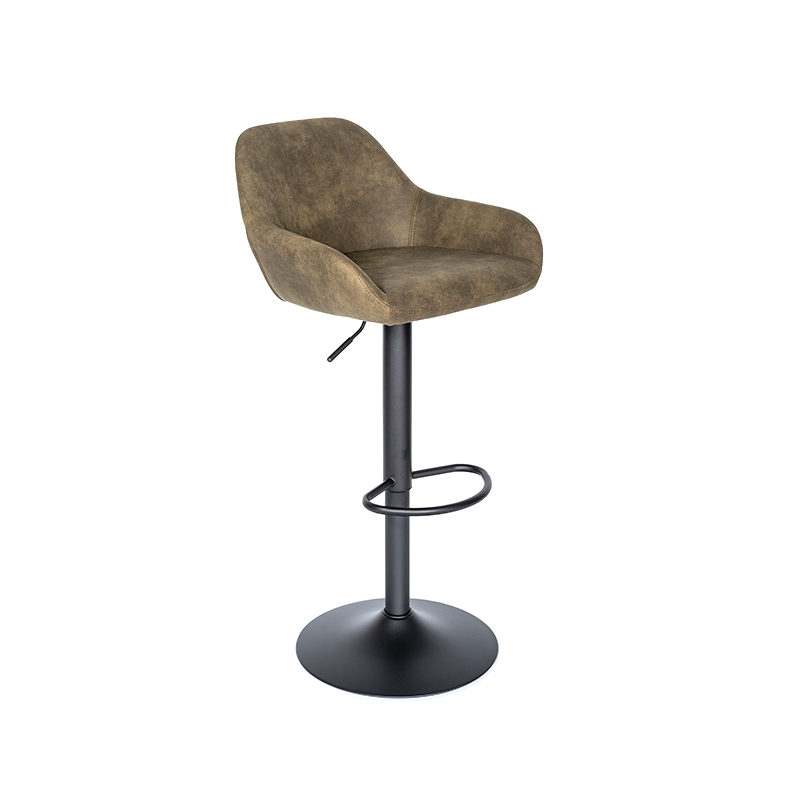
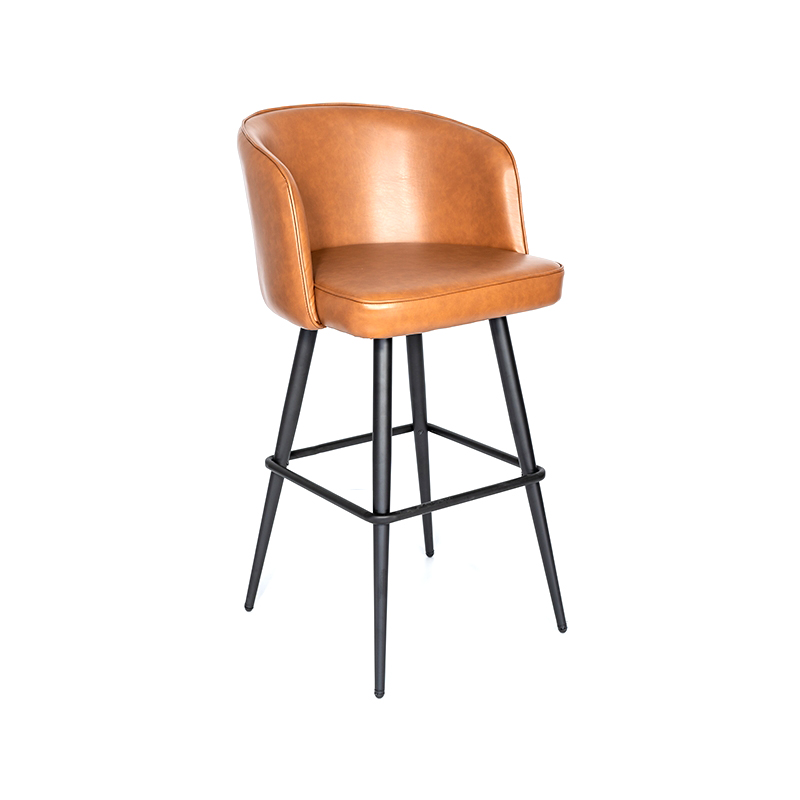
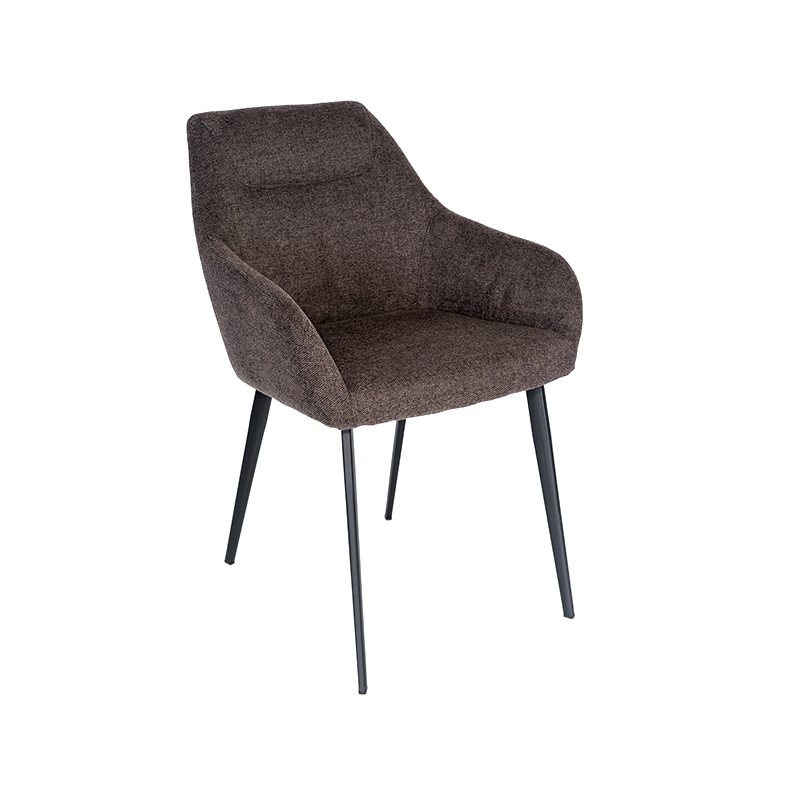
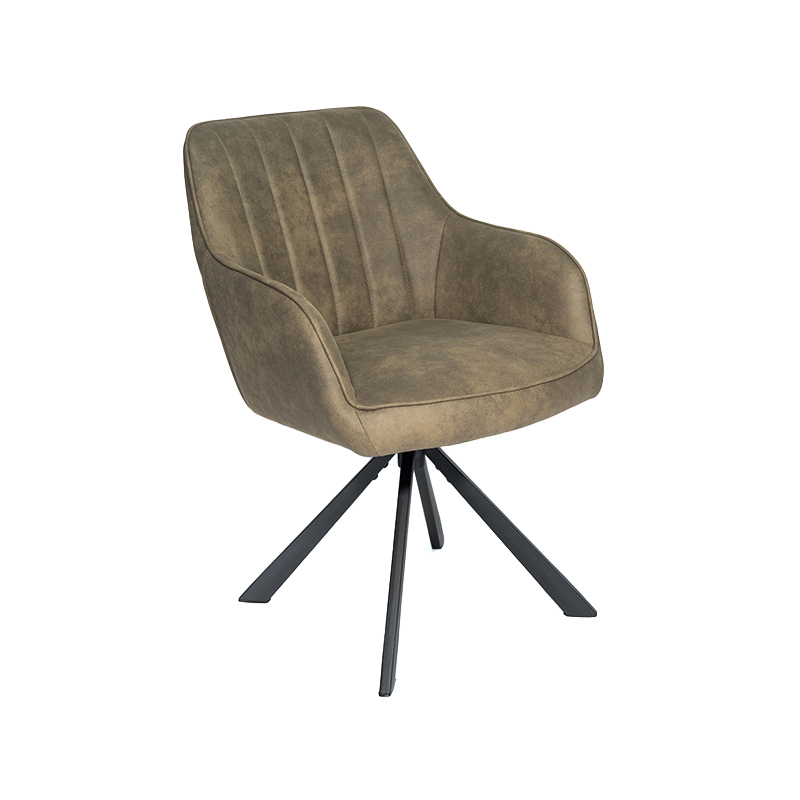
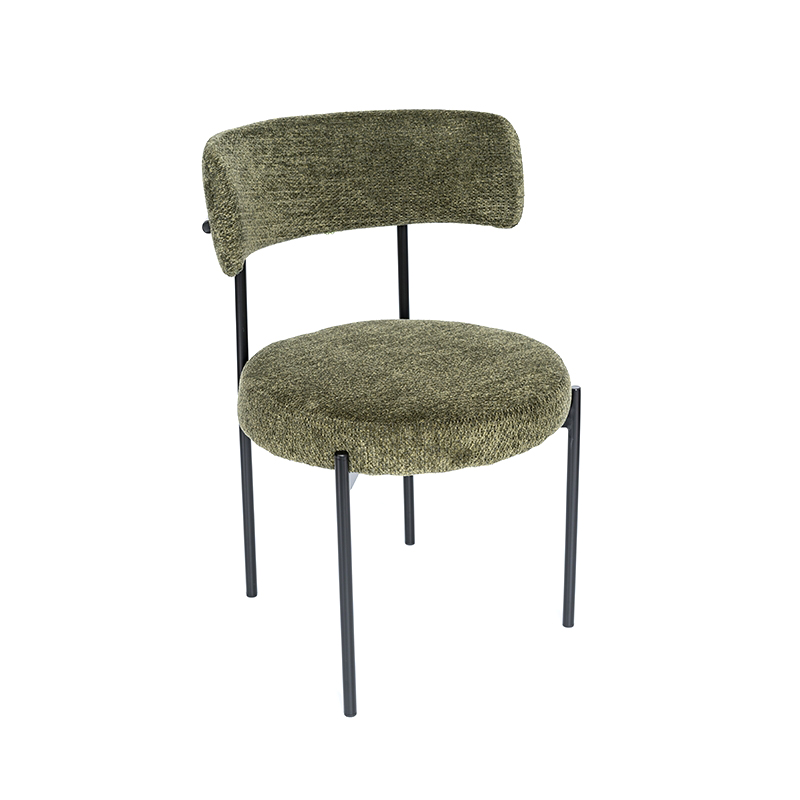
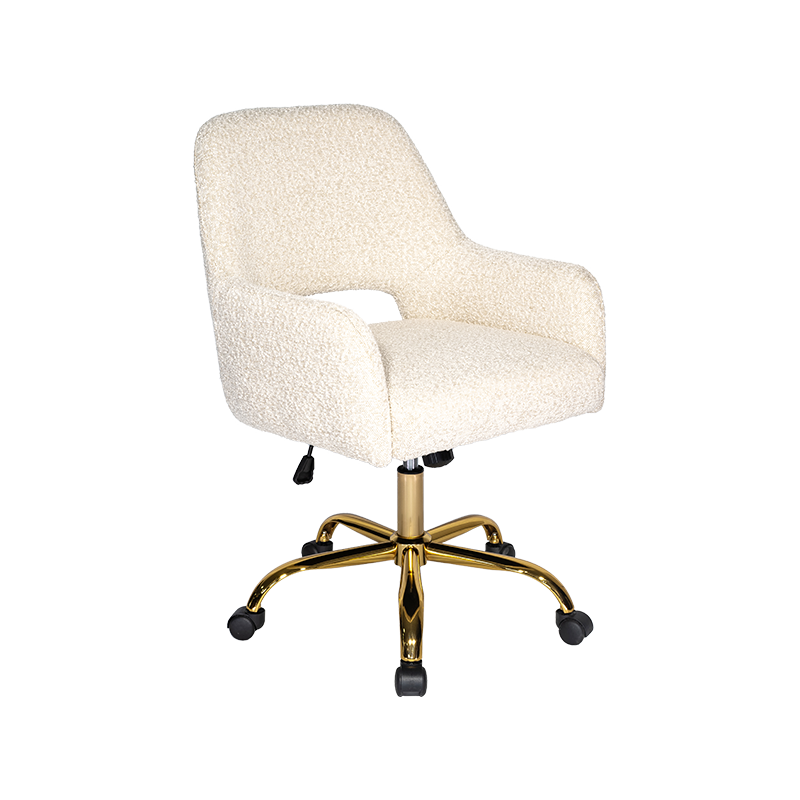
Choosing the right height adjustable fabric bar stool with backrest transforms how a kitchen island, home bar, or commercial counter actually functions. Available in neutral grey, clean white, and warm brown, these stools combine pneumatic height flexibility with upholstered comfort — making them a practical upgrade over fixed-height or backless alternatives.
Grey Industrial, versatile, hides everyday wear
White Bright, modern, pairs with minimalist kitchens
Brown Warm, classic, suits timber and stone surfaces
How to Choose a Height Adjustable Fabric Bar Stool for Kitchen Island Use
Kitchen island stools must match both counter height and the physical proportions of the people using them daily. A pneumatic gas lift mechanism — standard on quality adjustable stools — typically spans a 10–12 inch range, allowing the same stool to work at standard counter height (36 inches) and bar height (42 inches) without tools or reassembly.
Three measurement rules determine the right fit:
- Seat-to-counter gap: 10–12 inches of clearance between the seat surface and the underside of the counter is the ergonomic standard for comfortable leg positioning.
- Footrest height: A stool with a ring footrest at 8–10 inches from the floor prevents leg fatigue during extended sitting — critical for kitchen islands used during meal prep.
- Backrest height: Mid-back rests (14–18 inches tall) support the lumbar region without obstructing movement when standing up from the stool.
Pro Specification
For kitchen islands with a 36-inch counter, choose a stool with an adjustable range of 24–30 inches seat height. For 42-inch bar counters, select 28–34 inches. Overlap in ranges ensures the same stool serves both surfaces.
Comfort of Fabric Bar Stools with Backrest for Long Sitting
Fabric upholstery outperforms hard materials for extended seating because it compresses slightly under load, distributing pressure more evenly across the seat pan. Studies in ergonomic seating research show that padded seats with 2–3 inches of high-density foam reduce peak pressure at the ischial tuberosities (sit bones) by up to 40% compared to rigid seats — a meaningful difference during 45+ minute sessions at a kitchen counter.
The backrest on an adjustable stool performs two ergonomic functions: it prevents the constant micro-muscular effort of holding the spine upright, and it gives the body a reference point that reduces forward lean over time. Grey, white, and brown fabric options typically use polyester or linen-blend weaves that offer both initial softness and long-term resilience — polyester-blend fabrics retain their loft for 5–8 years of regular use under normal domestic conditions.
- Lumbar support reduces fatigue in 30+ minute sessions
- Encourages upright posture during meals and work
- Safer for children and elderly users at height
- Better suited for workstations and home offices
- More compact footprint, easier to tuck under counter
- Engages core muscles — preferred by some users
- Simpler cleaning profile around the stool
- Lower profile aesthetic for open-plan spaces
Weight Capacity of Height Adjustable Fabric Bar Stools
Weight capacity varies significantly by construction grade. The gas lift cylinder, base diameter, and frame material are the three structural components that determine the safe working load.
| Stool Grade |
Typical Weight Capacity |
Base Construction |
Best Use |
| Residential Light |
220–250 lbs (100–113 kg) |
5-star chrome, 45–48cm diameter |
Home kitchen, occasional use |
| Residential Standard |
265–300 lbs (120–136 kg) |
5-star heavy chrome, 50cm diameter |
Daily home use, family kitchens |
| Commercial Grade |
330–440 lbs (150–200 kg) |
Reinforced steel base, 52–55cm diameter |
Cafes, restaurants, bars |
| Heavy Duty |
440+ lbs (200+ kg) |
Cast iron or welded steel base |
High-traffic commercial venues |
For commercial environments, always verify that the gas lift cylinder is rated to BIFMA X5.1 or EN 1335 standards — both require the mechanism to withstand 100,000 actuation cycles without pressure loss.
How Durable Is Fabric Upholstery on Adjustable Bar Stools
Durability of fabric upholstery is measured in Martindale rub cycles — the industry standard for abrasion resistance. Domestic-grade fabrics on bar stools typically rate between 15,000 and 25,000 rubs; commercial-grade upholstery starts at 30,000 rubs and extends to 100,000+ for heavy-use environments.
Light Home Use
15,000 rubs
Standard Residential
25,000 rubs
Entry Commercial
50,000 rubs
Heavy Commercial
100,000+ rubs
Grey polyester-blend fabrics consistently outperform white and light brown in visible wear resistance — darker weaves mask surface pilling and minor staining that would be visible on lighter colorways. For households with children or pets, a fabric treated with stain-repellent finish (such as Scotchgard or equivalent) extends the clean appearance of white and brown stools significantly.
Using Adjustable Fabric Bar Stools in Restaurants and Cafes
Height adjustable fabric bar stools are viable in commercial hospitality when specified correctly. The key selection criteria for restaurant and cafe use differ from residential in three areas: cycle life of the gas lift, upholstery cleanability, and base stability under repeated lateral load.
- Gas lift longevity: Commercial-rated cylinders from manufacturers such as Suspa or Stabilus are rated for 100,000+ adjustment cycles — essential in environments where stools are repositioned multiple times per service.
- Upholstery specification: Specify contract-grade fabric or moisture-barrier backing in cafe and bar environments. Brown and charcoal grey tones are preferred in commercial settings for their ability to conceal the gradual patina of heavy use.
- Base footprint: A 52cm five-star base provides the stability required when customers shift weight laterally — smaller residential bases flex under this repeated loading pattern within 6–12 months of commercial use.
Fabric vs Leather Bar Stools: Comfort and Maintenance Compared
The fabric versus leather decision affects daily comfort, cleaning workload, and long-term appearance in measurable ways. Neither material is objectively superior — the right choice depends on how the stool will actually be used.
- Breathable — doesn't trap body heat in warm kitchens
- Softer initial contact, comfortable from the first use
- Wider color and texture range for interior matching
- More affordable at equivalent foam density
- Requires more frequent spot cleaning for spills
- Vulnerable to grease and oil staining near cooking zones
- Wipes clean in seconds — ideal near stovetops
- Resists liquid penetration on contact
- Develops a patina over years of use
- Can feel cold and sticky in temperature extremes
- Higher cost for genuine leather grades
- Cracks at seams after 3–5 years without conditioning
Ready to spec the right stool?
Browse the full range of height adjustable bar stools — filter by color, weight capacity, and seat height range to match your counter and space exactly.
Shop Now

 English
 русский
 Español
 عربى
عربى