
 English
 русский
 Español
 عربى
No 1255, Xingye Road, Tianzihu Modern Industrial Park, Anji County, Zhejiang Province, China
Content
A global buyer starting an OEM or ODM chair program is making a commitment that goes far beyond a purchase order. You are choosing a factory that will represent your brand in the market: its production precision becomes your quality reputation, its design judgment becomes your product differentiation, and its delivery discipline becomes your supply chain reliability. This is why conversations about custom furniture chairs should begin not with prices or minimum orders, but with how a manufacturer actually runs its OEM and ODM process.
Beifeite Furniture, based in Anji, Zhejiang — China's chair industry town — operates across both models. The company's 60,000-square-meter factory, more than seven years of production experience, and product range spanning dining chairs, office chairs, bar stools, accent chairs, rocking chairs, and wobble stools make it a representative example of what a full-service chair manufacturer can offer. For global buyers evaluating a similar partnership, understanding how this factory supports OEM and ODM work provides a useful frame of reference.
OEM and ODM are two different agreements about design responsibility.
With OEM, the buyer owns the design and outsources production. The factory follows your drawings, your material specifications, and your quality criteria. The advantage is control; the risk is that a factory without strong engineering experience may not catch design flaws or may struggle to translate a reference sample into a manufacturable product.
With ODM, the factory owns the design and offers it to the buyer for selection and modification. You choose a base model, request changes to materials, color, dimension, or function, and sell the result under your brand. The advantage is speed and lower development cost; the risk is manageable if the factory gives honest technical feedback about what can and cannot be changed.
| Aspect | OEM | ODM |
|---|---|---|
| Who owns the design | Buyer | Factory |
| Buyer's main task | Specify and approve | Select and modify |
| Typical products | Brand-specific designs | Catalog models with brand-level changes |
| Development time | Depends on spec completeness | Faster due to existing tooling |
| Key factory strength | Precision manufacturing | Design and engineering capability |
Most furniture buyers use both models at different times. A bar stool program might begin as an ODM selection — picking a proven swivel model and changing the upholstery — while a dining chair program might be OEM because the buyer has a proprietary design that needs exclusive production.
Beifeite supports both paths. Its factory manufactures across the full chair category, which means an ODM buyer can draw from an existing portfolio, while an OEM buyer can hand over technical drawings and expect production-grade feedback on materials, tolerances, and finishing.
For an OEM chair project to work, the factory must handle specifications without ambiguity. This starts with the frame.
The steel tube frame is the structural backbone of most dining chairs, bar stools, and accent chairs. The gauge of the tube, the quality of the welds, and the finishing process determine how the chair holds up under daily use. A factory that produces its own frames in-house controls these variables more closely. The buyer should request the exact frame specification in writing: tube diameter, wall thickness, weld standard, and coating type.
Upholstery is the second major control point. Fabric type, foam density, and stitching pattern all influence how a chair looks after six months or six years of use. Buyers targeting commercial markets should also confirm whether the upholstery meets relevant resistance standards for abrasion, staining, and color fastness. A one-line description like "fabric chair" is not enough; the factory should specify fabric weight, rub count, and cleaning requirements.
Before bulk production, the factory should produce a pre-production sample that the buyer approves against the original specification. This sample is the contract for everything that follows. Once approved, the same materials, methods, and measurements apply to every unit in the shipment.
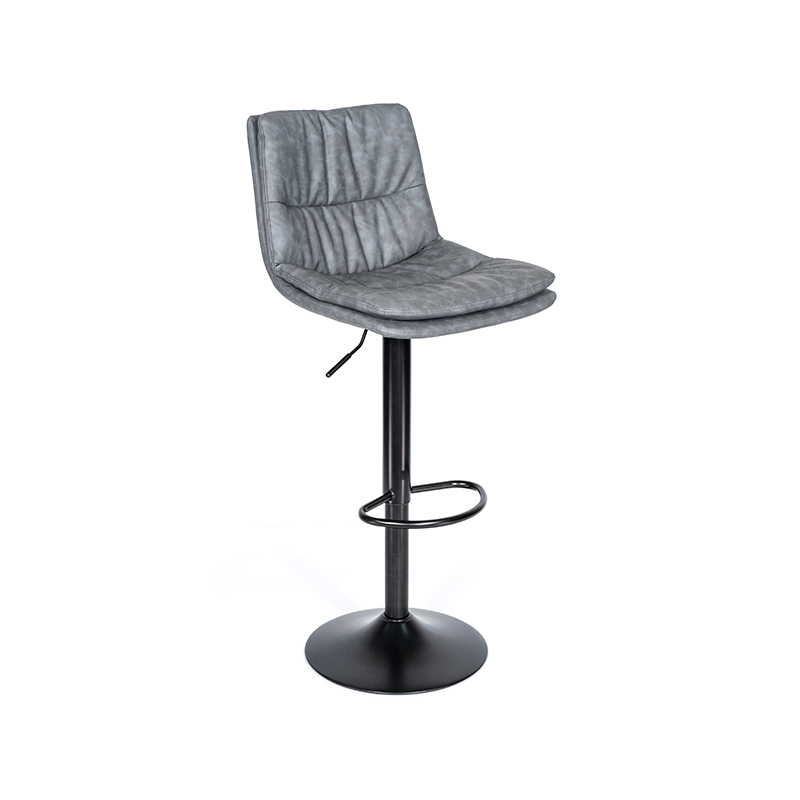
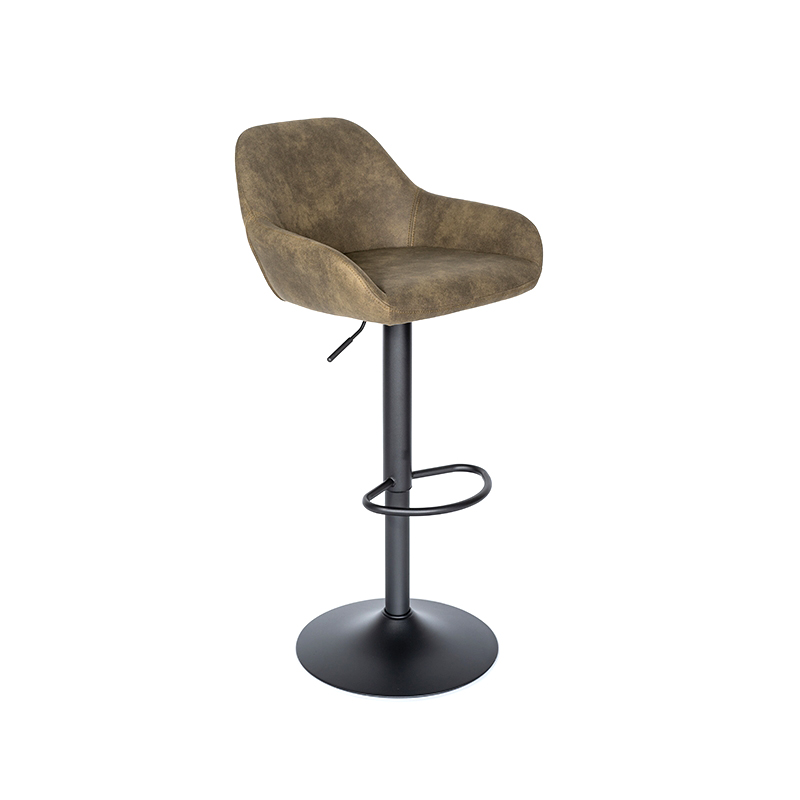
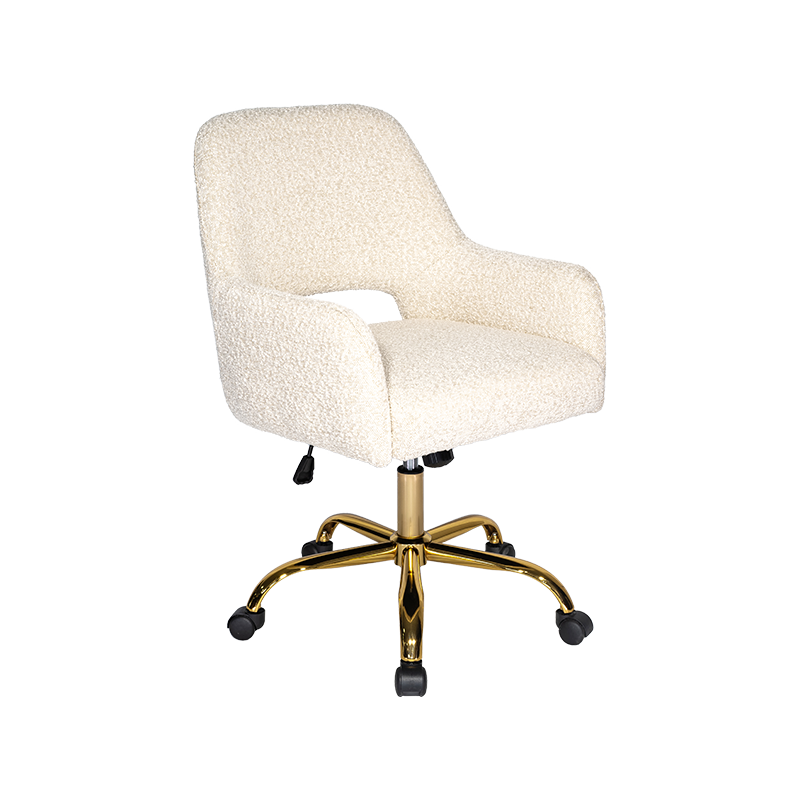
 Grey/White/Brown Height-Adjustable Fabric Bar Stool with BackrestThis stool's adjustable height and padded backrest make it a typical item for verifying written specifications like lift range and weight capacity before approving the pre-production sample.View Product →
A practical example: a buyer ordering a height-adjustable bar stool for a commercial kitchen needs to confirm the pneumatic lift mechanism, the weight capacity, and the adjustment range in writing. Small deviations in any of these specifications create problems downstream.
ODM projects replace the blank-page problem with a selection problem. Instead of designing a chair from zero, the buyer reviews what the factory already builds and asks: which model is closest to what my market needs, and what changes will close the gap?
This is where a factory with a broad portfolio has an advantage. Beifeite's product line includes 360-degree swivel dining chairs, classic and modern office chairs, PU and fabric bar stools with adjustable height, accent chairs with ottomans, rocking chairs, and wobble stools. An ODM buyer entering the European dining market might choose the swivel dining chair with a steel frame as the base, then request a different fabric color, a higher back, or a specific leg finish.
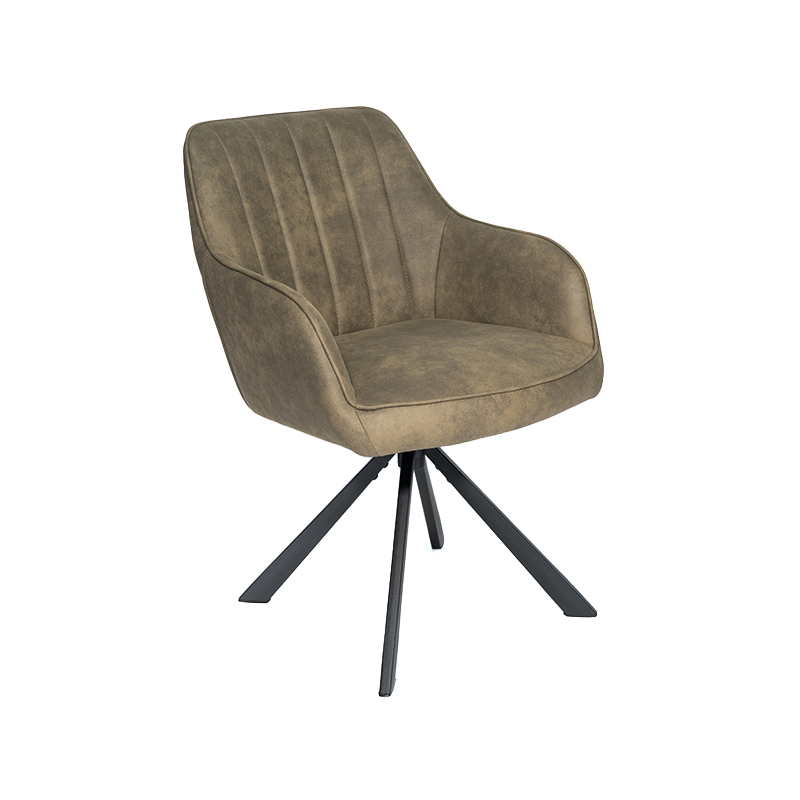
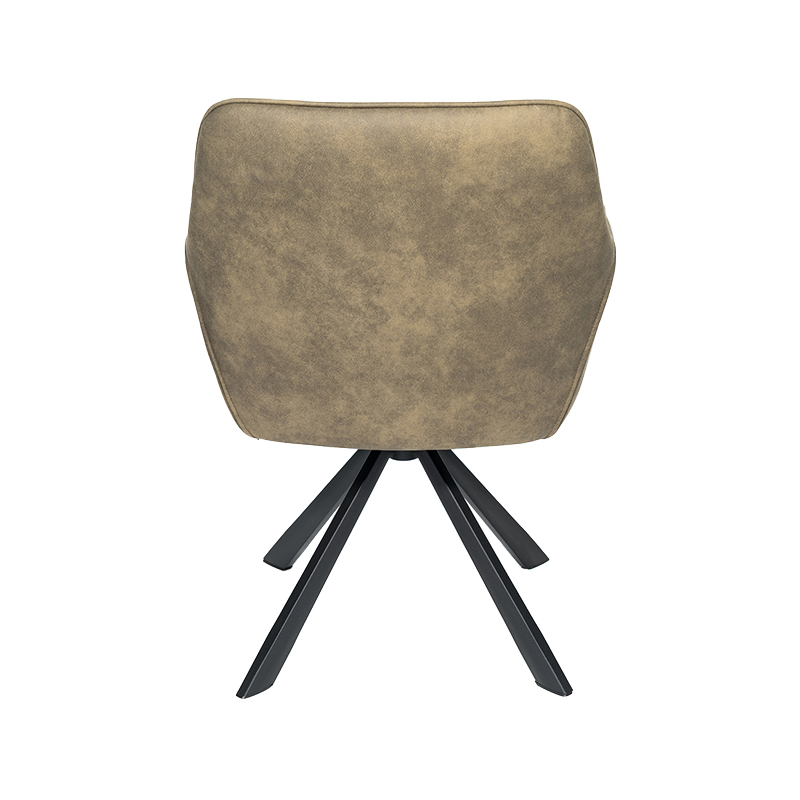 360° Swivel Classic Suede Fabric Dining ChairThis swivel dining chair with suede upholstery serves as a versatile base for ODM customization, allowing buyers to adjust fabric color, back height, or leg finish while retaining its sturdy steel frame.View Product →
The factory's design and engineering team evaluates each requested change for feasibility and cost impact. Some changes are cosmetic and inexpensive; others require structural reinforcement or new tooling. A reliable ODM partner gives you honest answers about trade-offs before you commit, not after production starts.
Understanding a factory's physical capacity matters more in OEM and ODM projects than in standard retail buying, because your order is not a one-time purchase. You are building a supply chain.
Beifeite's Anji factory covers 60,000 square meters and houses equipment for metal cutting, welding, finishing, upholstery, and assembly. The company manufactures across six chair categories plus tables, which spreads production knowledge across different seating types and gives buyers more options for mixing orders.
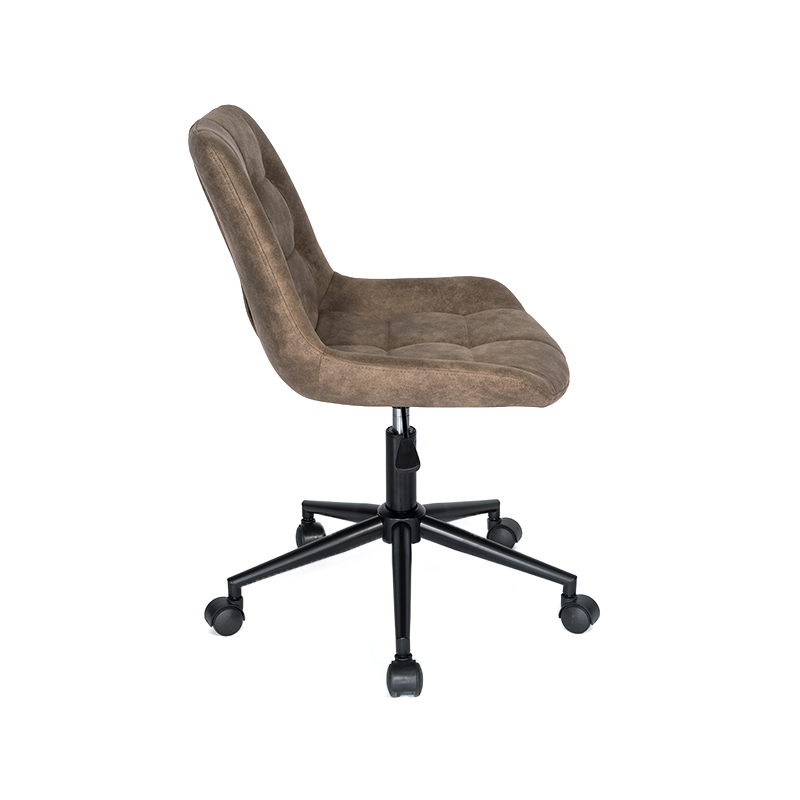 Brown 360° Swivel Height-Adjustable Task ChairThis chair combines 360-degree rotation and height lift for shared workspaces. Its production benefits from Anji's local supply chain, making it a practical option for OEM or ODM projects needing reliable sourcing.View Product →
Anji's status as a furniture industry cluster adds another layer of reliability. The local supply chain includes steel tube suppliers, fabric mills, foam producers, and hardware manufacturers. For an OEM or ODM project, this means shorter material lead times and the ability to source alternatives when a specified material has supply issues.
Buyers who want more detail on production capabilities can review the manufacturing overview to understand the equipment and processes used at the Anji facility.
Once you have identified a potential factory, verify five areas before signing a production agreement.
Understanding how a factory handles custom design and development gives you another way to test its readiness for your project. The more specific the factory's responses, the more predictable your production will be.
The factories that support OEM and ODM projects best treat both models as a core discipline rather than a side service. OEM needs precision, repeatability, and honest engineering input; ODM needs a broad product base, design flexibility, and realistic cost advice. A manufacturer with dedicated production space, a diverse chair portfolio, and integrated development capabilities gives global buyers a shorter path from concept to market. When the factory gets the fundamentals right, your chair program gets the reliability it needs.

Products
Contact info.
No 1255, Xingye Road, Tianzihu Modern Industrial Park, Anji County, Zhejiang Province, China
+86-13587919519
sales@bftfurniture.com
